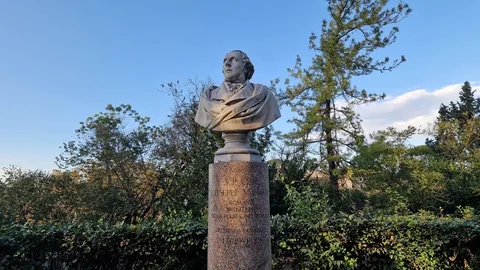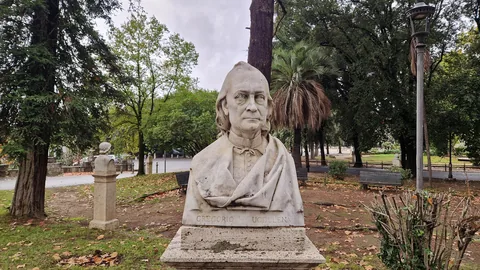
Pincio gardens
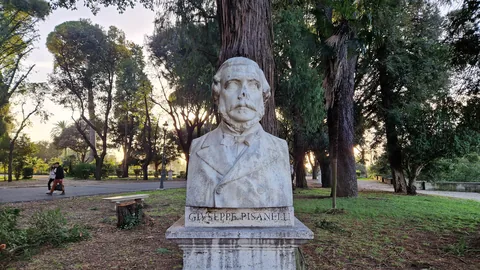
Giuseppe Pisanelli
Pisanelli helped turn political unification into shared civil law, including the codes prepared for the new Kingdom of Italy.
Find on the mapThe Pincio busts commemorate people from different eras: poets, artists, scientists, and political figures. Browse their photographs, read their stories, and use the map to find a portrait along the garden paths.
181 places
Featured places first, then A–ZPincio gardens
Pisanelli helped turn political unification into shared civil law, including the codes prepared for the new Kingdom of Italy.
Find on the mapPincio gardens
Valadier helped shape the Pincio and Piazza del Popolo, while his restorations made ancient monuments part of modern Rome.
Find on the mapPincio gardens
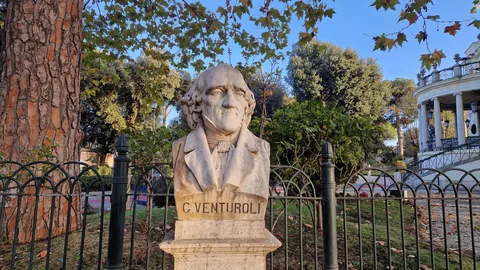
Venturoli applied mathematics to hydraulics and helped train engineers for public works in the Papal States.
Find on the mapPincio gardens
A scholar of Hebrew and Greek, Ugdulena combined biblical translation with political activity during Sicily’s struggle against Bourbon rule.
Find on the mapPincio gardens
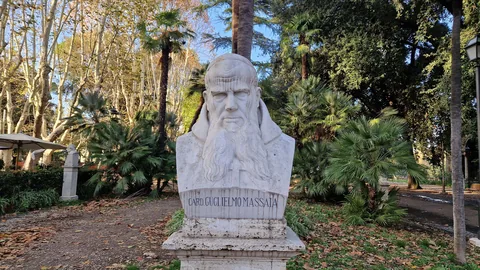
A Capuchin missionary in Ethiopia, Massaia founded missions, advised Menelik, and recorded his experiences in extensive memoirs.
Find on the mapPincio gardens
Oberdan’s execution in Trieste in 1882 became a rallying point for Italian irredentism and its campaign against Habsburg rule.
Find on the mapPincio gardens
A southern Italian general whose campaigns connected the constitutional revolution in Naples with the defense of Venice.
Find on the mapPincio gardens
Guido helped singers learn unfamiliar chant through written pitch and a system of memorable syllables.
Find on the mapPincio gardens
Horace adapted Greek lyric forms to Roman life, writing about friendship and mortality within the political world of Augustus.
Find on the mapPincio gardens
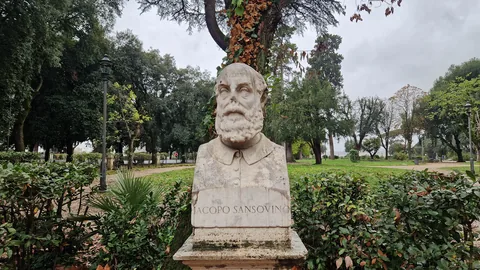
Sansovino reshaped the civic center of Venice through architecture that joined classical forms, sculpture, and public ceremony.
Find on the mapPincio gardens
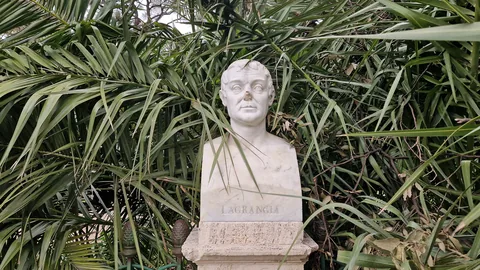
Lagrange developed mathematical methods that expressed mechanics through general equations rather than separate solutions for each machine or motion.
Find on the mapPincio gardens
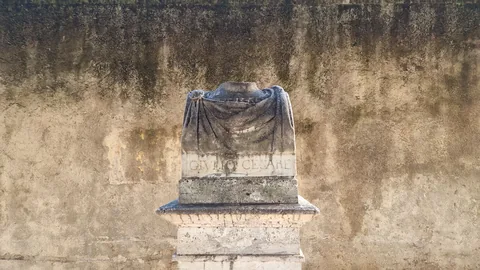
Caesar used conquest, political alliances, and civil war to gain powers that the Republican system could no longer contain.
Find on the mapPincio gardens
Alberti explained painting and architecture as intellectual disciplines and adapted ancient forms to the needs of Renaissance patrons.
Find on the mapPincio gardens
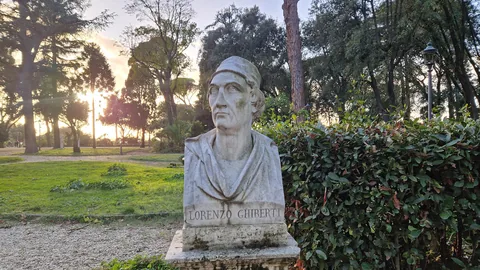
Ghiberti’s bronze doors for Florence’s Baptistery turn biblical narrative into scenes of shifting space and finely worked relief.
Find on the mapPincio gardens
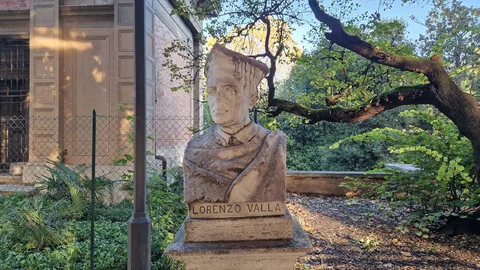
Valla used the history of Latin to expose the Donation of Constantine as a document written centuries after the events it claimed to record.
Find on the mapPincio gardens
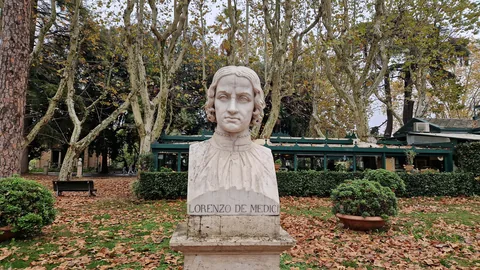
Lorenzo the Magnificent combined political control, diplomacy, poetry, and patronage in fifteenth-century Florence.
Find on the mapPincio gardens
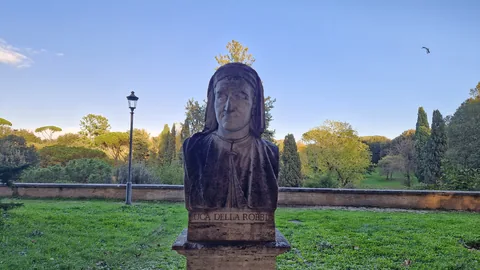
Luca della Robbia developed glazed terracotta sculpture alongside a career in marble, including Florence Cathedral’s singing gallery.
Find on the mapPincio gardens
A Roman poet who used Epicurean explanations of nature to confront fear of the gods and of death.
Find on the map