Pincio gardens
Giorgio Andreoli
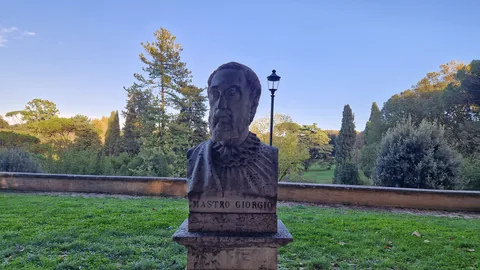
Giorgio Andreoli’s Gubbio workshop added metallic luster to ceramics, sometimes completing vessels painted in another city.
Find on the mapThe Pincio busts commemorate people from different eras: poets, artists, scientists, and political figures. Browse their photographs, read their stories, and use the map to find a portrait along the garden paths.
181 places
Featured places first, then A–ZPincio gardens
Giorgio Andreoli’s Gubbio workshop added metallic luster to ceramics, sometimes completing vessels painted in another city.
Find on the mapPincio gardens
Pallavicino moved from anti-Austrian conspiracy to a campaign for Italian unity under the Savoy monarchy.
Find on the mapPincio gardens
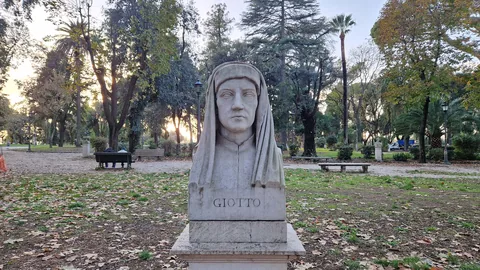
Giotto gave sacred stories weight, space, and human emotion in the frescoes of the Scrovegni Chapel in Padua.
Find on the mapPincio gardens
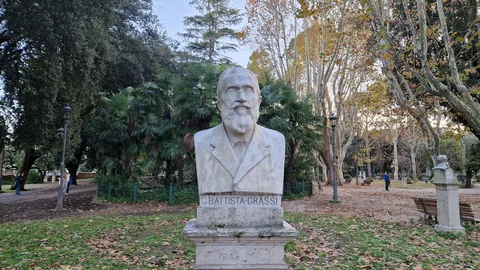
Grassi helped establish how Anopheles mosquitoes transmit human malaria through research that required precise identification of both parasite and insect.
Find on the mapPincio gardens
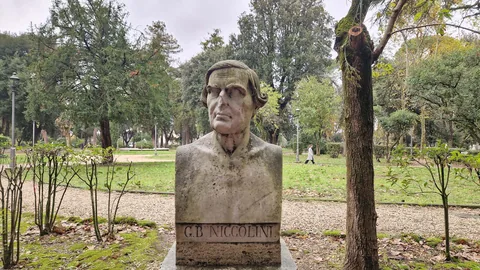
Niccolini used historical drama to argue about tyranny, national independence, and the political power of the papacy.
Find on the mapPincio gardens
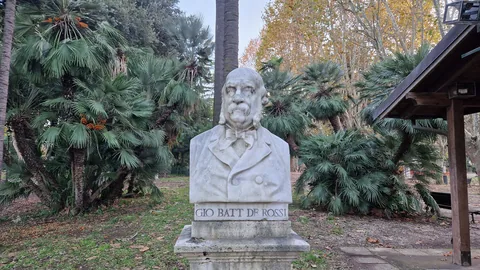
De Rossi combined inscriptions and excavation to reconstruct the early Christian burial landscapes outside Rome.
Find on the mapPincio gardens
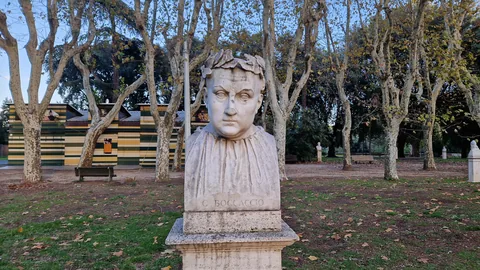
Boccaccio’s Decameron places a hundred stories of desire, wit, cruelty, and survival within the shadow of the 1348 plague.
Find on the mapPincio gardens
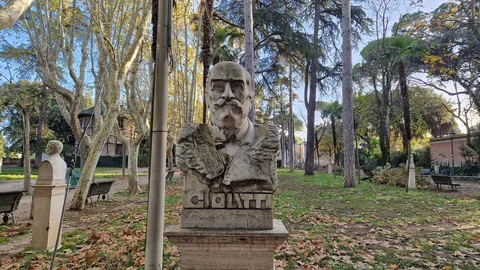
Giolitti expanded political participation while directing colonial war and relying on contested methods of parliamentary government.
Find on the mapPincio gardens
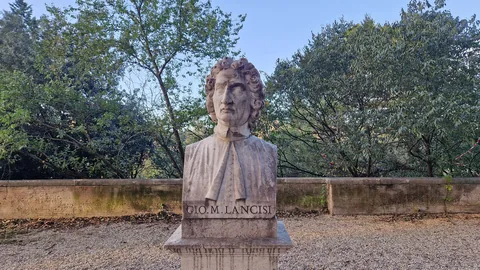
Lancisi connected bedside medicine with anatomical study and the environmental questions posed by disease around Rome.
Find on the mapPincio gardens
Pascoli turned small rural details into unsettling poetry about memory, loss, and the fragility of home.
Find on the mapPincio gardens
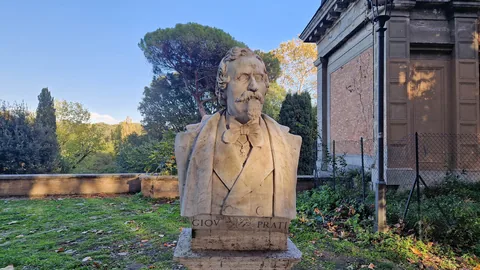
Prati’s popular verse moved between private emotional drama and public support for the Savoy monarchy.
Find on the mapPincio gardens
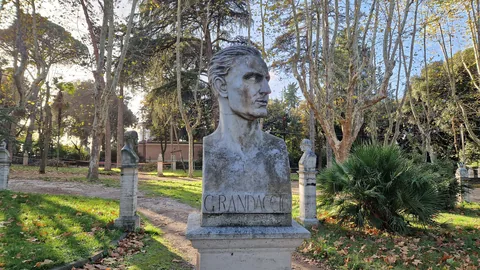
An infantry major killed near the Timavo in 1917, Randaccio became a prominent figure in Italy’s memory of the First World War.
Find on the mapPincio gardens
Giovanni delle Bande Nere commanded troops in the Italian Wars and became the father of Cosimo I, the future Duke of Florence.
Find on the mapPincio gardens
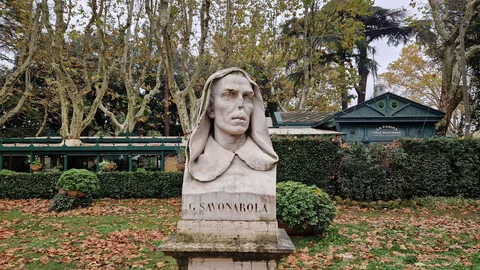
Savonarola’s preaching joined religious reform to Florentine politics before his conflict with papal authority ended in execution in 1498.
Find on the mapPincio gardens
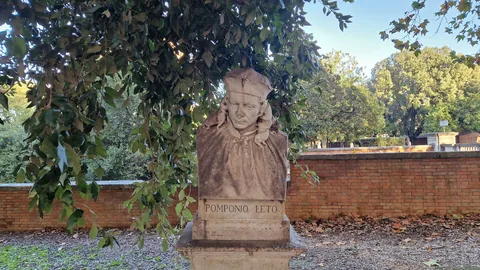
Pomponio Leto made ancient Rome a subject of teaching and collective study, attracting papal suspicion as well as devoted pupils.
Find on the mapPincio gardens
Raphael’s collaborator became a court artist in Mantua, where Palazzo Te turns classical order into theatrical surprise.
Find on the mapPincio gardens
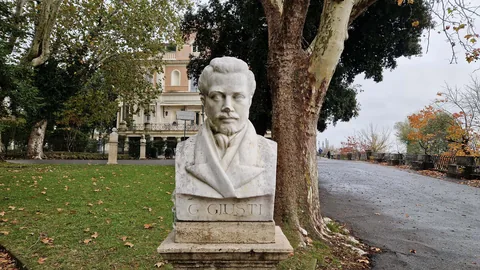
Giusti used satirical verse to expose political vanity, conformity, and the comfortable excuses of respectable society.
Find on the mapPincio gardens
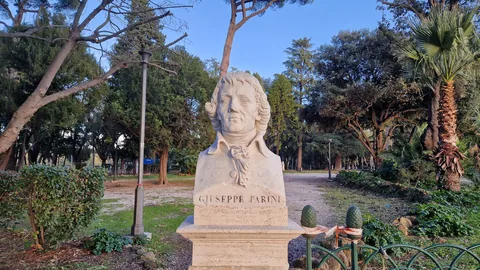
Parini’s mock instruction of a fashionable young nobleman turns the language of refinement into a critique of idleness.
Find on the map