Pincio gardens · Nearby
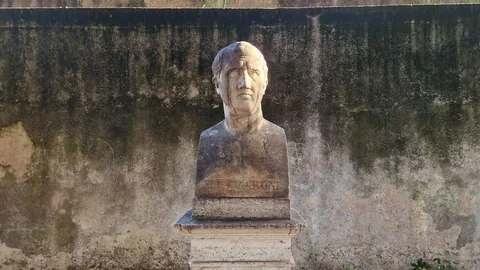
Cicero
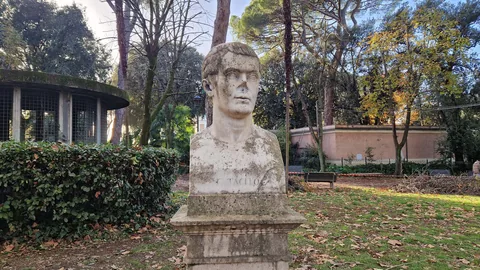
Cicero’s speeches and letters expose the arguments, ambitions, and compromises of Rome’s late Republic.
Find on the mapRead aloud with your device’s voice.
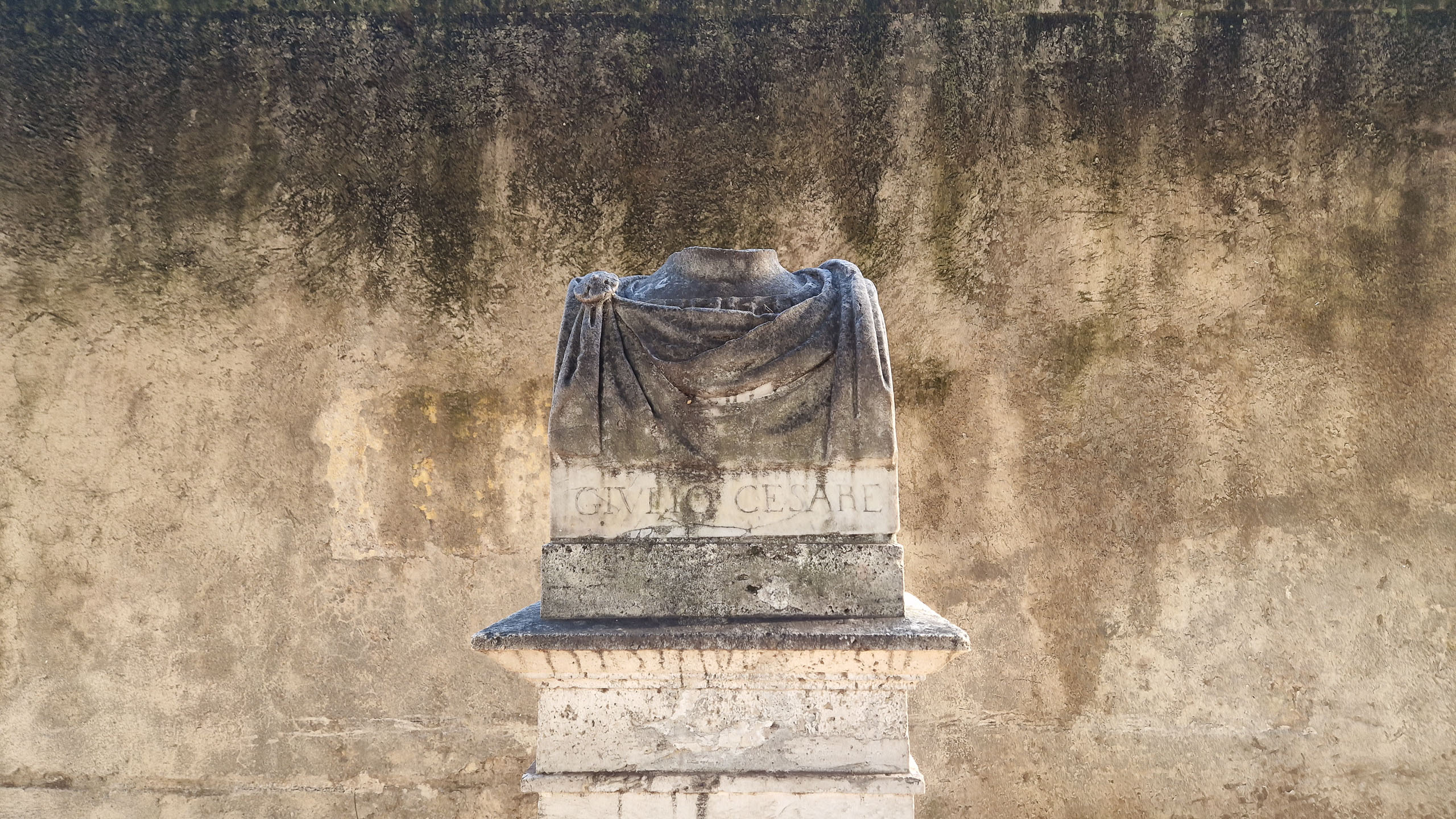
Julius Caesar’s account of the Gallic War made military conquest read like a sequence of clear, necessary decisions. The controlled prose is persuasive. Its author had interests to defend. Caesar was describing campaigns that enlarged his own power, while the violence and enslavement they brought to conquered communities receive a different emphasis.
Born in 100 BCE, he advanced through Roman public office and an alliance with Pompey and Crassus. His command in Gaul gave him wealth and an experienced army. Crossing the Rubicon with troops in 49 BCE turned the struggle over his political future into civil war.
Victory over his opponents led to repeated dictatorships and eventually the title of dictator for life. Caesar was not Rome’s first emperor in the later constitutional sense. The settlement associated with Augustus came after another sequence of wars.
On March 15, 44 BCE, conspirators killed Caesar in the meeting hall attached to Pompey’s theater complex. The assassination removed the man without restoring a stable Republic, and his family name eventually became an imperial title.
Pincio gardens · Nearby
Cicero’s speeches and letters expose the arguments, ambitions, and compromises of Rome’s late Republic.
Find on the mapPincio gardens · Nearby
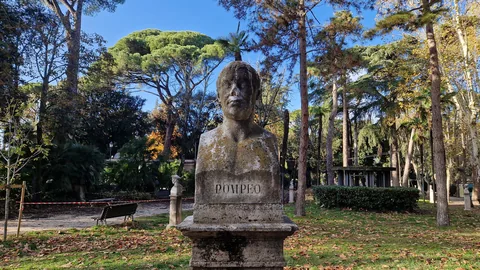
Pompey’s extraordinary commands and public buildings made him a dominant Roman figure before civil war with Caesar.
Find on the mapPincio gardens · Nearby
The anatomist behind the Eustachian tube, whose major anatomical plates reached print long after his death.
Find on the mapPincio gardens · Nearby
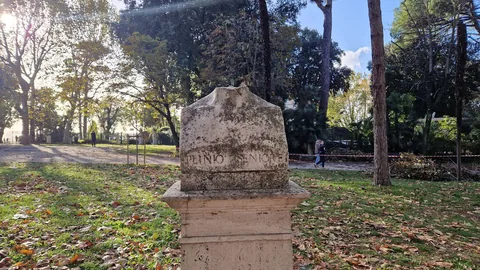
A Roman writer and fleet commander whose Natural History preserves ancient knowledge about the natural world and the arts.
Find on the map