Pincio gardens · Nearby
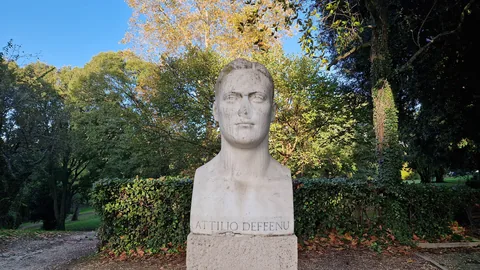
Attilio Deffenu
A Sardinian journalist and revolutionary syndicalist, Deffenu linked social reform to the island’s problems before dying on the Piave in 1918.
Find on the mapRead aloud with your device’s voice.
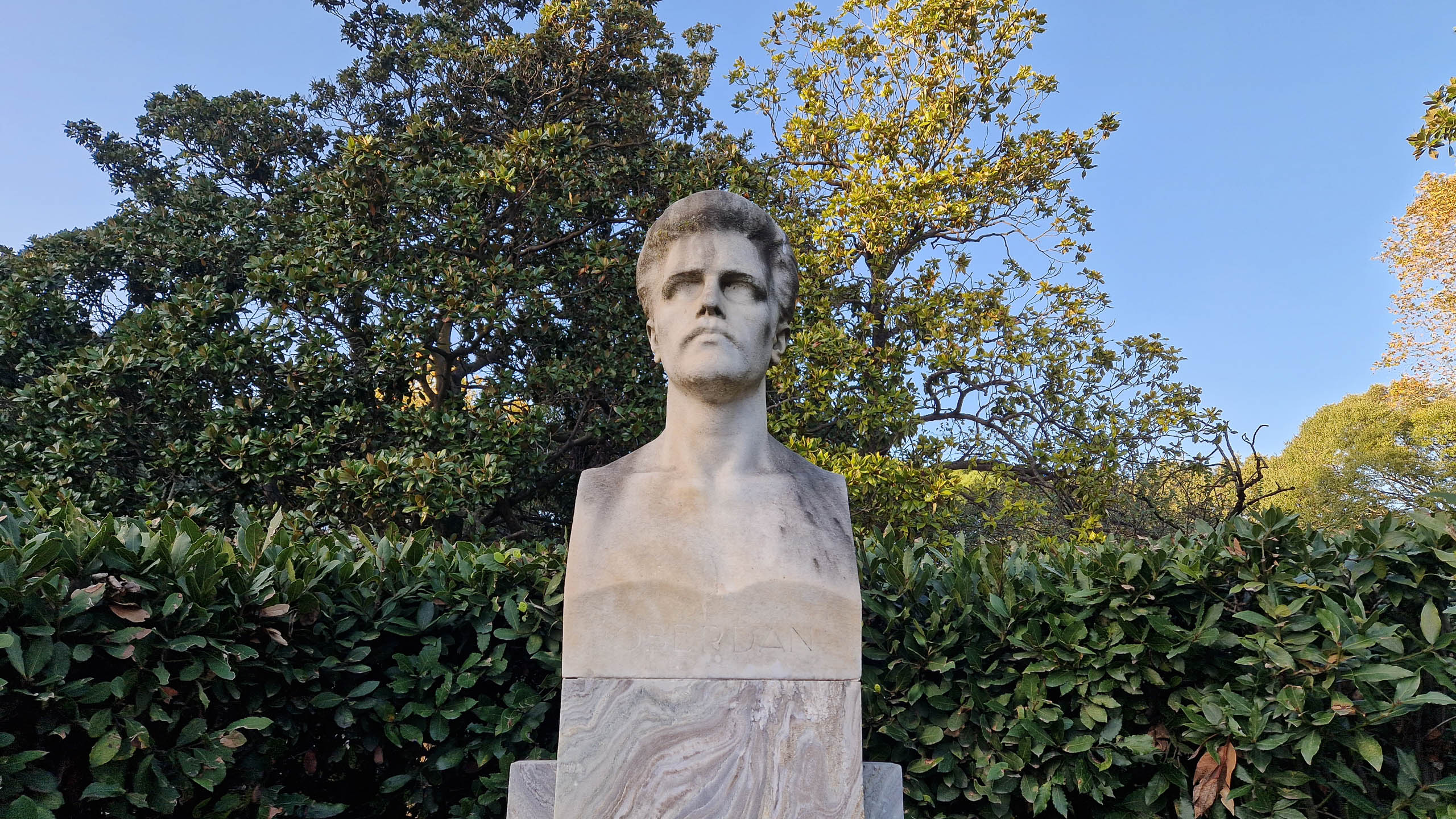
Guglielmo Oberdan became a symbol of Italian irredentism after his execution in Trieste in 1882. Born there in 1858 under Habsburg rule, he left for Italy and joined political circles that sought the incorporation of Trieste and other contested territories into the Italian kingdom.
His arrest followed a return toward Trieste during preparations for Emperor Franz Joseph's visit. He was carrying explosives and was implicated in a plan to kill the emperor. Austrian authorities also treated him as a deserter. He was tried and hanged on December 20, 1882.
The commemorative language of martyrdom often places the emphasis entirely on his national convictions. The planned use of political violence is also part of the record, and it helps explain both the prosecution and the controversy surrounding his memory. The emperor was not killed or injured in the proposed attack.
Oberdan's name spread through Italian streets, monuments, and patriotic associations. In Rome, his portrait belongs to that campaign of remembrance, which presented an unfinished national unification as a cause requiring continued commitment. Trieste's multilingual society and competing political allegiances make the history more complex than that single public message.
Pincio gardens · Nearby
A Sardinian journalist and revolutionary syndicalist, Deffenu linked social reform to the island’s problems before dying on the Piave in 1918.
Find on the mapPincio gardens · Nearby
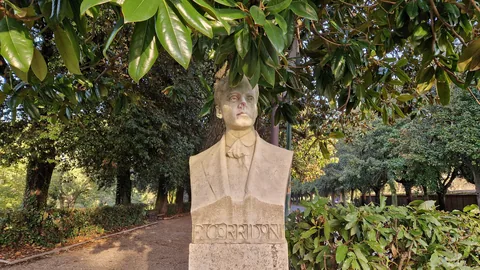
A revolutionary labor organizer who backed Italy’s entry into the First World War, Corridoni was killed on the Carso in 1915.
Find on the mapPincio gardens · 22 m away
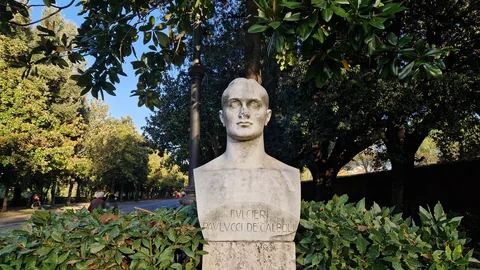
Severely wounded in 1917, Paulucci di Calboli became a public advocate for Italy’s war effort before his death in 1919.
Find on the mapPincio gardens · 31 m away
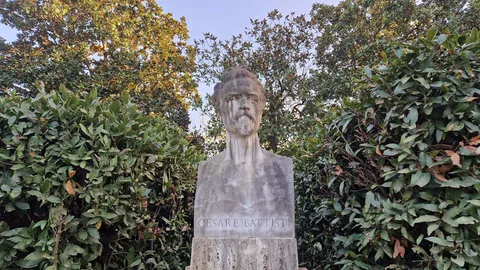
Battisti combined geographical research and socialist politics before volunteering for Italy and being executed by Austria-Hungary in 1916.
Find on the map