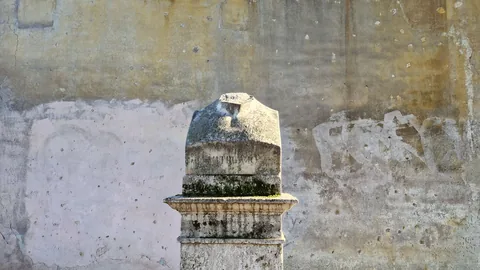
Pincio gardens · Nearby
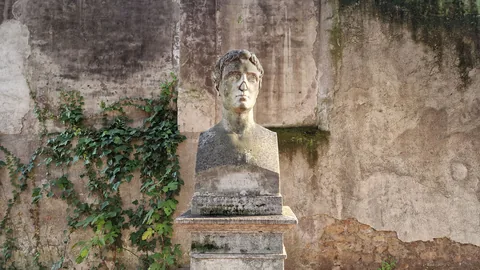
Vitruvius
The Roman author of a ten-book work on architecture that connects buildings with materials, water, machines, and human proportions.
Find on the mapRead aloud with your device’s voice.
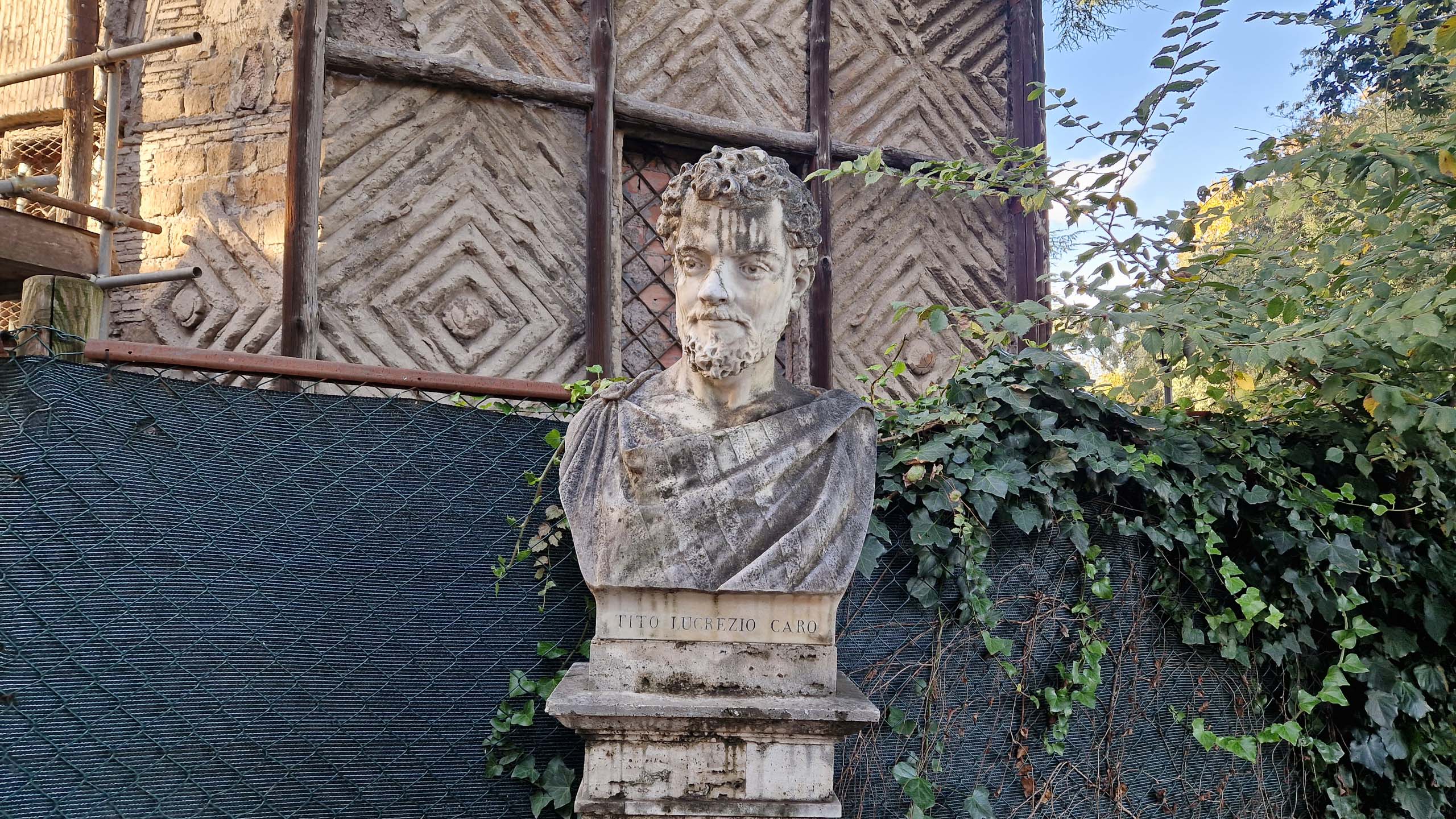
Lucretius made a poem out of an explanation of the physical world. De rerum natura, usually translated as On the Nature of Things, presents Epicurean philosophy in six books of Latin verse. Bodies, sensations, and the world around us are explained through matter and motion.
The argument has an ethical purpose. Understanding natural causes is meant to loosen the grip of fear, including fear of divine intervention and of death. Poetry carries that difficult argument through images and comparisons that a reader can picture, rather than through propositions alone.
The poet himself remains much less accessible than his work. His birth and death dates are uncertain, and later stories about madness and suicide cannot be treated as a secure biography. A portrait bust gives him a definite face; the surviving historical evidence does not give us an equally definite life.
Pincio gardens · Nearby
The Roman author of a ten-book work on architecture that connects buildings with materials, water, machines, and human proportions.
Find on the mapPincio gardens · Nearby
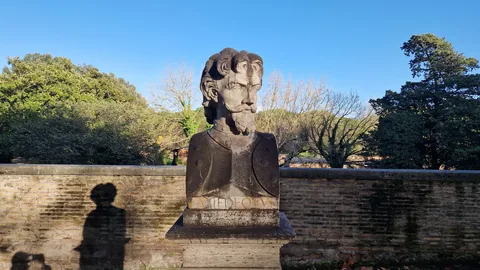
Horace adapted Greek lyric forms to Roman life, writing about friendship and mortality within the political world of Augustus.
Find on the mapPincio gardens · Nearby
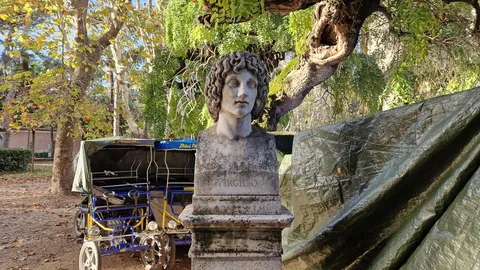
The poet of the Aeneid, whose account of Aeneas made displacement, war, and loss part of Rome’s origin story.
Find on the mapPincio gardens · Nearby
Amadeus V governed Savoy through disputed inheritance, marriage alliances, and negotiation across the Alps.
Find on the map