Eastern park
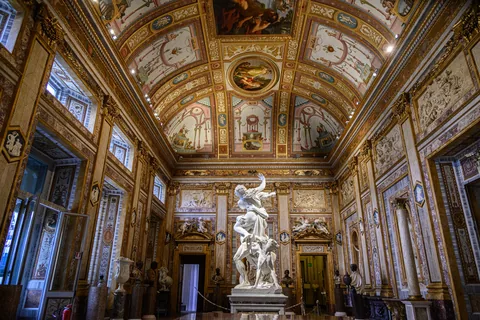
Borghese Gallery
A collection shaped by Borghese patronage, with sculptures by Bernini and Canova and paintings by Caravaggio, Raphael, and Titian.
Find on the mapChoose a place to visit in Villa Borghese and the Pincio gardens. Browse the photographs and stories, or narrow the list by name and interest.
198 places
Featured places first, then A–ZEastern park
A collection shaped by Borghese patronage, with sculptures by Bernini and Canova and paintings by Caravaggio, Raphael, and Titian.
Find on the mapPincio gardens
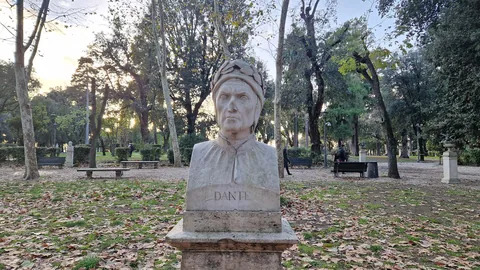
An exiled Florentine who made the afterlife a setting for arguments about language, power, love, and justice.
Find on the mapPincio gardens
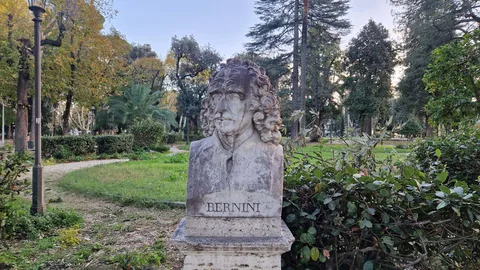
Bernini’s Borghese sculptures make action depend on the viewer’s position, turning carved stone into a sequence of discoveries.
Find on the mapLake garden
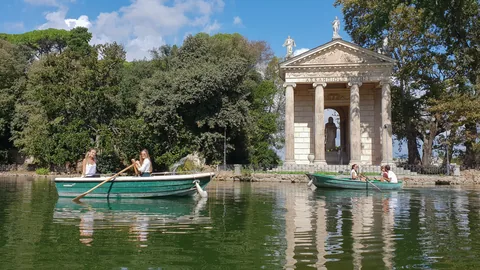
A designed landscape of curved paths, planted views, and water, with the Temple of Aesculapius as its central focus.
Find on the mapPincio gardens
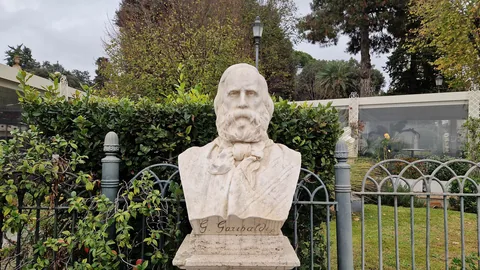
Garibaldi led volunteer armies in South America and Italy, including the 1860 campaign that overthrew Bourbon rule in the south.
Find on the mapPincio gardens
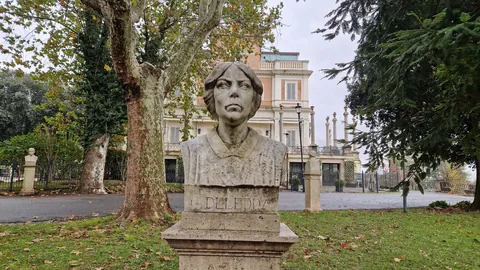
Deledda’s fiction examines desire, guilt, obligation, and social pressure through lives rooted in Sardinia.
Find on the mapPincio gardens
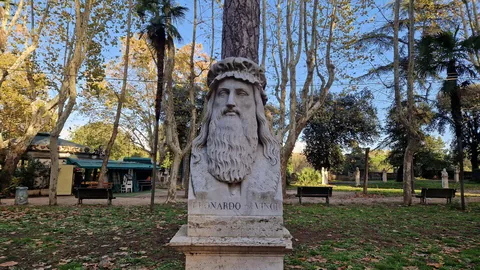
A painter who used drawing to investigate anatomy, moving water, and the mechanics of sight. His Roman years came late in his career.
Find on the mapPincio gardens
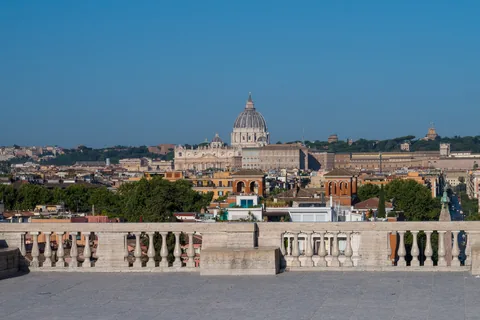
A public belvedere above Piazza del Popolo, connected to gardens filled with commemorative portraits.
Find on the mapPincio gardens
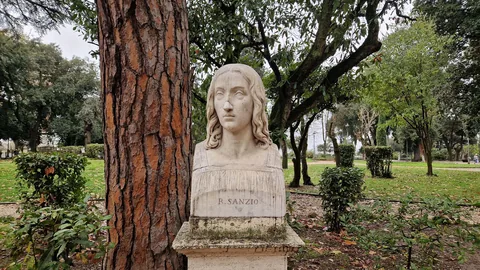
Raphael organized figures, architecture, and gesture into paintings whose apparent ease rests on careful design and collaboration.
Find on the mapLake garden
An eighteenth-century temple on an artificial island, designed as a classical focus for the lake garden.
Find on the mapPincio gardens
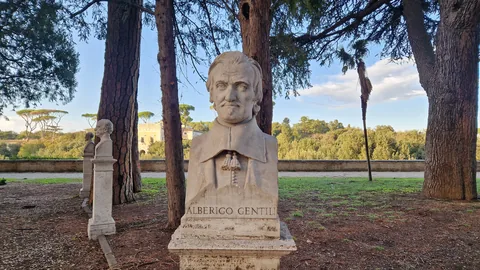
An Italian religious exile at Oxford, Gentili examined war and diplomacy as legal problems between political communities.
Find on the mapPincio gardens
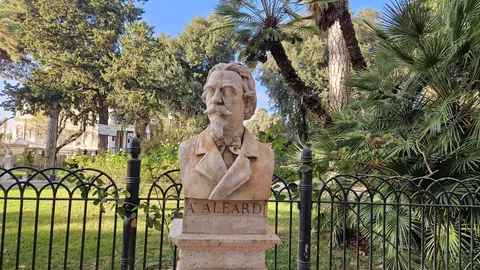
A Romantic poet whose verse joined landscape, political exile, and the movement for Italian unification.
Find on the mapPincio gardens
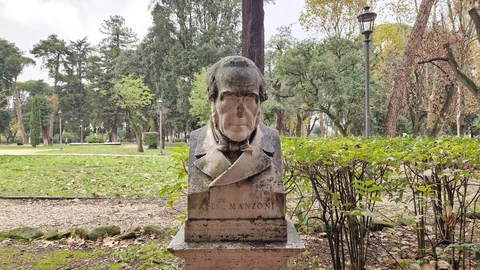
Manzoni’s The Betrothed follows ordinary people through coercion, famine, and plague while examining the failures of institutions.
Find on the mapPincio gardens
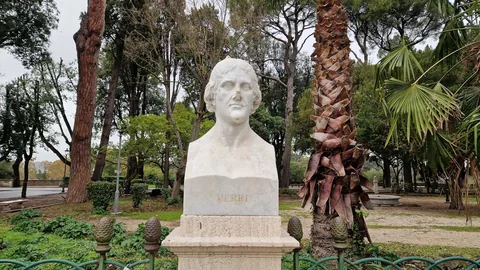
Verri moved from Milanese Enlightenment journalism to historical fiction inspired by the ancient remains of Rome.
Find on the mapPincio gardens
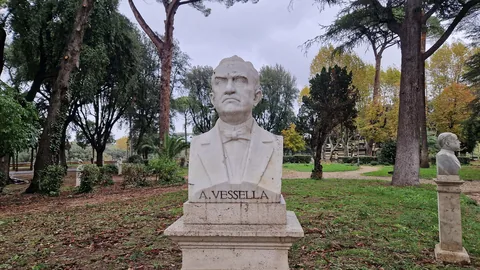
Vessella directed Rome’s municipal band and used arrangements and public concerts to bring a broad musical repertoire to the city.
Find on the mapPincio gardens
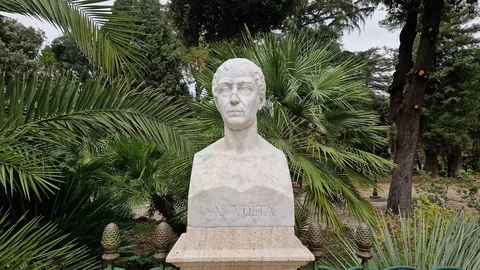
Volta’s electric pile provided a sustained source of current and opened new possibilities for experimental science.
Find on the mapPincio gardens
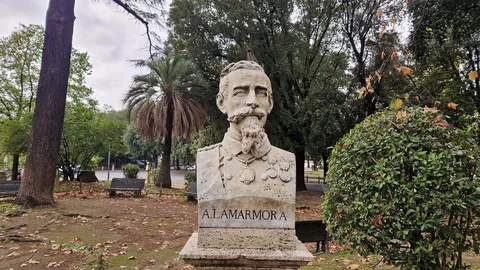
La Marmora helped organize the Piedmontese and Italian armies, served as prime minister, and faced bitter criticism after the defeat at Custoza.
Find on the mapPincio gardens
Amadeus V governed Savoy through disputed inheritance, marriage alliances, and negotiation across the Alps.
Find on the map