Pincio gardens · Nearby
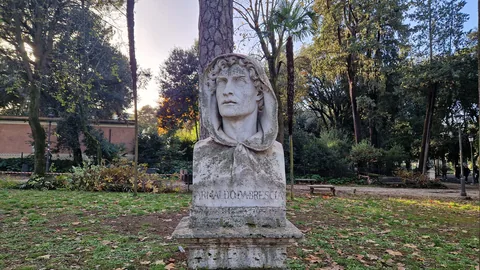
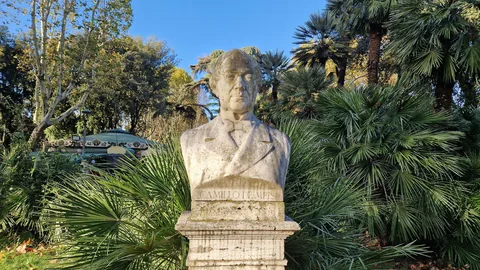
Angelo Camillo De Meis
A physician and philosopher, De Meis treated the history of medicine as part of a larger argument about science and society.
Find on the mapRead aloud with your device’s voice.
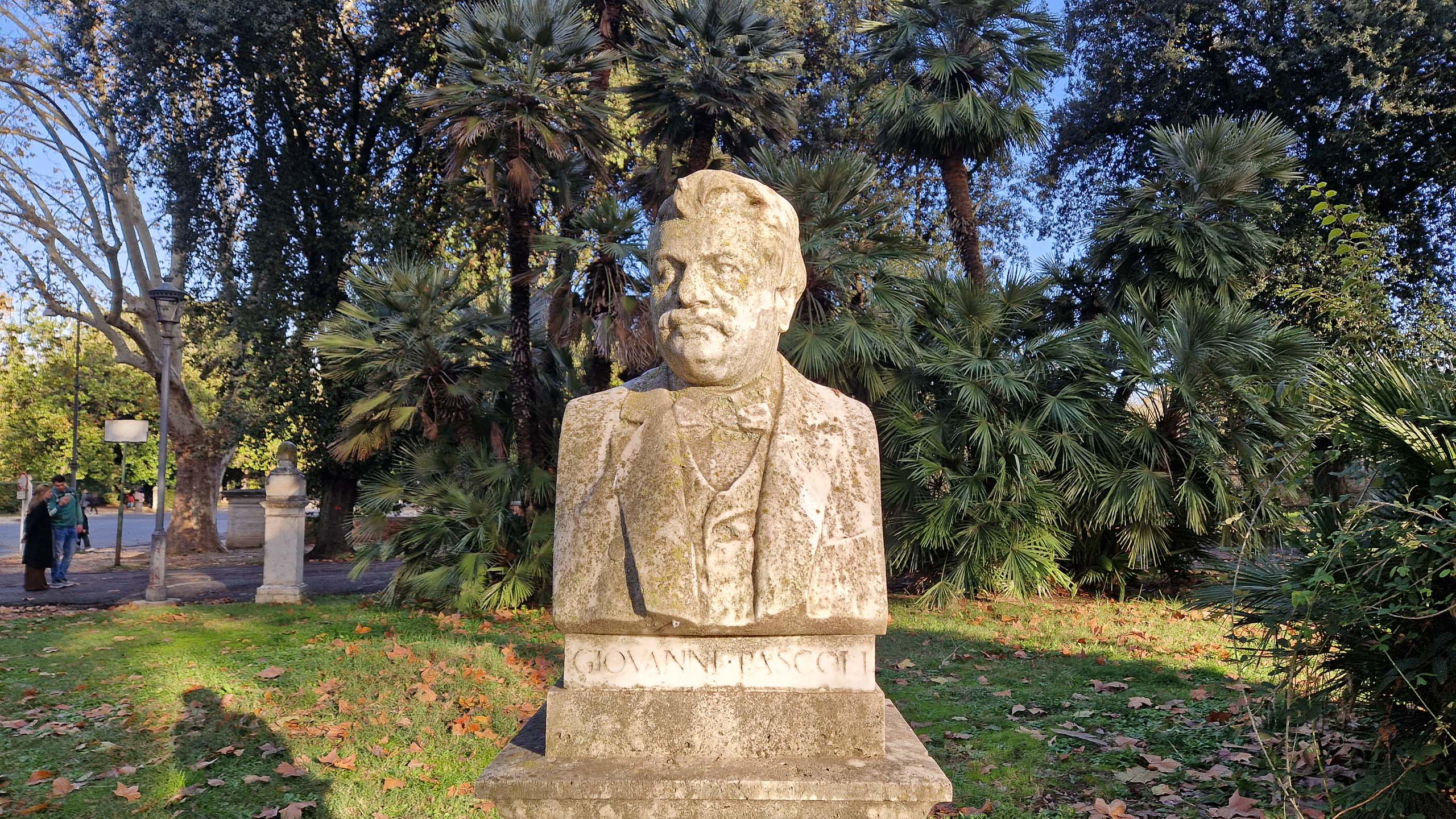
Bird calls and familiar farm objects can become disturbing presences in Giovanni Pascoli’s poetry. In Myricae, the close attention to rural life is inseparable from grief and uncertainty. His father’s murder in 1867, followed by other family deaths, gave particular force to the recurring image of a threatened family home.
Pascoli was born in Romagna in 1855 and became a teacher and scholar of classical literature. He also composed prizewinning Latin poetry. His Italian poems use precise names and carefully arranged sounds to make ordinary things appear strange, sometimes before their significance can be fully explained.
In the essay Il fanciullino, developed from writing published in 1897, he located poetic perception in a childlike faculty of attention. This was an argument about how people see and remember, rather than a recommendation to write only for children.
His public politics complicate the intimate voice of the poems. In 1911, Pascoli spoke in support of Italy’s invasion of Libya. The national and colonial ambitions expressed in that speech belong alongside his sympathy for vulnerable lives when assessing his work. A commemorative portrait cannot resolve that tension.
Pincio gardens · Nearby
A physician and philosopher, De Meis treated the history of medicine as part of a larger argument about science and society.
Find on the mapPincio gardens · Nearby
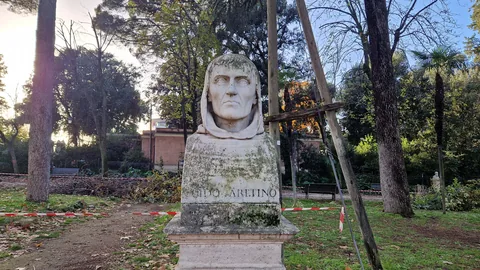
Arnold of Brescia challenged the Church’s worldly power and became involved in the medieval Roman commune.
Find on the mapPincio gardens · Nearby
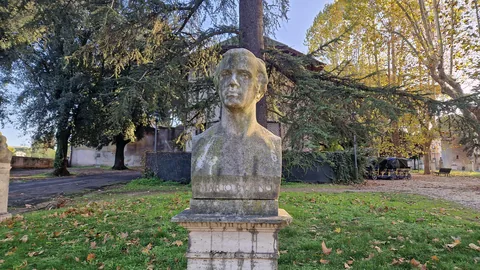
Pagano brought Enlightenment arguments about criminal justice into the short-lived Neapolitan Republic of 1799.
Find on the mapPincio gardens · Nearby
Guido helped singers learn unfamiliar chant through written pitch and a system of memorable syllables.
Find on the map