Pincio gardens · Nearby
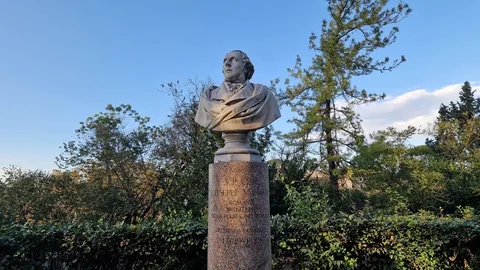
Giuseppe Valadier
Valadier helped shape the Pincio and Piazza del Popolo, while his restorations made ancient monuments part of modern Rome.
Find on the mapRead aloud with your device’s voice.
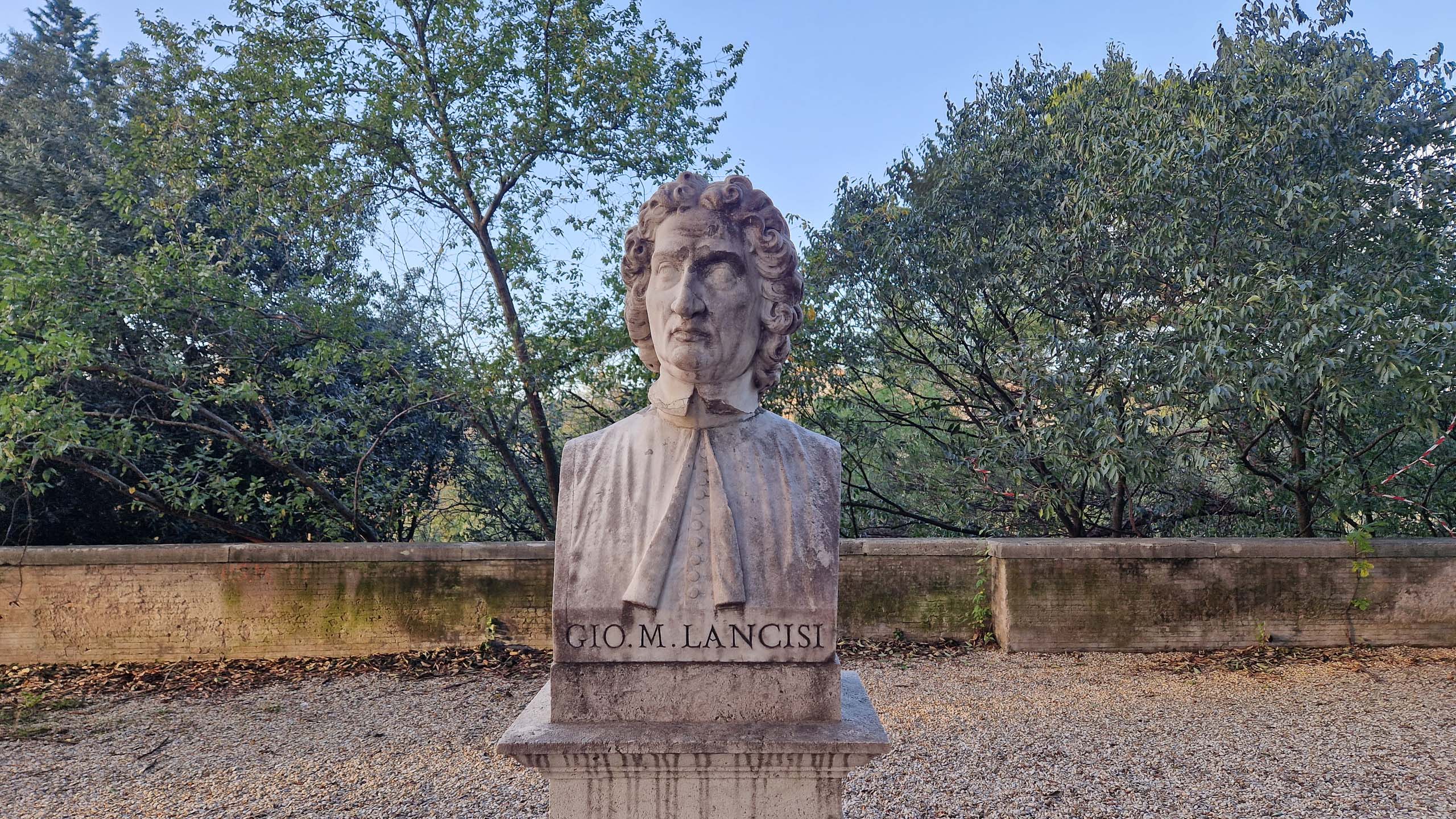
Giovanni Maria Lancisi investigated sudden deaths in Rome and considered how physicians should connect observations from patients with examination of the body. His De subitaneis mortibus appeared in 1707. The work belongs to the development of pathological explanation before modern diagnostic equipment.
Born in Rome in 1654, Lancisi became a papal physician and an influential organizer of medical learning. He also examined the illnesses associated with marshy environments. His discussion of insects and disease should be understood as an early hypothesis, not as the later experimental demonstration of malaria transmission.
In 1714, he published anatomical plates prepared by Bartolomeo Eustachio that had remained unpublished for generations. Lancisi’s editorial work brought those earlier investigations to new readers, connecting two physicians whose portraits appear in the Pincio collection.
The case shows why medical history includes the survival and circulation of evidence. Making a detailed image is one achievement; preserving it and putting it into the hands of later readers is another. Lancisi contributed to both clinical inquiry and the infrastructure of learning.
Pincio gardens · Nearby
Valadier helped shape the Pincio and Piazza del Popolo, while his restorations made ancient monuments part of modern Rome.
Find on the mapPincio gardens · 31 m away
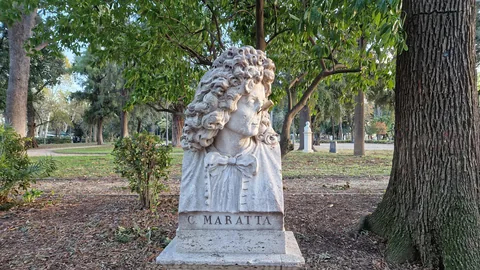
Maratta joined a major career in painting to the restoration of Raphael’s Roman frescoes.
Find on the mapPincio gardens · 31 m away
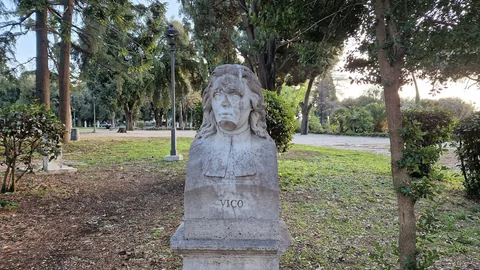
Vico used language and myth to investigate how people create the institutions and assumptions of their social world.
Find on the mapPincio gardens · 31 m away
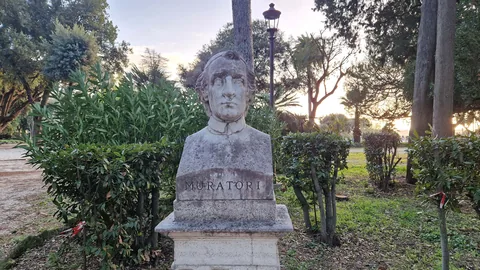
Muratori made medieval chronicles and documents available in large editions that changed the basis of historical research.
Find on the map