Pincio gardens · Nearby
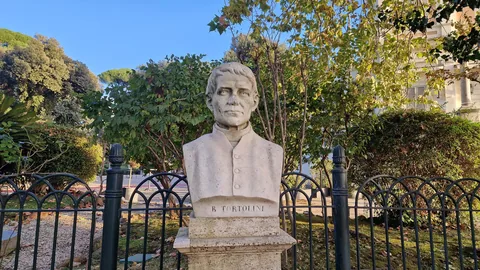
Barnaba Tortolini
Tortolini taught mathematics in Rome and founded a scientific journal that connected Italian researchers with colleagues abroad.
Find on the mapRead aloud with your device’s voice.
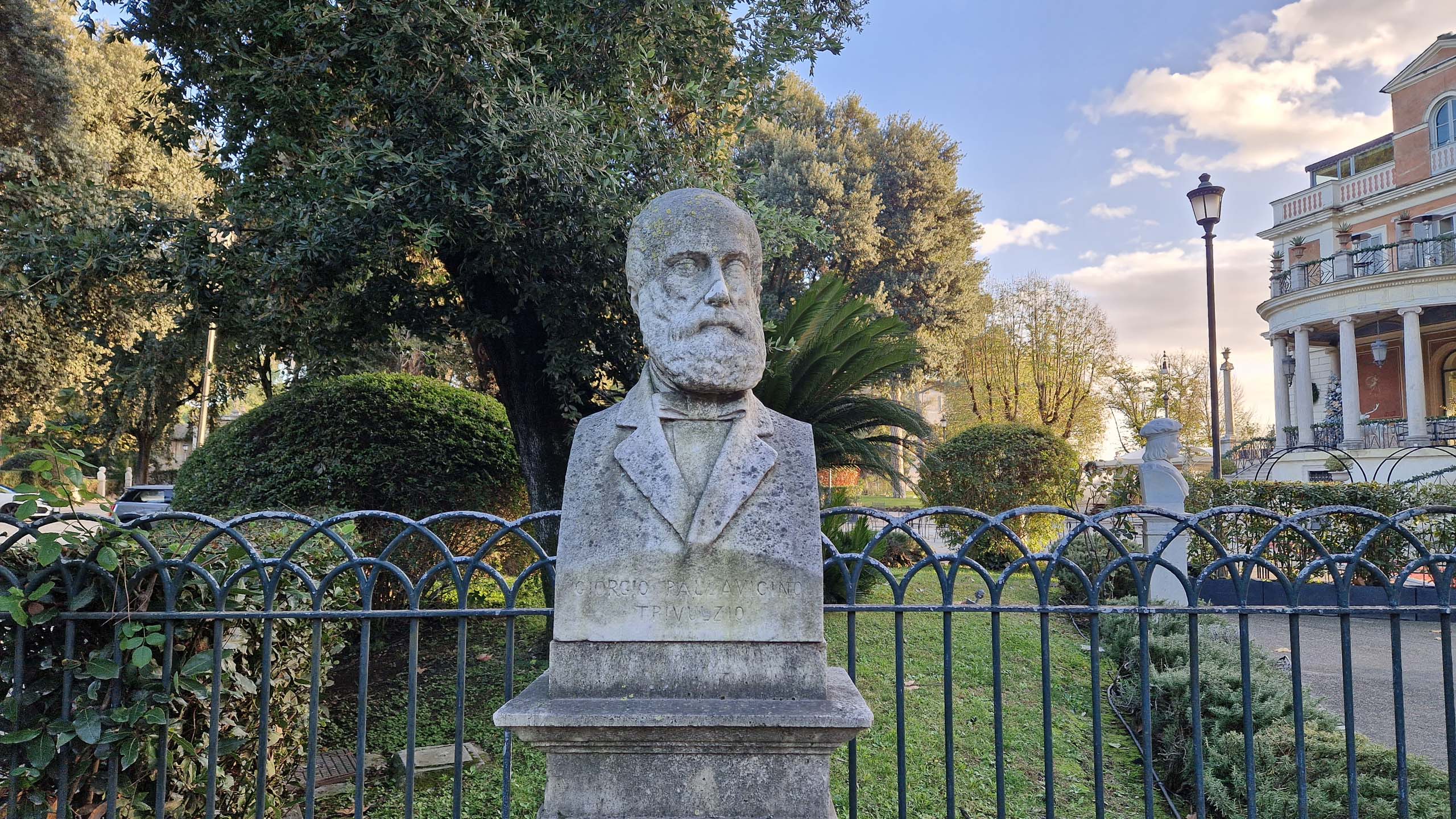
Giorgio Pallavicino Trivulzio spent years in Austrian prisons after involvement in the conspiracies of 1821. Born into the Milanese aristocracy in 1796, he had sought support for action against Austrian rule. Interrogations and the evidence he gave became a painful and controversial part of that early episode.
Released in 1835, he eventually returned to political activity. His later strategy favored cooperation among different national groups and support for the Savoy monarchy. Through the Italian National Society, founded in 1857, he helped promote unity around Victor Emmanuel II, though his relations with Cavour were often strained.
In Naples in 1860, as a senior official under Garibaldi, Pallavicino pressed for an immediate plebiscite on annexation. He opposed proposals for an assembly that would first negotiate the terms of union. The disagreement concerned how unification should occur and who would control the transition.
He died in 1878. His career makes the Risorgimento's internal arguments visible: former conspirators could support a monarchy, allies could divide over procedure, and the shared aim of unity did not remove conflicts over political power.
Pincio gardens · Nearby
Tortolini taught mathematics in Rome and founded a scientific journal that connected Italian researchers with colleagues abroad.
Find on the mapPincio gardens · Nearby
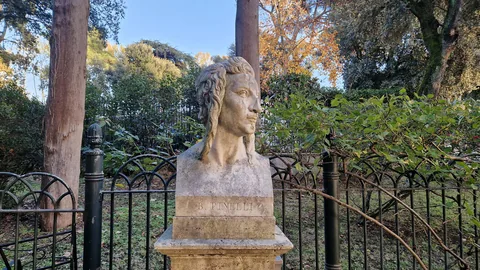
Pinelli’s prints and drawings made the people, gestures, and street life of Rome a subject for collectors and travelers.
Find on the mapPincio gardens · Nearby
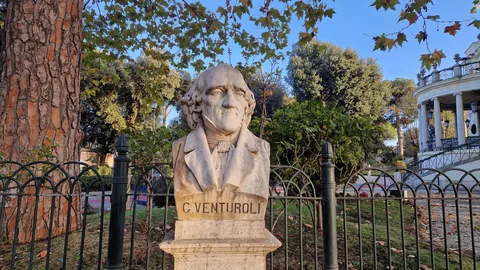
Venturoli applied mathematics to hydraulics and helped train engineers for public works in the Papal States.
Find on the mapPincio gardens · Nearby
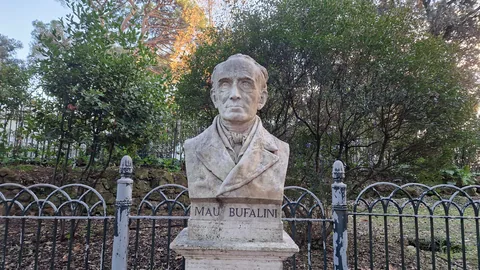
Bufalini challenged speculative medical systems and made close observation central to his teaching of pathology.
Find on the map