Pincio gardens · Nearby
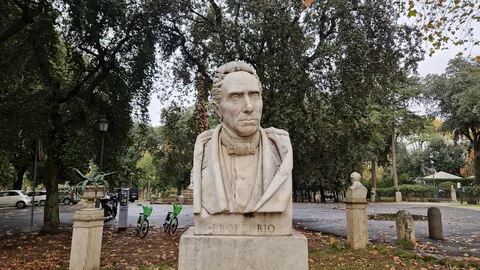
Angelo Brofferio
Brofferio joined journalism, theater, poetry, and parliamentary opposition in the democratic politics of the Risorgimento.
Find on the mapRead aloud with your device’s voice.
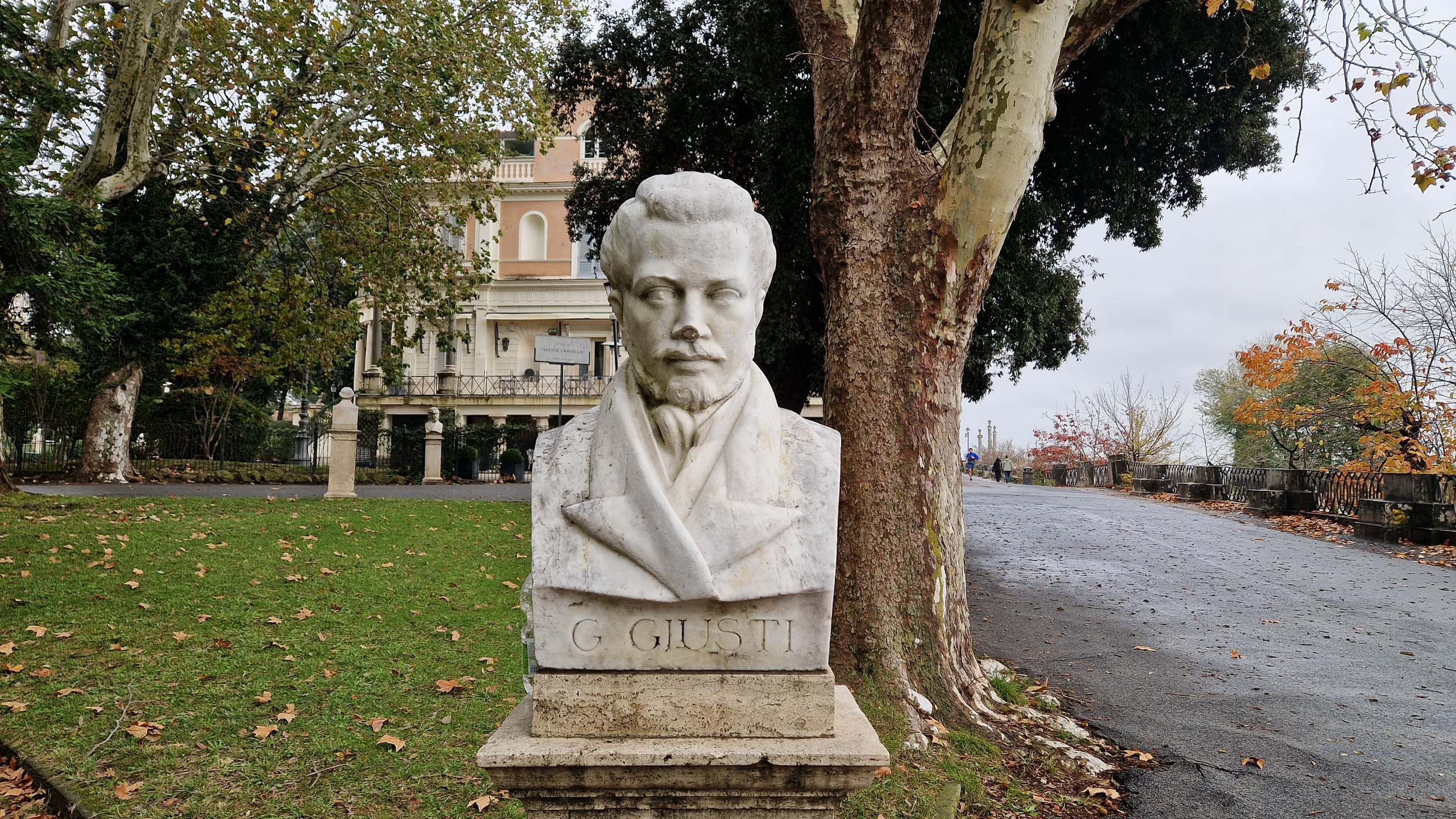
Giuseppe Giusti made political pretension sound ridiculous. Born in Monsummano in 1809, he wrote satirical verse that exposed opportunists, obedient officials, and people who spoke boldly about public affairs from a safe distance. Rhythm and a quick turn of phrase gave the criticism its force.
His targets belonged to the Italy of the Restoration and the years before unification. Giusti's liberal sympathies did not prevent him from mocking the habits of liberals themselves. A declared principle could become an excuse for vanity or inaction.
In Sant'Ambrogio, the encounter with Austrian soldiers in a Milanese church unsettles a simple patriotic opposition. The men serving an occupying power also appear as people far from home. Humor gives way to a recognition of shared vulnerability without dissolving the political conflict.
Giusti died in Florence in 1850. His most effective poems move between ridicule and sympathy, asking readers to notice both the absurdity of public behavior and the ordinary people caught inside it.
Pincio gardens · Nearby
Brofferio joined journalism, theater, poetry, and parliamentary opposition in the democratic politics of the Risorgimento.
Find on the mapPincio gardens · Nearby
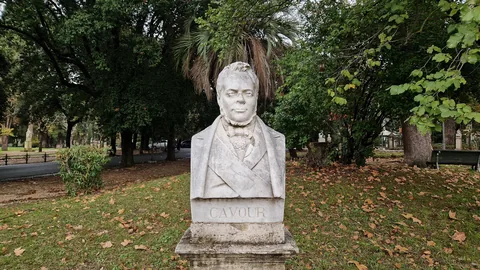
Cavour used parliamentary government, economic policy, and international alliances to advance Italian unification under the Savoy monarchy.
Find on the mapPincio gardens · Nearby
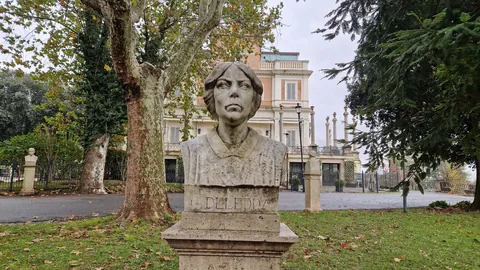
Deledda’s fiction examines desire, guilt, obligation, and social pressure through lives rooted in Sardinia.
Find on the mapPincio gardens · 28 m away
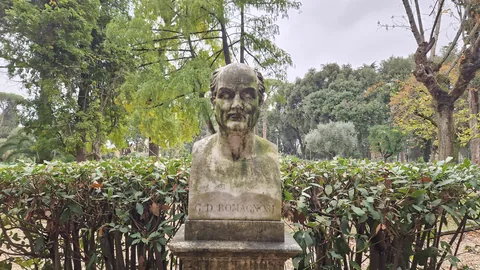
Romagnosi examined punishment, administration, and social development, linking legal thought to the study of human society.
Find on the map