Pincio gardens · Nearby
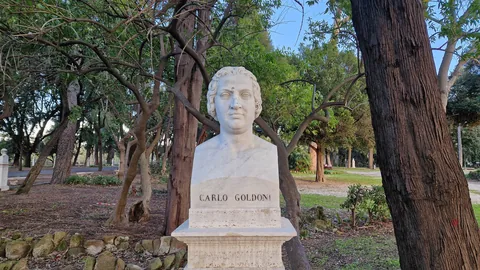
Carlo Goldoni
Goldoni developed written comedies from the practices of working theater and brought social observation into dramatic action.
Find on the mapRead aloud with your device’s voice.
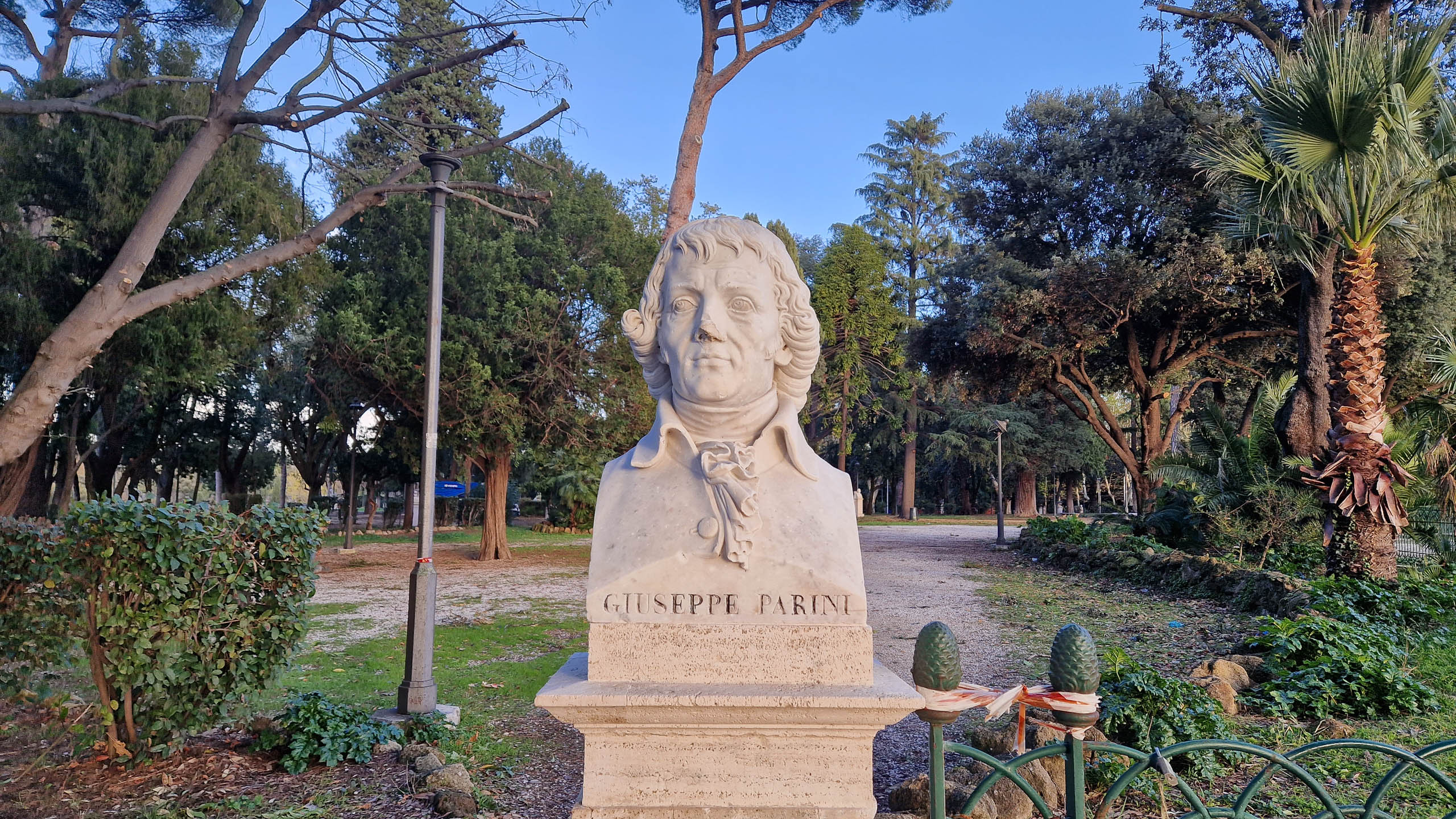
Giuseppe Parini’s Il Giorno follows a young nobleman through an elaborately managed day. The narrator appears to instruct his privileged pupil in refined behavior, but the disproportion between the grand language and the trivial activities produces the satire. A polished compliment can become an accusation.
Parini, born in 1729, knew aristocratic households through employment as a tutor in Milan. Il Mattino appeared in 1763 and Il Mezzogiorno in 1765. The larger project underwent revision and remained unfinished, so 1763 is not the publication date of a completed four-part poem.
His criticism asks what social rank contributes to the common life of a city. Education and useful work become standards against which inherited privilege can be judged.
The Odes extend his concerns beyond the young nobleman’s world, including the conditions of urban life. Parini’s formal control is therefore part of the critical method. The verse requires the reader to hear what the courteous surface is doing.
Pincio gardens · Nearby
Goldoni developed written comedies from the practices of working theater and brought social observation into dramatic action.
Find on the mapPincio gardens · Nearby
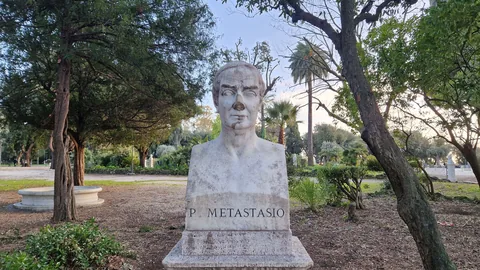
Metastasio wrote opera librettos that many composers reused, shaping stories around the pressure between public duty and private feeling.
Find on the mapPincio gardens · Nearby
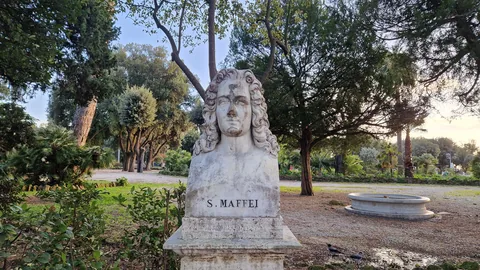
Maffei studied inscriptions as historical evidence and brought ancient tragedy into the arguments of eighteenth-century theater.
Find on the mapPincio gardens · Nearby
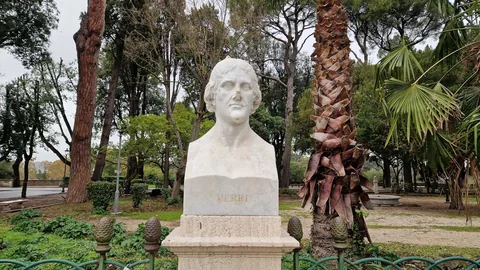
Verri moved from Milanese Enlightenment journalism to historical fiction inspired by the ancient remains of Rome.
Find on the map