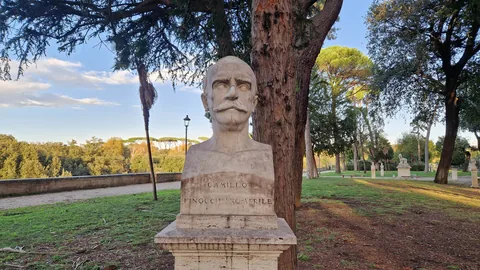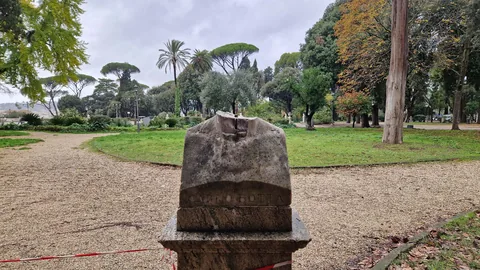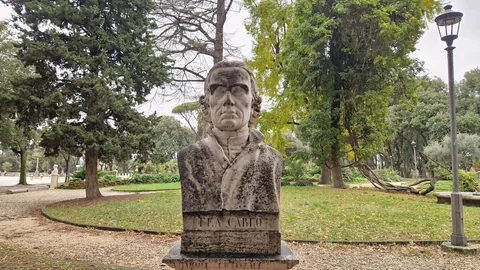
Pincio gardens
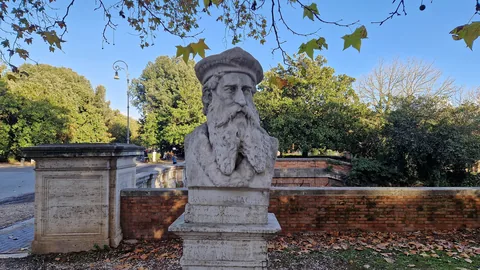
Bartolomeo Eustachio
The anatomist behind the Eustachian tube, whose major anatomical plates reached print long after his death.
Find on the mapThe Pincio busts commemorate people from different eras: poets, artists, scientists, and political figures. Browse their photographs, read their stories, and use the map to find a portrait along the garden paths.
181 places
Featured places first, then A–ZPincio gardens
The anatomist behind the Eustachian tube, whose major anatomical plates reached print long after his death.
Find on the mapPincio gardens
The anatomist behind the Eustachian tube, whose major anatomical plates reached print long after his death.
Find on the mapPincio gardens
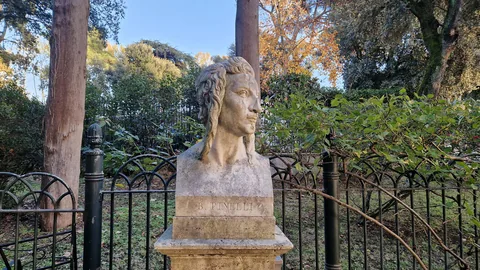
Pinelli’s prints and drawings made the people, gestures, and street life of Rome a subject for collectors and travelers.
Find on the mapPincio gardens
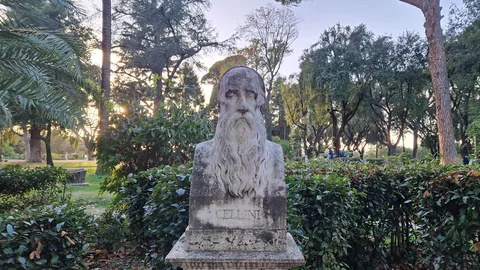
Cellini made goldsmithing and sculpture serve princely display, then cast his own turbulent career as the subject of an autobiography.
Find on the mapPincio gardens
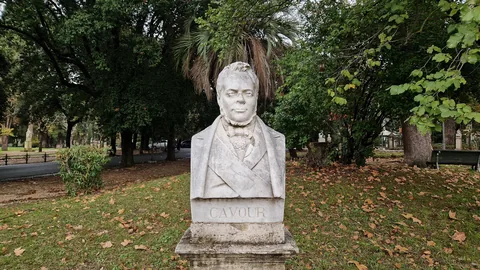
Cavour used parliamentary government, economic policy, and international alliances to advance Italian unification under the Savoy monarchy.
Find on the mapPincio gardens
Finocchiaro Aprile’s name is attached to the 1913 criminal procedure code, which governed how cases moved through the Italian courts.
Find on the mapPincio gardens
Carlo Botta wrote histories of the American Revolution and modern Italy after a career shaped by revolutionary politics and exile.
Find on the mapPincio gardens
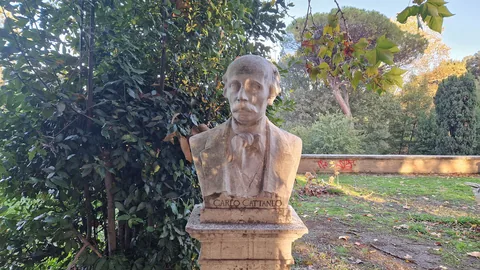
Cattaneo argued for a federal republic and treated practical knowledge as a means of social and political improvement.
Find on the mapPincio gardens
Fea worked to identify, excavate, and protect Rome’s antiquities during the upheavals of the Napoleonic period and papal restoration.
Find on the mapPincio gardens
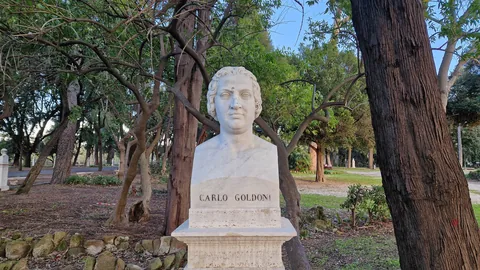
Goldoni developed written comedies from the practices of working theater and brought social observation into dramatic action.
Find on the mapPincio gardens
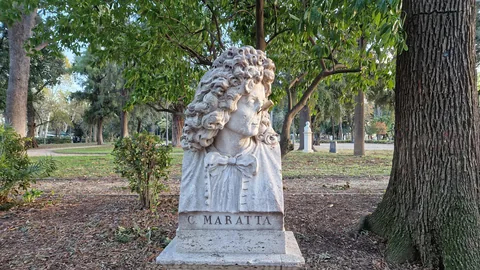
Maratta joined a major career in painting to the restoration of Raphael’s Roman frescoes.
Find on the mapPincio gardens
Del Prete combined navigation and piloting in the long-distance flights that made Italian aviation a public spectacle in the 1920s.
Find on the mapPincio gardens
Catherine of Siena used letters and religious authority to intervene in the politics of the fourteenth-century Church.
Find on the mapPincio gardens
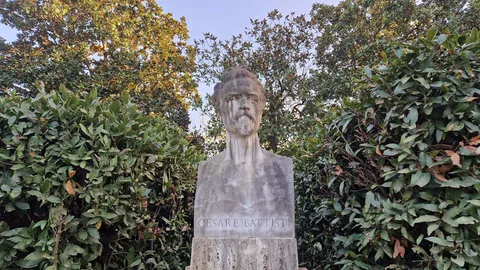
Battisti combined geographical research and socialist politics before volunteering for Italy and being executed by Austria-Hungary in 1916.
Find on the mapPincio gardens
Beccaria’s On Crimes and Punishments challenged torture, excessive penalties, and the arbitrary use of state power.
Find on the mapPincio gardens
A nineteenth-century Roman painter whose church frescoes and theater curtains brought historical drama to large public spaces.
Find on the mapPincio gardens
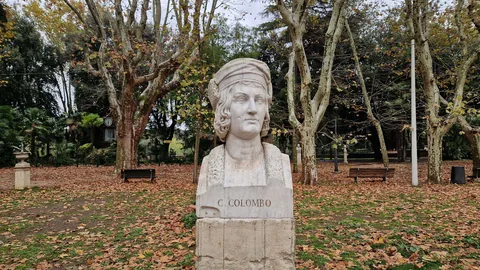
Columbus’s Atlantic voyages connected Europe and the Caribbean through navigation, conquest, colonization, and violence against Indigenous peoples.
Find on the mapPincio gardens
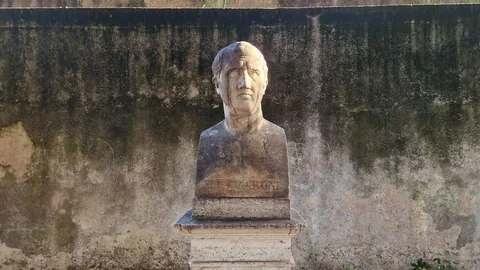
Cicero’s speeches and letters expose the arguments, ambitions, and compromises of Rome’s late Republic.
Find on the map