Pincio gardens · Nearby
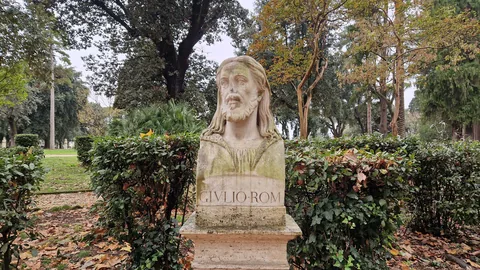
Giulio Romano
Raphael’s collaborator became a court artist in Mantua, where Palazzo Te turns classical order into theatrical surprise.
Find on the mapRead aloud with your device’s voice.
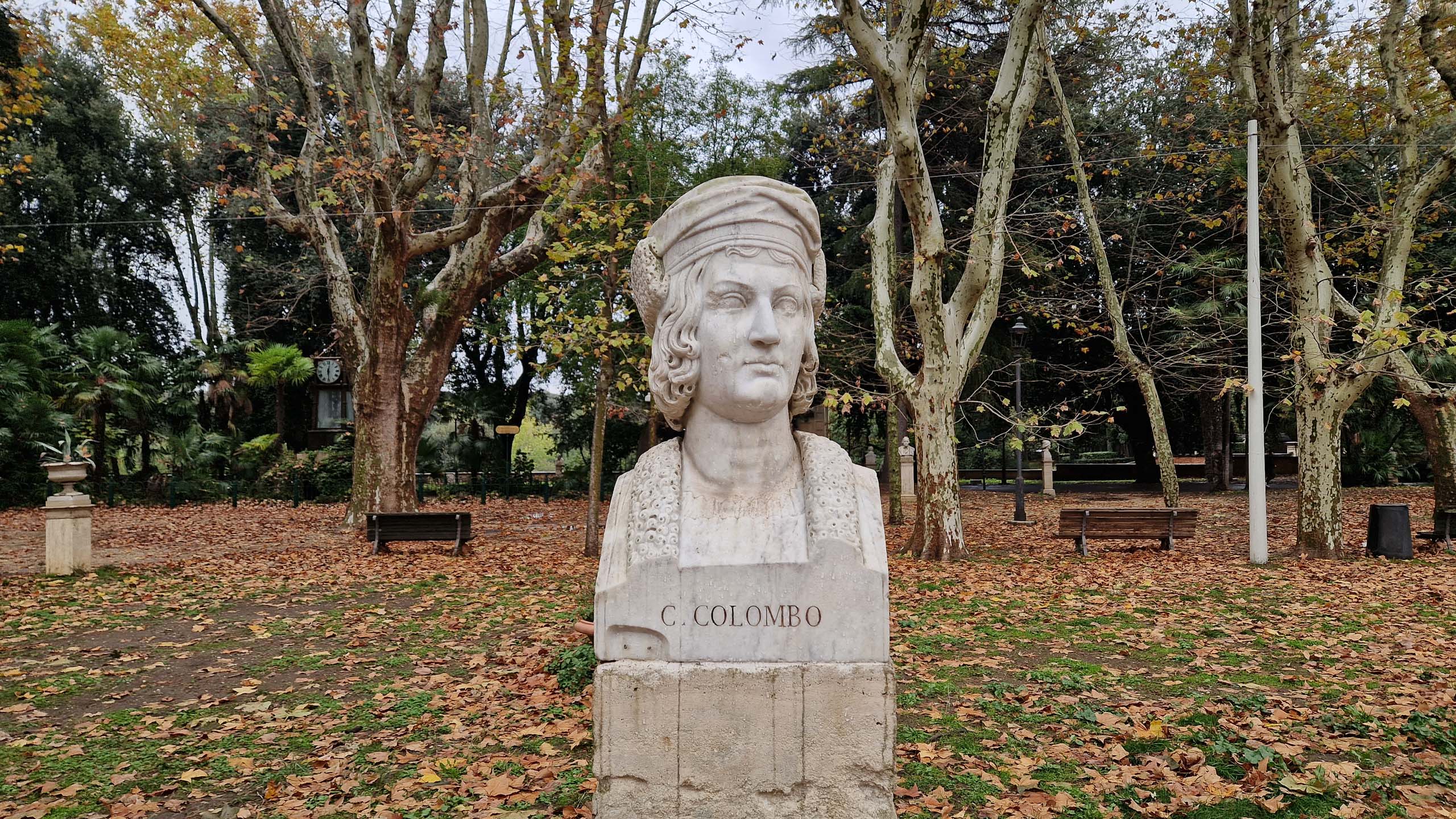
Christopher Columbus reached the Caribbean in 1492 while attempting to find a westward route to Asia. Born in Genoa in 1451, he sailed under the sponsorship of the Spanish monarchs Ferdinand and Isabella. The landfall began sustained contact that would transform societies on both sides of the Atlantic.
The islands were already home to Indigenous peoples, including the Taíno. Columbus's accounts describe encounters through the expectations of a navigator seeking wealth, royal favor, and converts. His voyages also initiated Spanish settlement and systems of coercion in the Caribbean, including the enslavement of Indigenous people.
He made four Atlantic voyages but continued to understand the lands he encountered in relation to Asia. The dispute before his first voyage concerned distances and the feasibility of the route, not a simple battle between a lone believer in a round earth and a world convinced it was flat.
Columbus died in 1506. Italian monuments later honored him as a navigator of Genoese origin. Reading those monuments today requires holding the navigational achievement together with conquest, violence, and the continuing histories of the peoples whose homelands the expeditions entered.
Pincio gardens · Nearby
Raphael’s collaborator became a court artist in Mantua, where Palazzo Te turns classical order into theatrical surprise.
Find on the mapPincio gardens · Nearby
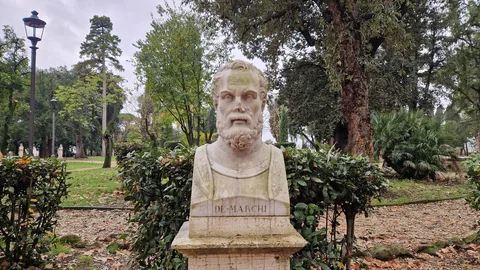
De Marchi studied fortifications, explored the submerged ships at Lake Nemi, and recorded an ascent of the Gran Sasso in 1573.
Find on the mapPincio gardens · Nearby
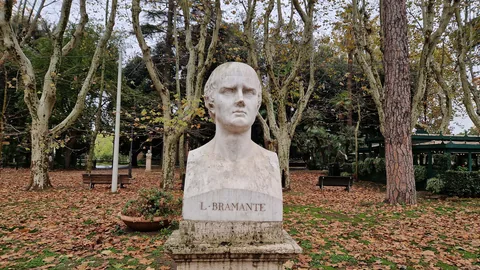
Donato Bramante used ancient Roman forms to rethink churches and helped launch the rebuilding of St. Peter’s in 1506.
Find on the mapPincio gardens · Nearby
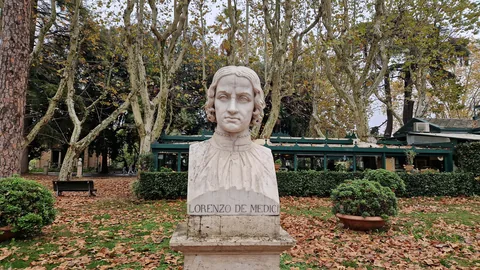
Lorenzo the Magnificent combined political control, diplomacy, poetry, and patronage in fifteenth-century Florence.
Find on the map