Pincio gardens · Nearby
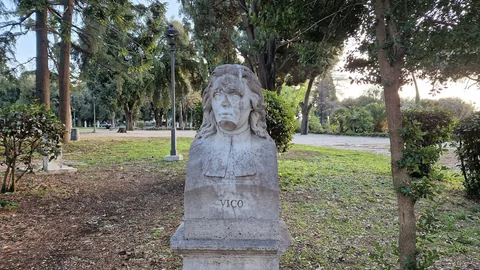
Giambattista Vico
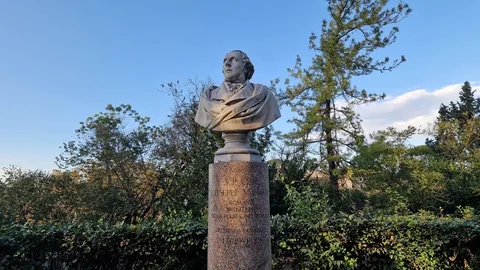
Vico used language and myth to investigate how people create the institutions and assumptions of their social world.
Find on the mapRead aloud with your device’s voice.
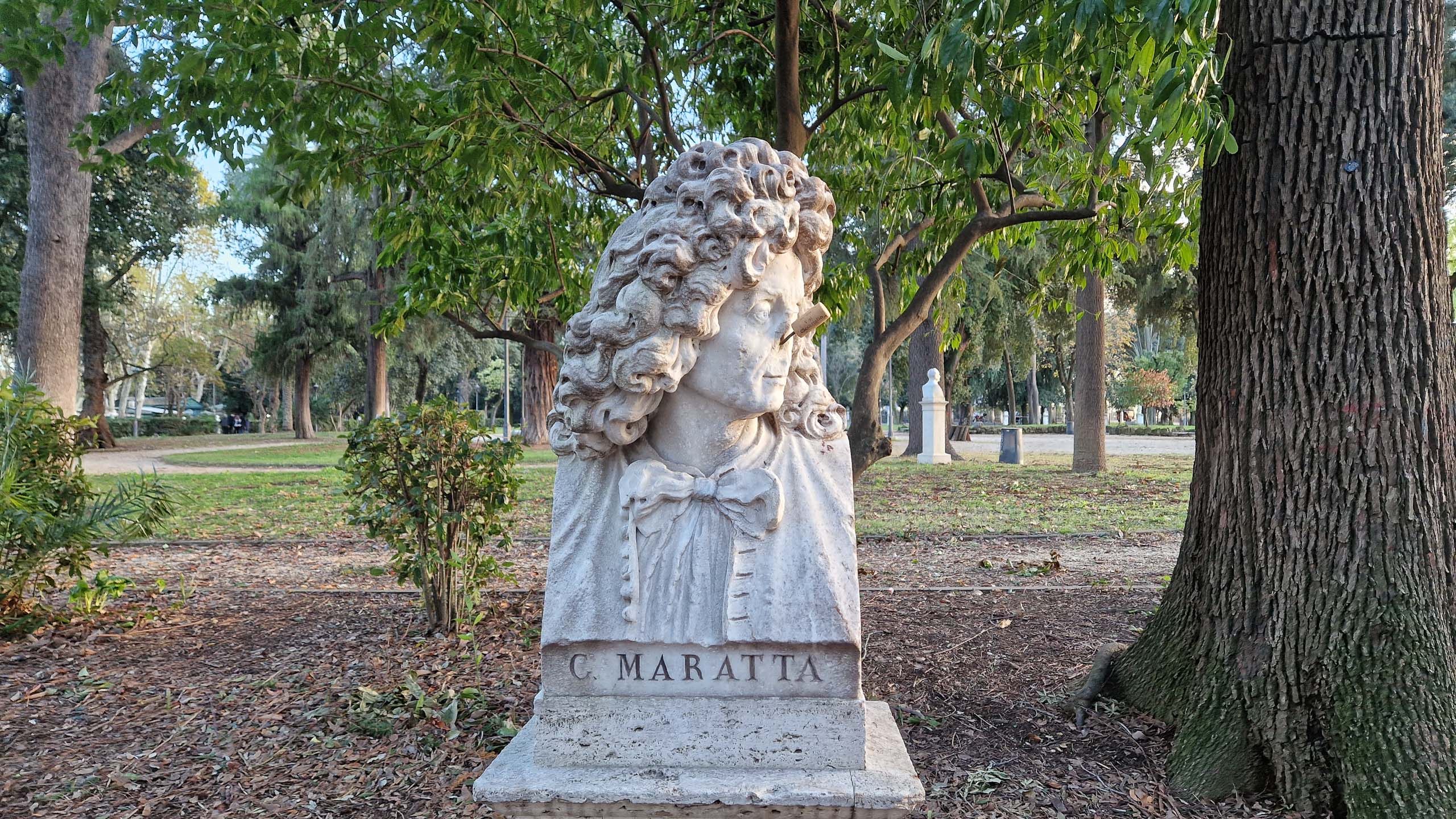
Carlo Maratta, also known as Carlo Maratti, built his Roman reputation on a controlled interpretation of the classical tradition. Trained in Andrea Sacchi’s workshop, he studied Raphael closely and made clarity of composition central to large religious pictures. His approach supplied one influential alternative within the varied painting of seventeenth-century Rome.
He was born in Camerano in 1625 and spent most of his long career in Rome. Papal commissions and his position in the Accademia di San Luca gave his judgments institutional weight. Work with landscape specialists also shows a collaborative side of his practice: one artist could supply figures within another’s setting.
His involvement with Raphael extended to physical care of the works. Maratta and his collaborators restored frescoes at the Farnesina and in the Vatican, where intervention could include securing unstable plaster as well as repairing damaged paint. The methods belong to their period and should not automatically be equated with current conservation standards.
Maratta died in 1713. To understand his place in Rome, consider the artist who made new images alongside the custodian who changed how older ones survived.
Pincio gardens · Nearby
Vico used language and myth to investigate how people create the institutions and assumptions of their social world.
Find on the mapPincio gardens · Nearby
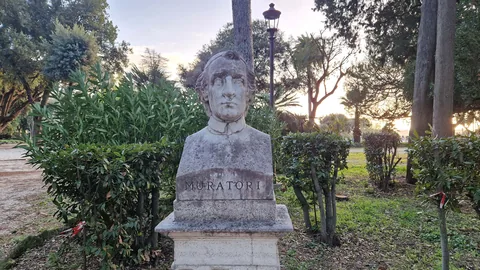
Muratori made medieval chronicles and documents available in large editions that changed the basis of historical research.
Find on the mapPincio gardens · Nearby
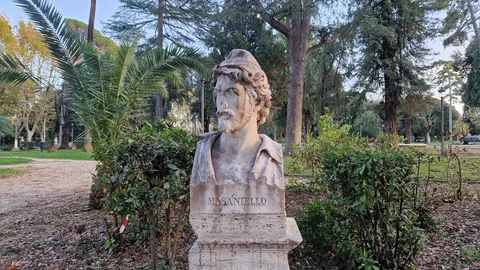
Masaniello’s brief leadership of the 1647 Naples revolt became a lasting image of popular resistance to taxation.
Find on the mapPincio gardens · 29 m away
Valadier helped shape the Pincio and Piazza del Popolo, while his restorations made ancient monuments part of modern Rome.
Find on the map