Pincio gardens · Nearby
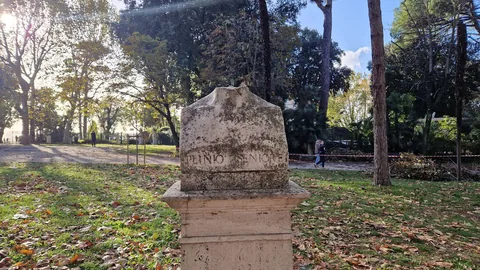
Pliny the Elder
A Roman writer and fleet commander whose Natural History preserves ancient knowledge about the natural world and the arts.
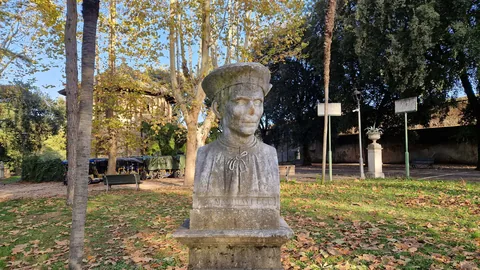
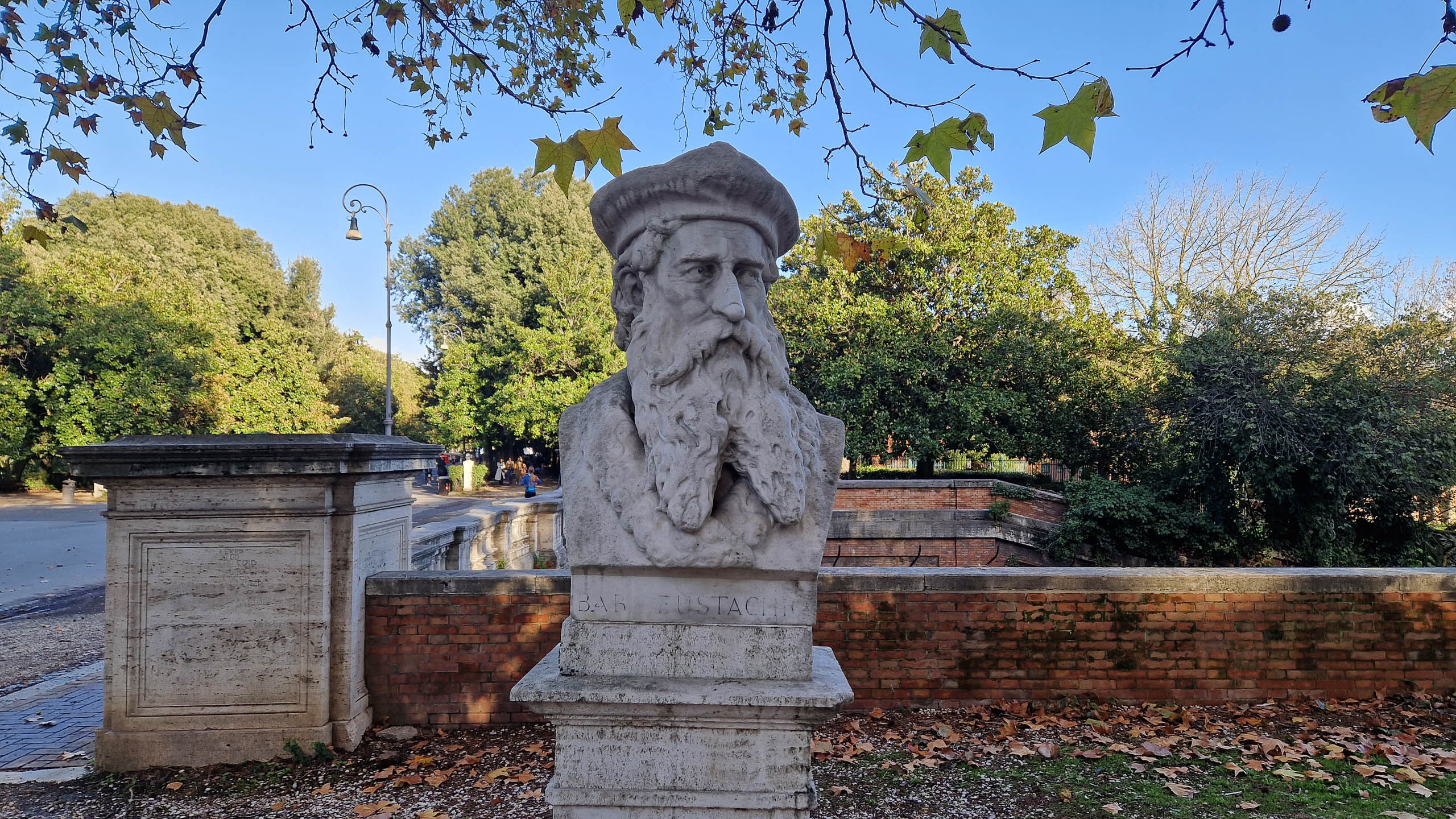
Find on the mapOur catalog contains two photographs of busts dedicated to Eustachio. Compare the portraits before choosing a marker; their mapped positions still need field verification.
Read aloud with your device’s voice.
Bartolomeo Eustachio’s anatomical images had a career longer than his own. He prepared a large set of plates in the sixteenth century, but their full publication waited until 1714. Giovanni Maria Lancisi recovered and edited them more than a century after Eustachio’s death in 1574.
Eustachio worked as a physician and anatomist in Rome. His name survives in the Eustachian tube, the passage that connects the middle ear with the upper throat. That familiar anatomical label represents only a small part of investigations that also examined the kidneys, teeth, and other structures of the body.
The publication history matters. A detailed image can preserve an observation while remaining unavailable to the people who might use it. Comparing Eustachio with Lancisi, who also has a bust in the Pincio, connects anatomical research with the work of finding, editing, and circulating older knowledge. Eustachio’s birth year remains uncertain; sources place it between about 1500 and 1510.
Pincio gardens · Nearby
A Roman writer and fleet commander whose Natural History preserves ancient knowledge about the natural world and the arts.
Find on the mapPincio gardens · Nearby
Machiavelli examined power through both princely rule and republican government, drawing on years of Florentine public service.
Find on the mapPincio gardens · Nearby
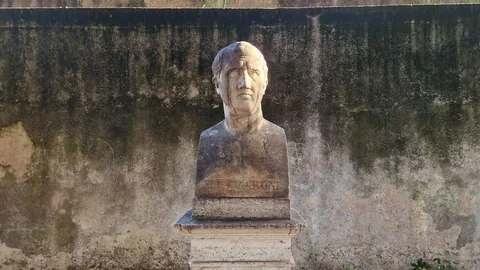
Cicero’s speeches and letters expose the arguments, ambitions, and compromises of Rome’s late Republic.
Find on the mapPincio gardens · Nearby
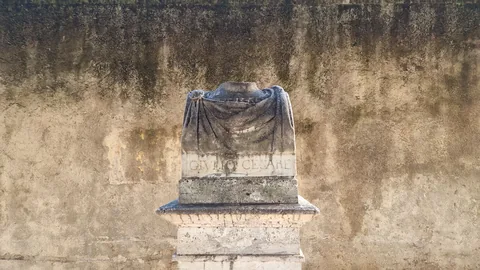
Caesar used conquest, political alliances, and civil war to gain powers that the Republican system could no longer contain.
Find on the map