Pincio gardens · Nearby
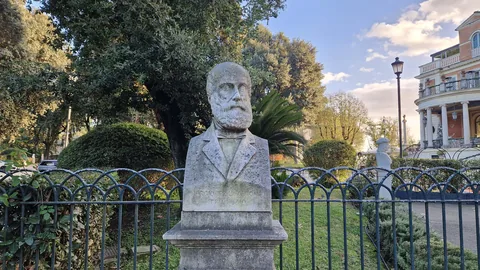
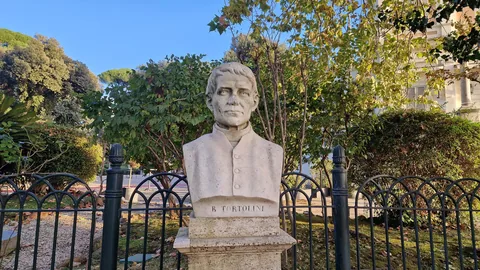
Barnaba Tortolini
Tortolini taught mathematics in Rome and founded a scientific journal that connected Italian researchers with colleagues abroad.
Find on the mapRead aloud with your device’s voice.
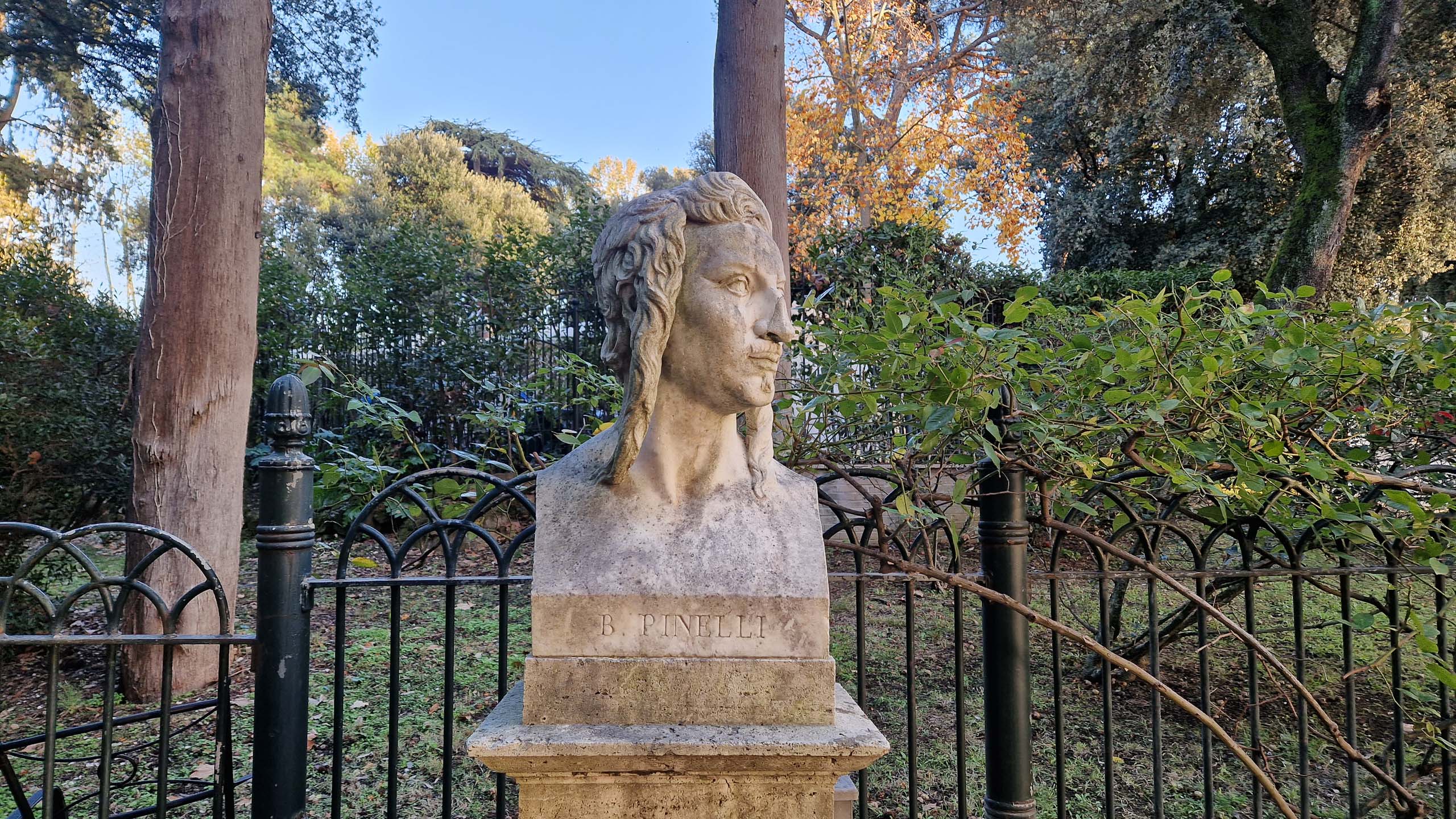
Bartolomeo Pinelli gave Rome's street life an audience beyond the city. Born in Trastevere in 1781, he trained in drawing and sculpture before becoming known for prints, watercolors, and small terracotta figures. His subjects included workers, musicians, dancers, and people gathered in taverns or public spaces.
The figures are active. A raised arm, a turn of the head, or a fold of clothing helps establish a character and a story. Pinelli also supplied people for other artists' views of Rome, including the prints of Luigi Rossini, where everyday activity gives scale and drama to ancient buildings.
These images are valuable records of clothing and social types, but they are composed scenes made for an art market. Collectors and travelers expected a recognizable version of Roman popular life, and Pinelli's work helped shape that expectation. His illustrations of literary and historical subjects drew on the same ability to organize action.
He died in Rome in 1835. Looking at his work alongside the park's formal portraits brings two kinds of public image into view: the named individual honored in marble and the unnamed Roman whose gestures animate a printed scene.
Pincio gardens · Nearby
Tortolini taught mathematics in Rome and founded a scientific journal that connected Italian researchers with colleagues abroad.
Find on the mapPincio gardens · Nearby
Pallavicino moved from anti-Austrian conspiracy to a campaign for Italian unity under the Savoy monarchy.
Find on the mapPincio gardens · Nearby
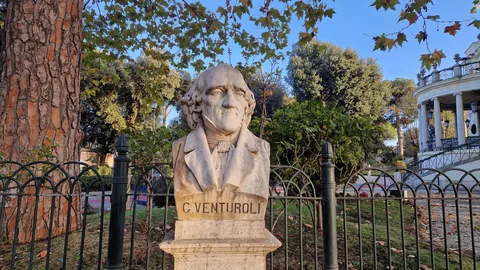
Venturoli applied mathematics to hydraulics and helped train engineers for public works in the Papal States.
Find on the mapPincio gardens · Nearby
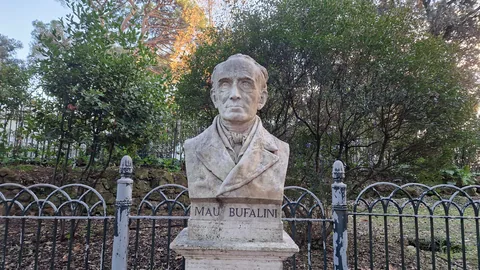
Bufalini challenged speculative medical systems and made close observation central to his teaching of pathology.
Find on the map