Pincio gardens · Nearby
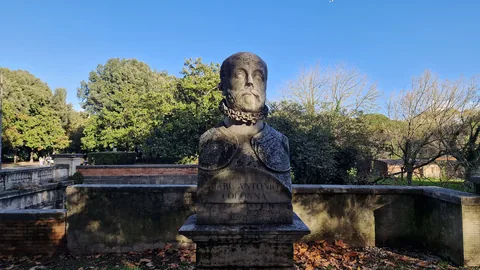
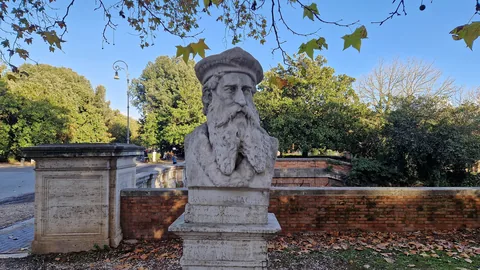
Bartolomeo Eustachio
The anatomist behind the Eustachian tube, whose major anatomical plates reached print long after his death.
Find on the mapRead aloud with your device’s voice.
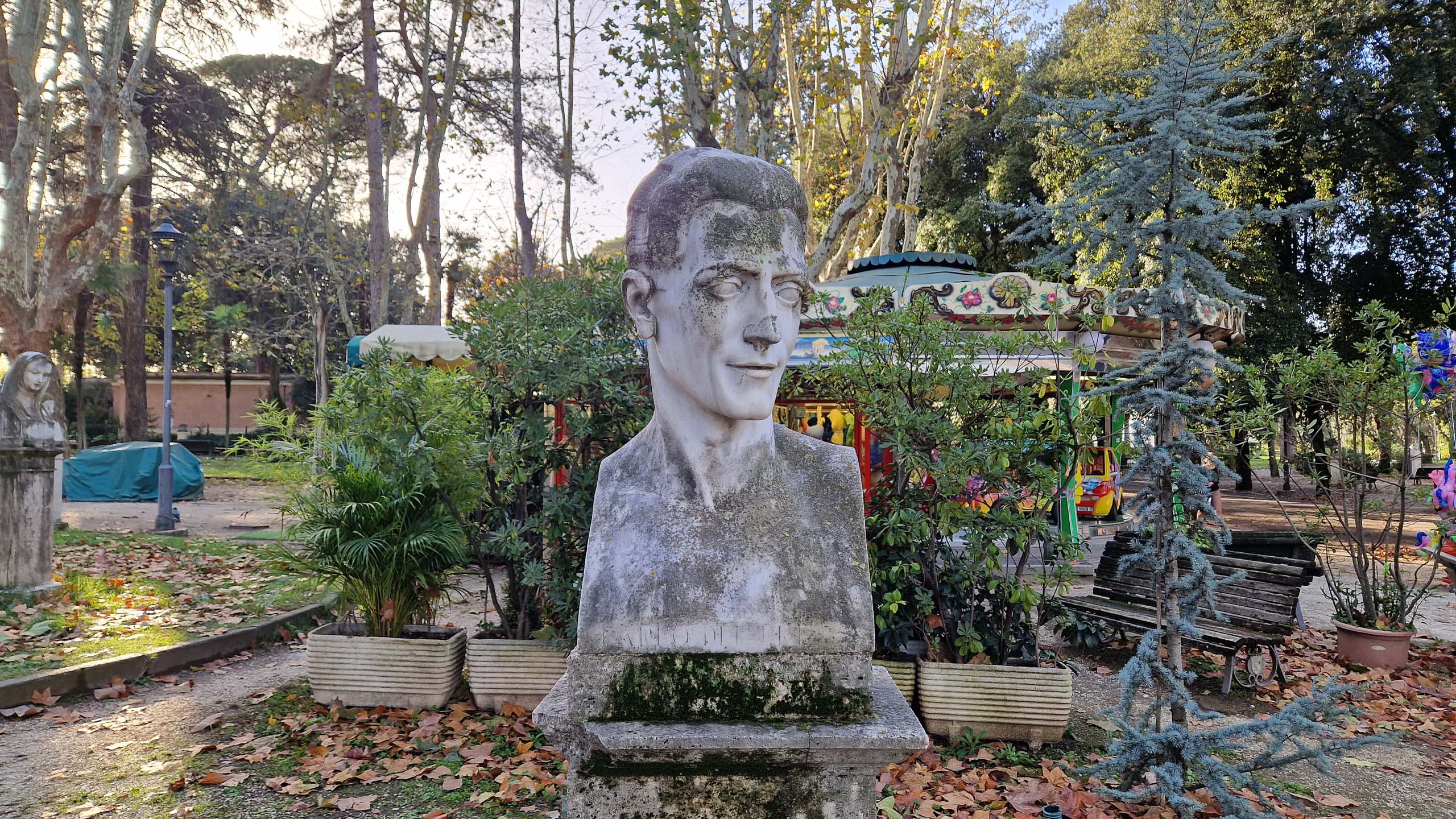
Carlo del Prete’s long-distance flights depended on navigation as much as flying skill. In 1927, he served as navigator and second pilot with Francesco de Pinedo on an extensive journey through the Americas. Mechanic Vitale Zacchetti was the third member of the crew. The expedition was a coordinated undertaking, although public commemoration often concentrated on the pilots.
Born in Lucca in 1897, Del Prete went on to fly with Arturo Ferrarin in 1928. They set endurance and distance records in a closed circuit and then crossed the Atlantic from Italy to Brazil. A closed-circuit record measures repeated flight over a defined course; it is different from a record for reaching a distant destination.
Del Prete died in Rio de Janeiro in August 1928 after injuries sustained in a subsequent aircraft accident. He did not die during the successful Atlantic crossing.
These flights tested aircraft and crews while also serving the Fascist state’s presentation of Italy as a modern technological power. The engineering achievement and its political promotion belong in the same account. Neither requires the claim that an individual pilot acted without a supporting team.
Pincio gardens · Nearby
The anatomist behind the Eustachian tube, whose major anatomical plates reached print long after his death.
Find on the mapPincio gardens · Nearby
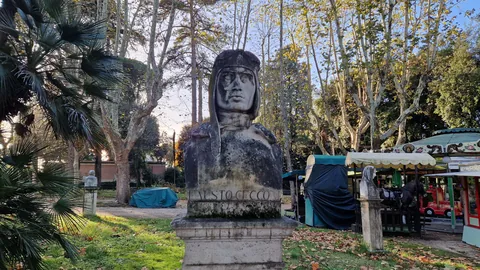
The commander of the papal fleet at Lepanto, whose career linked Roman noble power with Spanish service.
Find on the mapPincio gardens · Nearby
Cecconi flew with Umberto Maddalena in endurance trials that tested how long an aircraft and its crew could remain aloft.
Find on the mapPincio gardens · Nearby
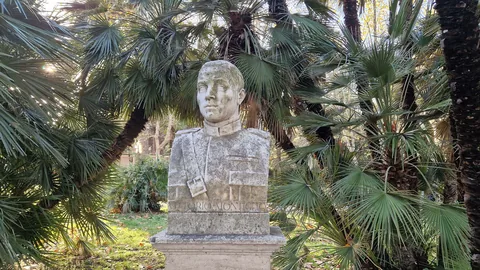
Montiglio’s wartime service and later Fascist activism belong together in the history behind his commemorative portrait.
Find on the map