Pincio gardens · Nearby
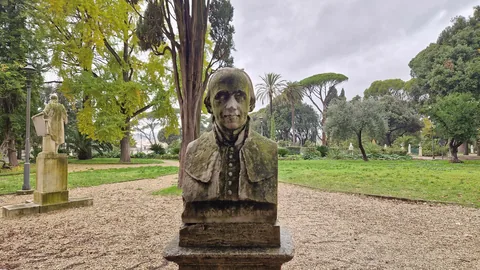
Feliciano Scarpellini
Scarpellini organized experimental science in Rome and helped revive the name of the Lincei in the early nineteenth century.
Find on the mapRead aloud with your device’s voice.
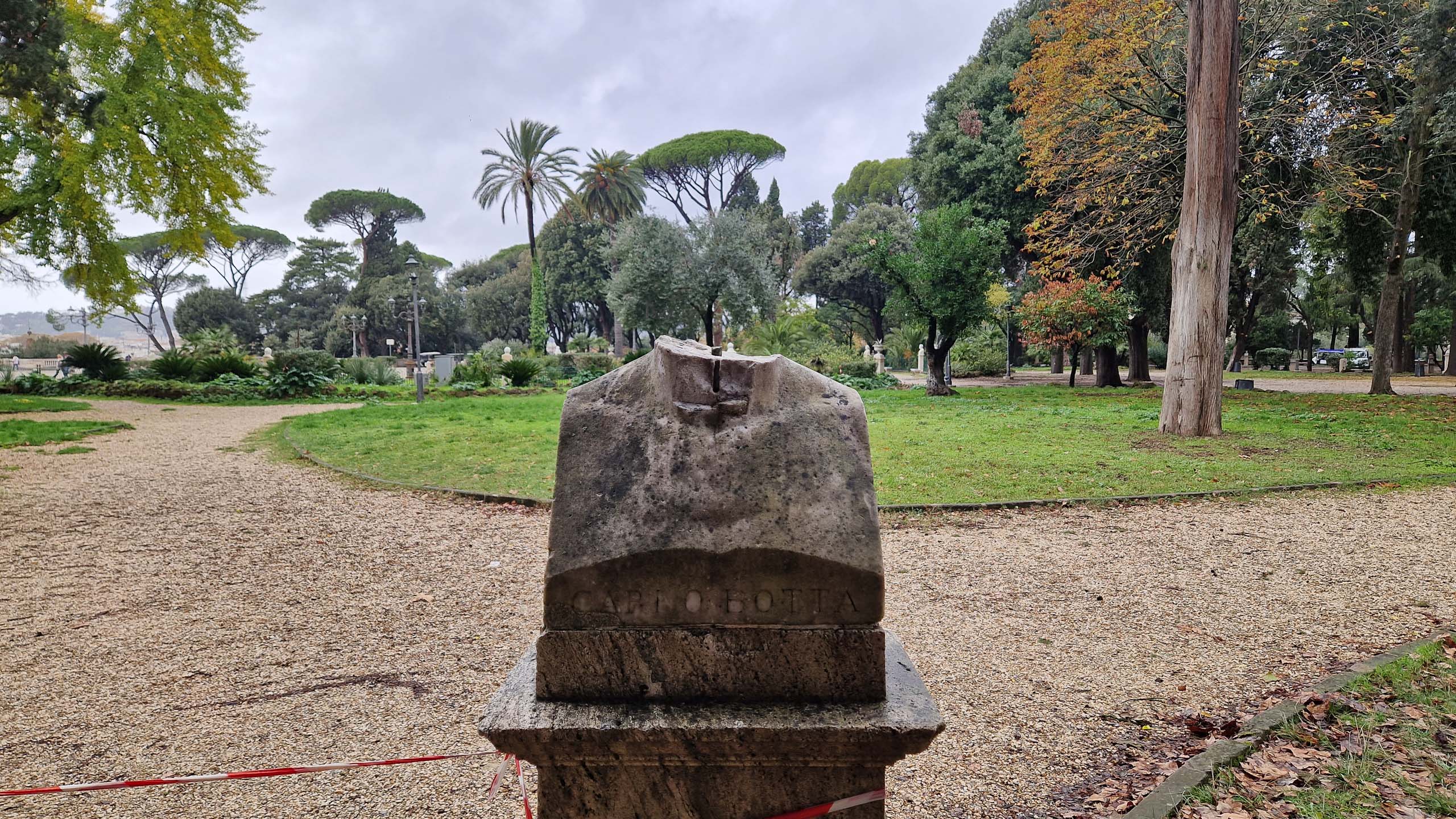
Carlo Botta wrote about revolutions after living through one. Born in Piedmont in 1766, he trained as a physician, supported revolutionary ideas, and served with the French army in Italy. Political office and periods of exile followed as control of the region changed.
His history of the American War of Independence, published in 1809, introduced that conflict to readers through an Italian literary and political framework. Botta had not witnessed the American events. His narrative was constructed from available accounts and shaped by his own understanding of civic action and liberty.
He later examined the upheavals of Italy between 1789 and 1814, a period much closer to his own experience. Classical models influenced the form and language of his historical writing, including the presentation of public action and political character.
Botta died in Paris in 1837. His work is useful both as history and as evidence of how Europeans interpreted revolution: the choice of episodes and the shape of a narrative reveal the concerns of the writer as well as those of the people being described.
Pincio gardens · Nearby
Scarpellini organized experimental science in Rome and helped revive the name of the Lincei in the early nineteenth century.
Find on the mapPincio gardens · Nearby
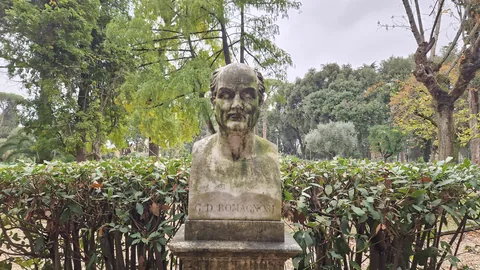
Romagnosi examined punishment, administration, and social development, linking legal thought to the study of human society.
Find on the mapPincio gardens · 35 m away
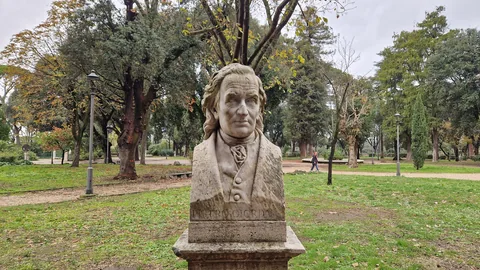
Giordani defended Italian literary tradition and became an important correspondent and early supporter of Giacomo Leopardi.
Find on the mapPincio gardens · 35 m away
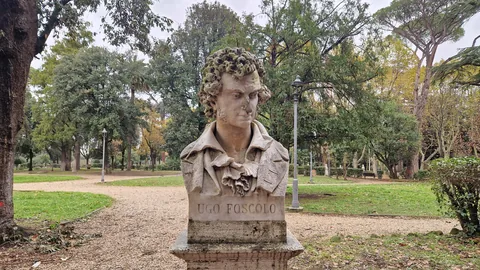
Foscolo made exile, political disappointment, and the power of remembrance central subjects of Italian poetry and fiction.
Find on the map