Pincio gardens · Nearby
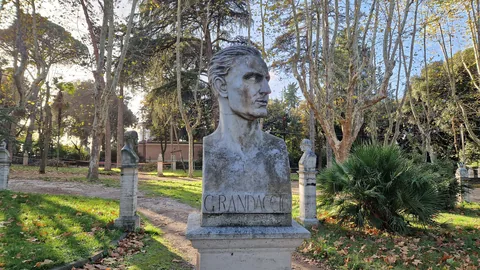
Giovanni Randaccio
An infantry major killed near the Timavo in 1917, Randaccio became a prominent figure in Italy’s memory of the First World War.
Find on the mapRead aloud with your device’s voice.
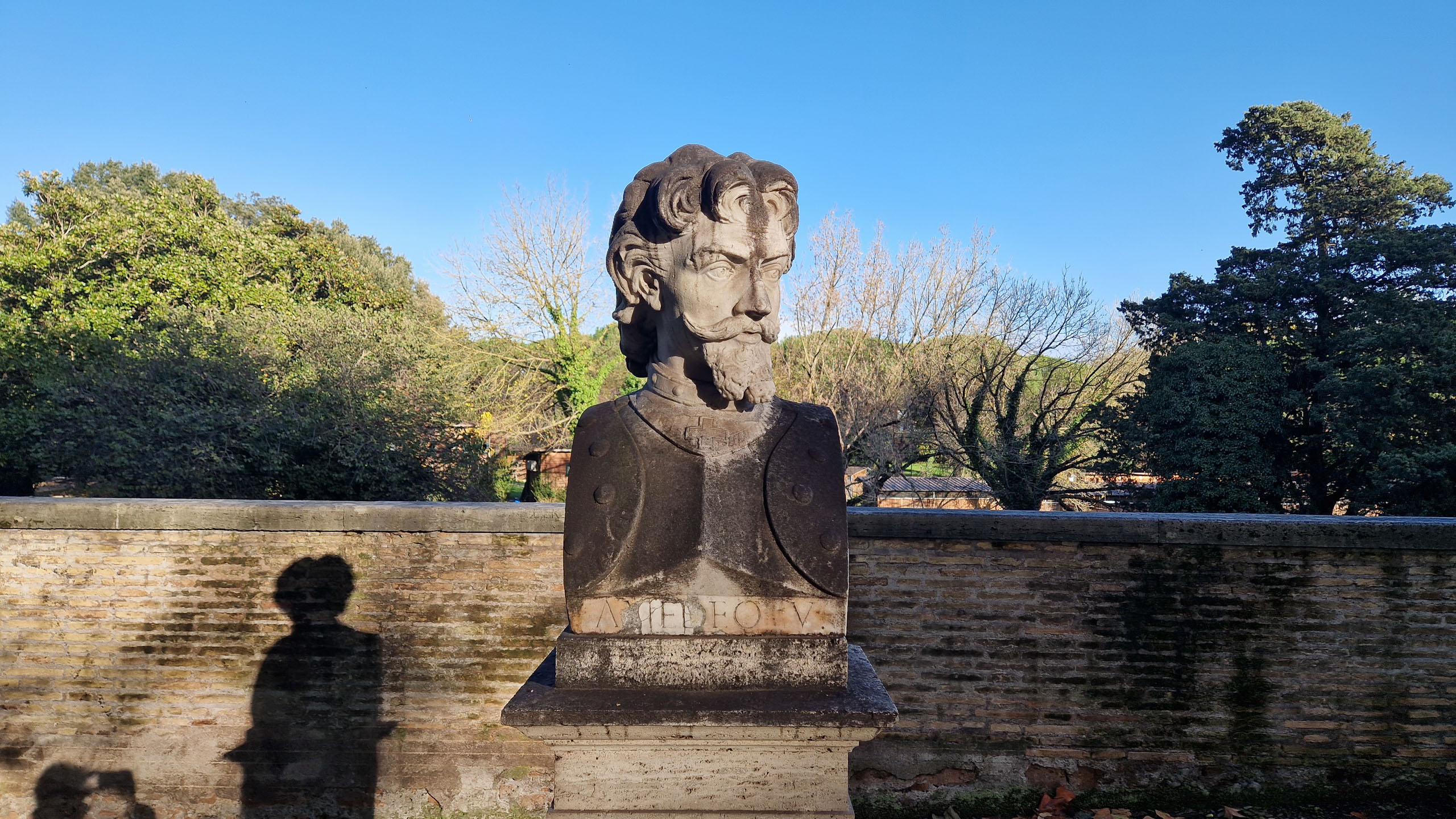
Amadeus V became count of Savoy in 1285 after the death of his uncle Philip I. The succession required negotiation among competing members of the family, including claims that had developed after his father Thomas’s death decades earlier.
Born around 1253, Amadeus ruled lands whose connections crossed the Alps and the boundaries of modern states. His marriage to Sibylle of Bâgé brought a claim to Bresse into the family’s affairs. Relations with the French and English royal courts required careful adjustment as those monarchies came into conflict.
He also supported Henry VII’s expedition into Italy and received imperial authority in Lombardy. These titles strengthened his position, but a grant on paper did not automatically deliver control of a city or territory. His ambitions met resistance from neighboring rulers and rival branches of his own dynasty.
The House of Savoy later ruled the Kingdom of Italy. That later outcome gives the Pincio commemoration a dynastic significance, but it should not make Amadeus a participant in a national unification project six centuries before it occurred. His political world was organized around lordship and inheritance.
Pincio gardens · Nearby
An infantry major killed near the Timavo in 1917, Randaccio became a prominent figure in Italy’s memory of the First World War.
Find on the mapPincio gardens · Nearby
A teacher and draftsman who helped shape nineteenth-century Rome’s turn toward earlier Italian religious art.
Find on the mapPincio gardens · Nearby
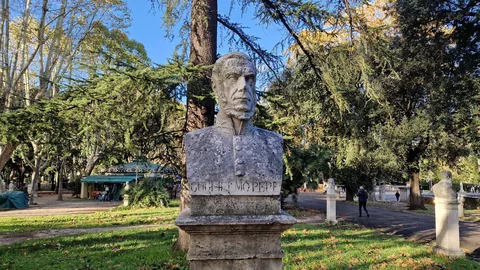
Visconti Venosta guided Italian foreign policy through the Roman question, European alliances, and a later rapprochement with France.
Find on the mapPincio gardens · Nearby
A southern Italian general whose campaigns connected the constitutional revolution in Naples with the defense of Venice.
Find on the map