Pincio gardens · Nearby
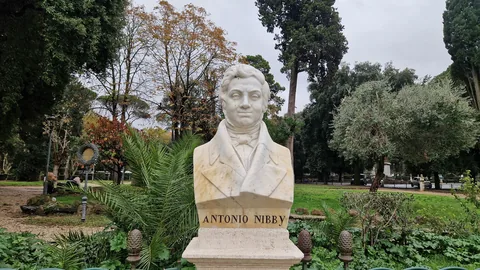
Antonio Nibby
Nibby combined ancient texts, inscriptions, and fieldwork to reconstruct the topography of Rome and its surrounding countryside.
Find on the mapRead aloud with your device’s voice.
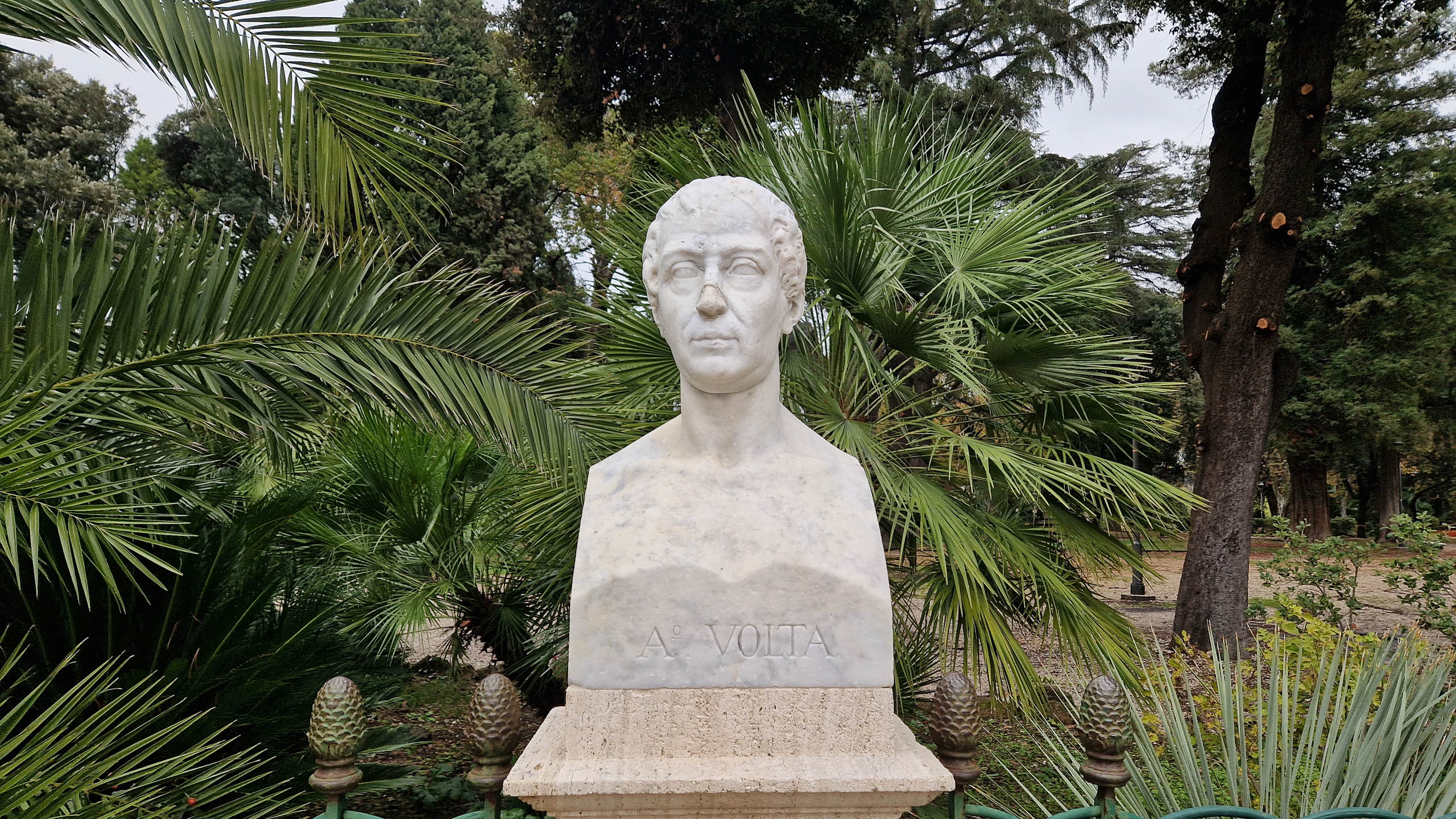
Alessandro Volta changed what an electrical experiment could do. Earlier devices commonly produced charges and brief discharges; the electric pile supplied a continuing current for a useful period. Volta announced the invention in 1800.
Born in Como in 1745, he built a career in experimental physics and taught at Pavia. His investigation of electricity developed through instruments, repeated trials, and debate with Luigi Galvani over the role of animal tissue and metals in electrical effects.
The pile stacked different metals with moist conducting material between them. Its operation is understood today through electrochemical reactions, though Volta's own explanation emphasized contact between metals. The success of an apparatus and the correctness of every part of its inventor's theory are separate questions.
Volta died in 1827. The unit of electric potential, the volt, preserves his name, but the historical significance of the pile lies in the experiments it made possible: researchers could now study effects that demanded a sustained current.
Pincio gardens · Nearby
Nibby combined ancient texts, inscriptions, and fieldwork to reconstruct the topography of Rome and its surrounding countryside.
Find on the mapPincio gardens · 23 m away
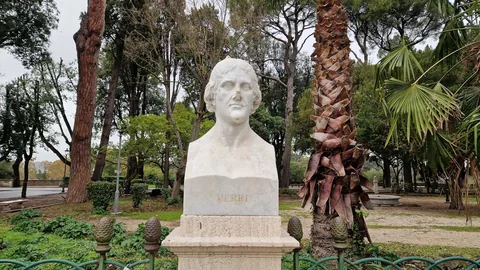
Verri moved from Milanese Enlightenment journalism to historical fiction inspired by the ancient remains of Rome.
Find on the mapPincio gardens · 23 m away
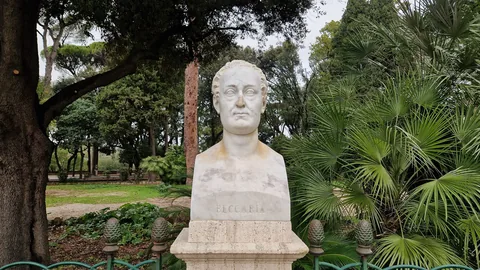
Beccaria’s On Crimes and Punishments challenged torture, excessive penalties, and the arbitrary use of state power.
Find on the mapPincio gardens · 23 m away
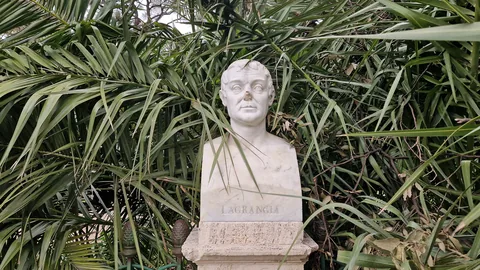
Lagrange developed mathematical methods that expressed mechanics through general equations rather than separate solutions for each machine or motion.
Find on the map