Pincio gardens · Nearby
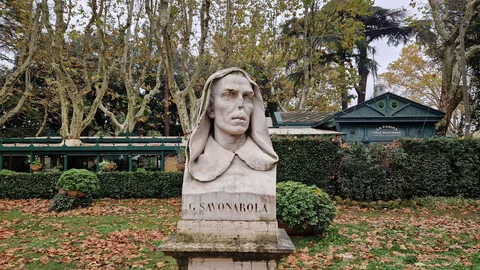
Girolamo Savonarola
Savonarola’s preaching joined religious reform to Florentine politics before his conflict with papal authority ended in execution in 1498.
Find on the mapRead aloud with your device’s voice.
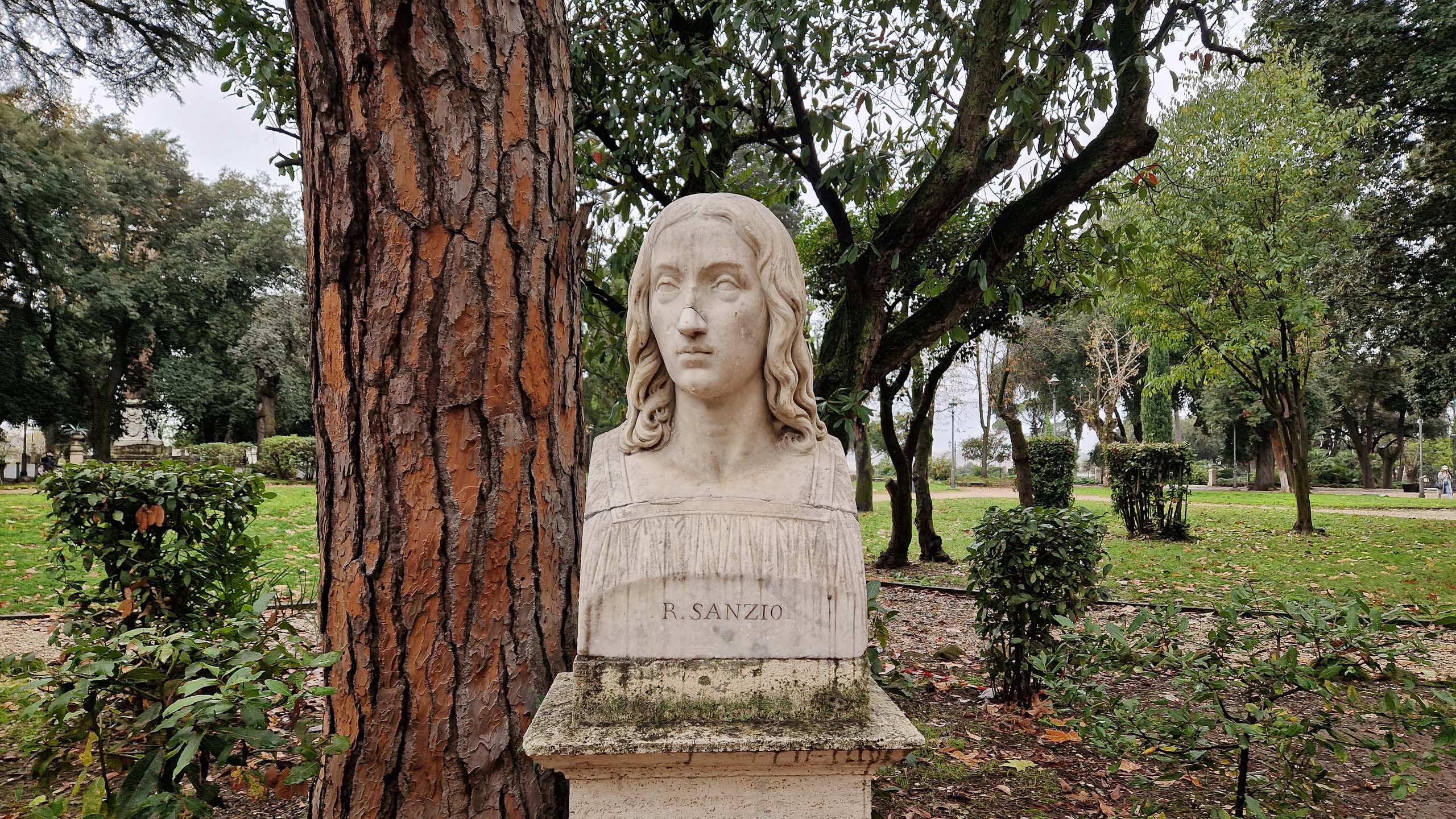
Raphael made complicated groups of people appear intelligible. In the School of Athens, painted for Julius II in the Vatican, philosophers gather within an immense architectural setting. Plato and Aristotle occupy the center, but smaller exchanges unfold around them through books, diagrams, gestures, and attentive faces.
Born in Urbino in 1483, Raphael learned from the painting of central Italy and from the work of Leonardo and Michelangelo in Florence. In Rome he developed an increasingly large workshop to meet commissions for frescoes, altarpieces, portraits, prints, and decorative projects. Collaboration was part of the practice that made this range possible.
His paintings of the Madonna often organize intimate relationships through the position of hands and the direction of a glance. The balance looks effortless. Planning is easy to overlook. Preparatory drawings show him testing arrangements rather than arriving at every composition fully formed.
Raphael also worked as an architect and took an interest in the recording and protection of ancient Rome. He died in 1520 and was buried in the Pantheon. His reputation for harmony should leave room for the active work behind it: study, revision, negotiation with patrons, and the coordination of other artists.
Pincio gardens · Nearby
Savonarola’s preaching joined religious reform to Florentine politics before his conflict with papal authority ended in execution in 1498.
Find on the mapPincio gardens · Nearby
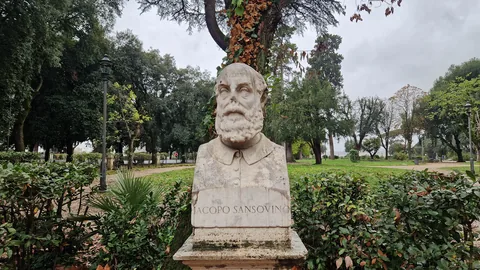
Sansovino reshaped the civic center of Venice through architecture that joined classical forms, sculpture, and public ceremony.
Find on the mapPincio gardens · Nearby
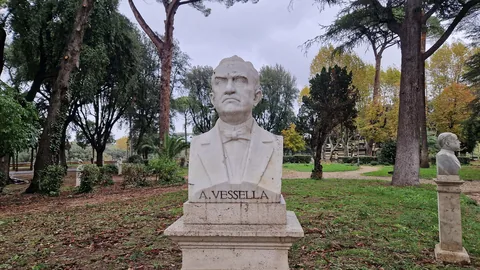
Vessella directed Rome’s municipal band and used arrangements and public concerts to bring a broad musical repertoire to the city.
Find on the mapPincio gardens · Nearby
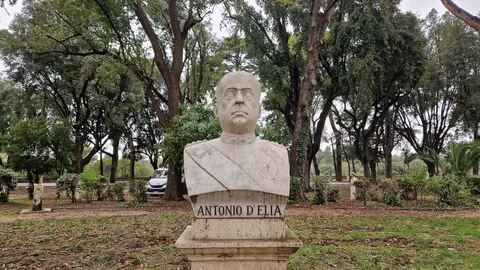
D’Elia directed civic and military bands and wrote music and studies that drew on his training as a clarinetist.
Find on the map