Pincio gardens · Nearby
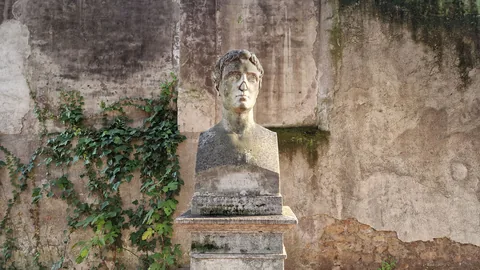
Lucretius
A Roman poet who used Epicurean explanations of nature to confront fear of the gods and of death.
Find on the mapRead aloud with your device’s voice.
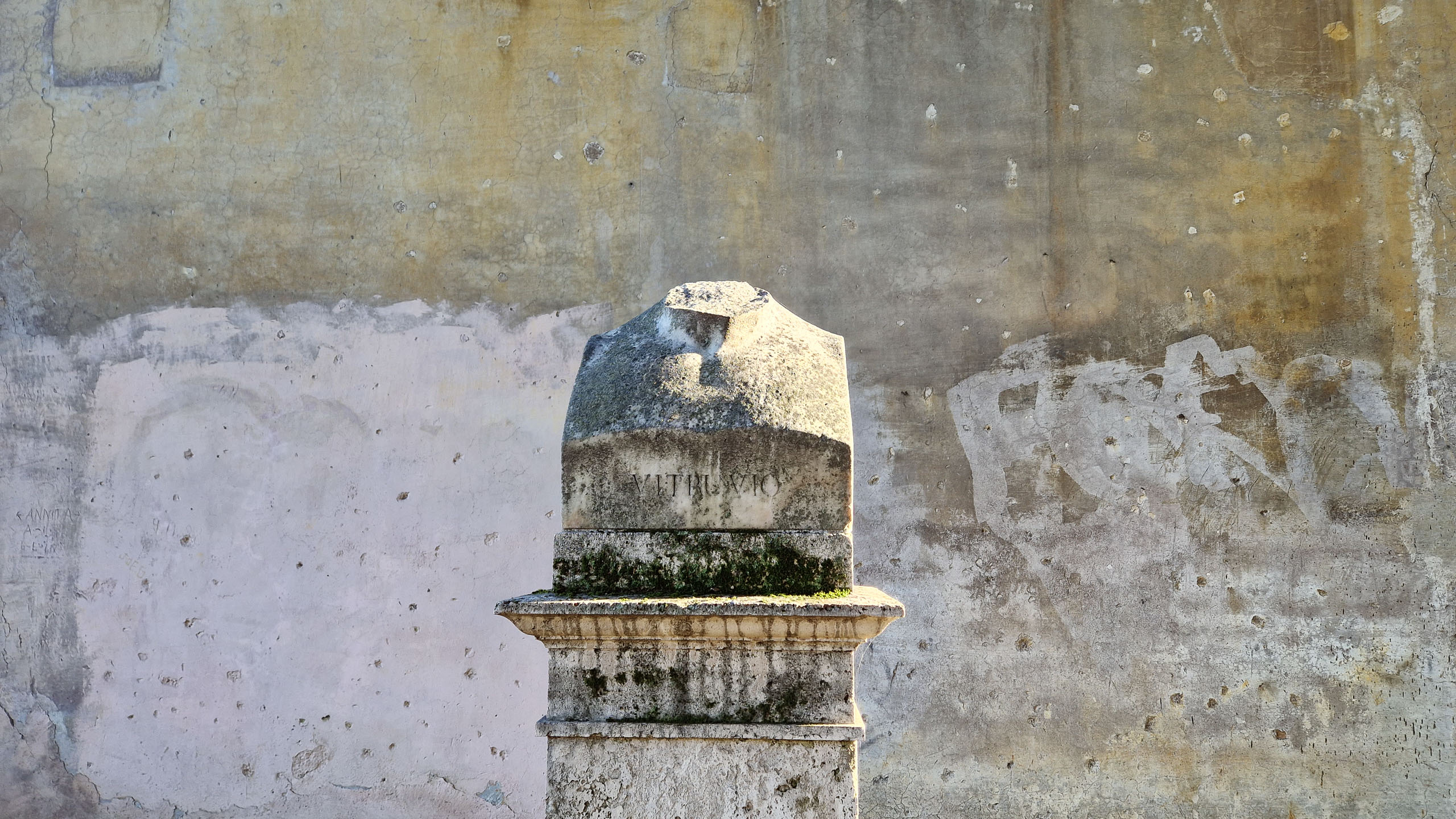
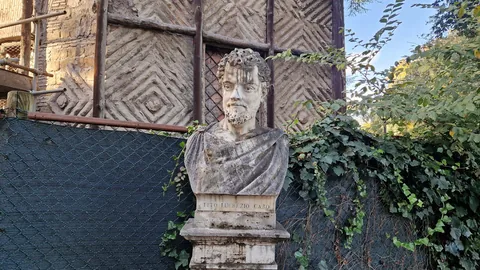
Vitruvius treated architecture as an unusually broad field of knowledge. His ten-book De architectura discusses temples and houses, but also water supplies, building materials, acoustics, and machines. For him, a building belonged to a network of practical skills rather than to a purely visual art.
The details of his life are uncertain. He wrote in the late Roman Republic and the age of Augustus, drawing on Greek architectural learning and Roman technical experience. The treatise’s survival gives historians access to ancient explanations of how structures were planned and made, even when the structures themselves have disappeared.
Renaissance architects returned to this text while studying the physical remains of Rome. Its accounts of proportions and architectural orders supplied a vocabulary for interpreting those ruins. Reading Vitruvius therefore involves two histories: the ancient practices he described and the later buildings created by people trying to understand him.
Pincio gardens · Nearby
A Roman poet who used Epicurean explanations of nature to confront fear of the gods and of death.
Find on the mapPincio gardens · Nearby
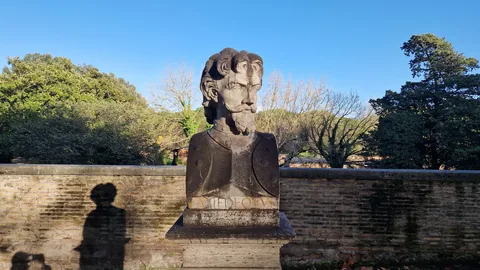
Horace adapted Greek lyric forms to Roman life, writing about friendship and mortality within the political world of Augustus.
Find on the mapPincio gardens · Nearby
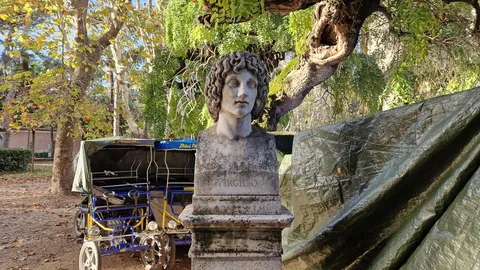
The poet of the Aeneid, whose account of Aeneas made displacement, war, and loss part of Rome’s origin story.
Find on the mapPincio gardens · Nearby
Amadeus V governed Savoy through disputed inheritance, marriage alliances, and negotiation across the Alps.
Find on the map