Pincio gardens · Nearby
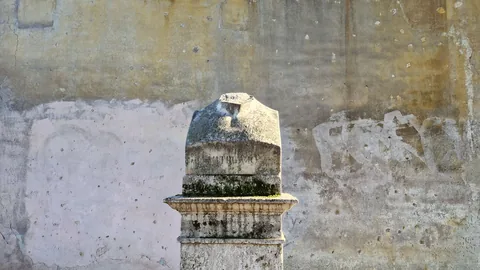
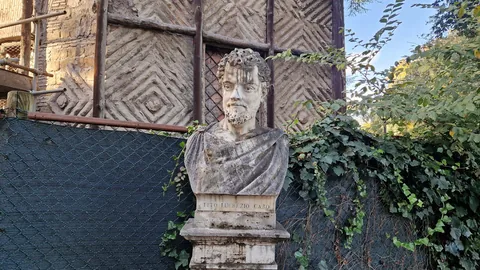
Lucretius
A Roman poet who used Epicurean explanations of nature to confront fear of the gods and of death.
Find on the mapRead aloud with your device’s voice.
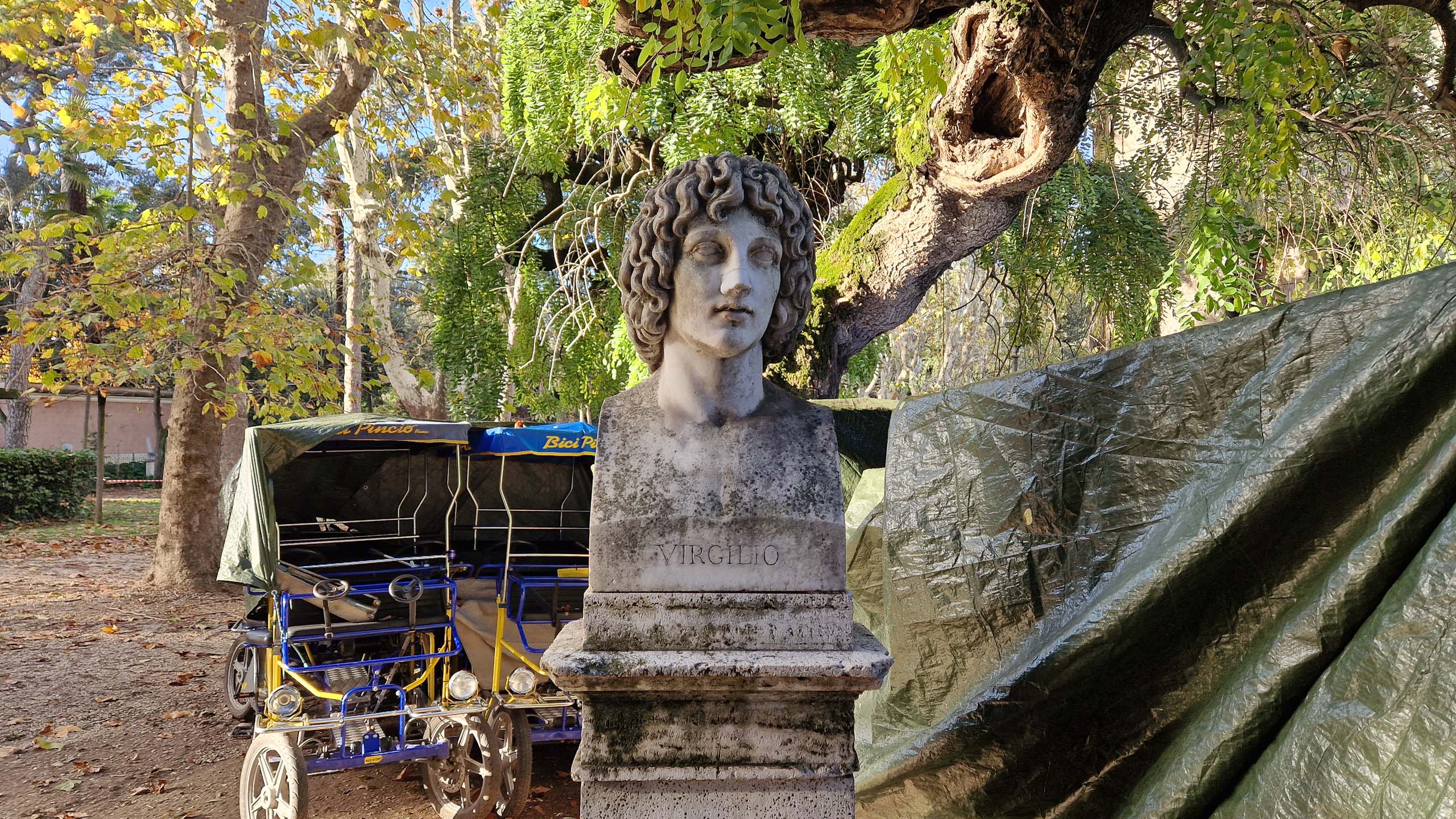
Virgil gave Rome an origin story that begins with refugees. In the Aeneid, Aeneas escapes the destruction of Troy and travels toward Italy. The future of Rome depends on that movement, but the poem repeatedly returns to what its characters lose along the way.
Born near Mantua in 70 BCE, Virgil also wrote the Eclogues and the Georgics. Pastoral song and agricultural labor link those poems to the countryside, while war and political change press into their imagined rural worlds. His writing belonged to the period in which the civil wars gave way to Augustus’s rule.
The Aeneid supported a Roman account of destiny without making the experience of conquest emotionally simple. That is an interpretation to test in the poem’s individual encounters, rather than a reason to treat every character as a political symbol. Virgil died in 19 BCE. His later place as Dante’s guide through Hell and much of Purgatory made a pagan Roman poet a central presence in a Christian account of the afterlife.
Pincio gardens · Nearby
A Roman poet who used Epicurean explanations of nature to confront fear of the gods and of death.
Find on the mapPincio gardens · Nearby
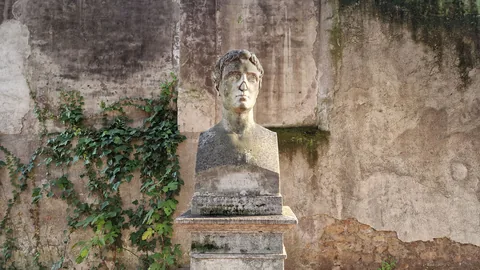
The Roman author of a ten-book work on architecture that connects buildings with materials, water, machines, and human proportions.
Find on the mapPincio gardens · Nearby
Horace adapted Greek lyric forms to Roman life, writing about friendship and mortality within the political world of Augustus.
Find on the mapPincio gardens · 22 m away
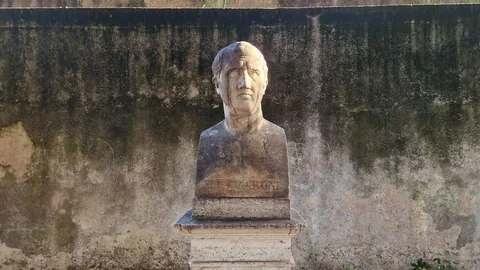
Cicero’s speeches and letters expose the arguments, ambitions, and compromises of Rome’s late Republic.
Find on the map