Pincio gardens · Nearby
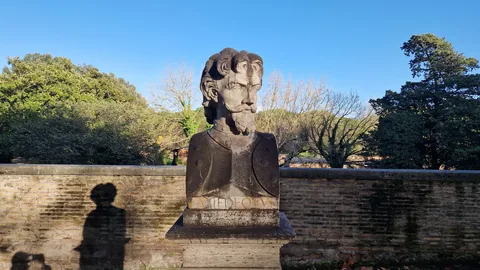
Amadeus V of Savoy
Amadeus V governed Savoy through disputed inheritance, marriage alliances, and negotiation across the Alps.
Find on the mapVoice changes restart the current paragraph.
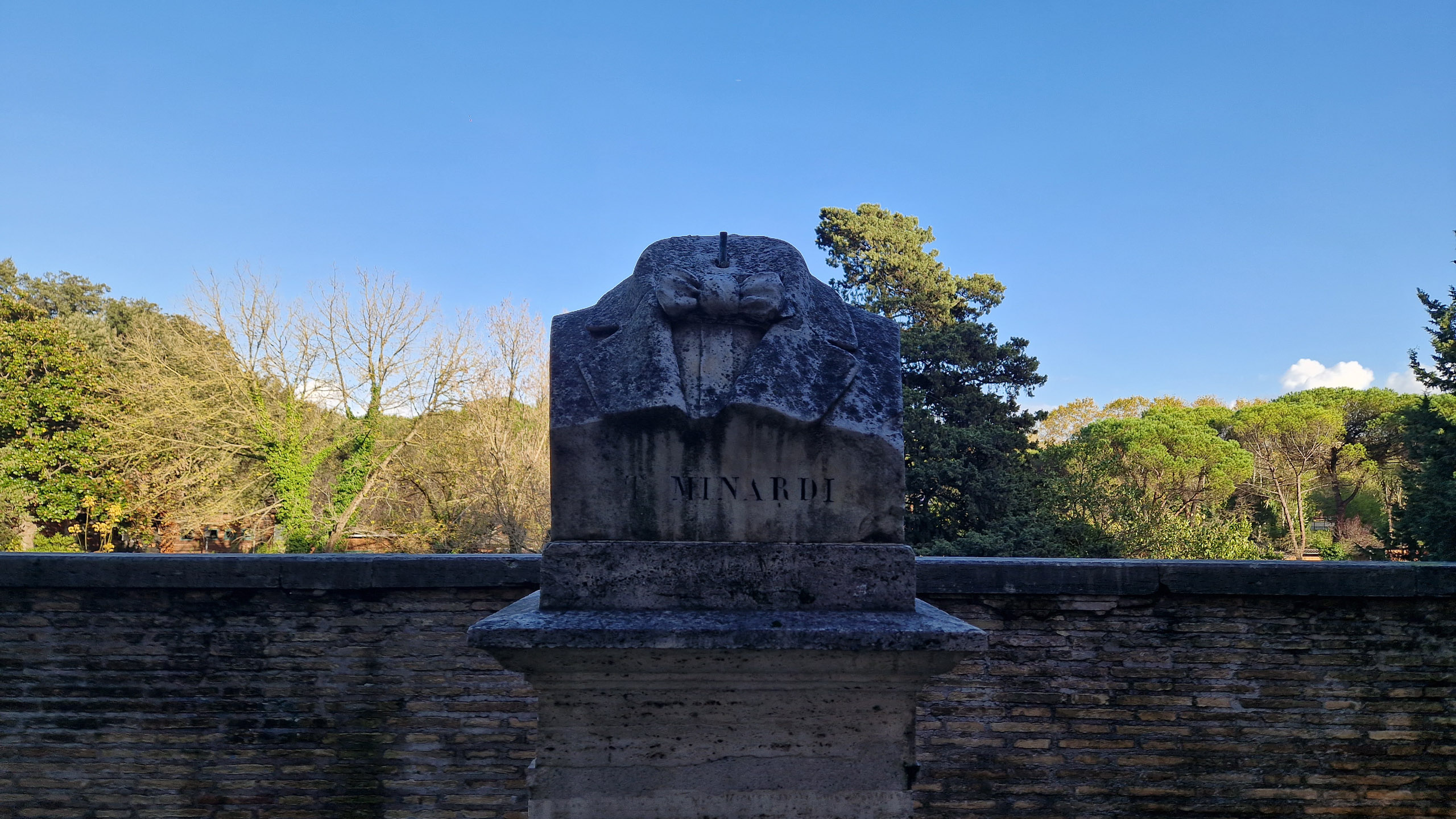
Tommaso Minardi’s influence in Rome passed through the drawing classroom. Born in Faenza in 1787, he became a teacher at the Accademia di San Luca and trained artists who worked on the city’s churches and public commissions. Cesare Fracassini, another figure commemorated in the Pincio, studied with him.
Minardi was associated with Purism, a movement that sought examples for modern religious art in earlier Italian painting. He supported Antonio Bianchini’s statement on Purism alongside artists including Friedrich Overbeck and Pietro Tenerani. Artists argued over which periods offered models of clarity, expression, and religious feeling.
His activity also extended to the protection and restoration of art. Teaching, collecting, and the management of Rome’s artistic inheritance overlapped in his professional life. Looking at his career helps explain why nineteenth-century art in the city cannot be understood only as a sequence of new styles; the interpretation of older works was itself a source of authority.
Pincio gardens · Nearby
Amadeus V governed Savoy through disputed inheritance, marriage alliances, and negotiation across the Alps.
Find on the mapPincio gardens · Nearby
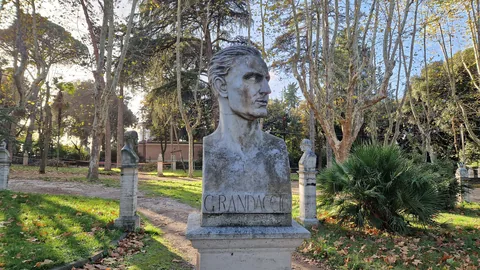
An infantry major killed near the Timavo in 1917, Randaccio became a prominent figure in Italy’s memory of the First World War.
Find on the mapPincio gardens · Nearby
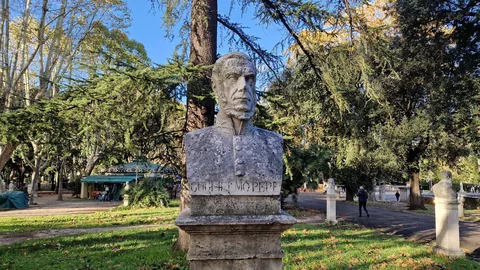
Visconti Venosta guided Italian foreign policy through the Roman question, European alliances, and a later rapprochement with France.
Find on the mapPincio gardens · Nearby
A southern Italian general whose campaigns connected the constitutional revolution in Naples with the defense of Venice.
Find on the map