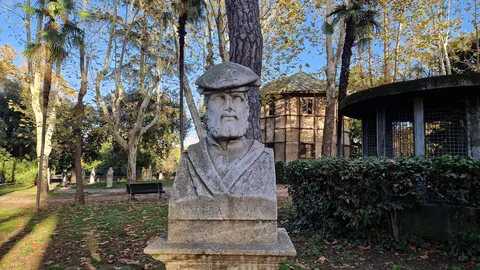
Pincio gardens · 26 m away
Andrea Doria
Doria’s command of galleys gave him the means to reshape Genoa’s alliances and political institutions.
Find on the mapRead aloud with your device’s voice.
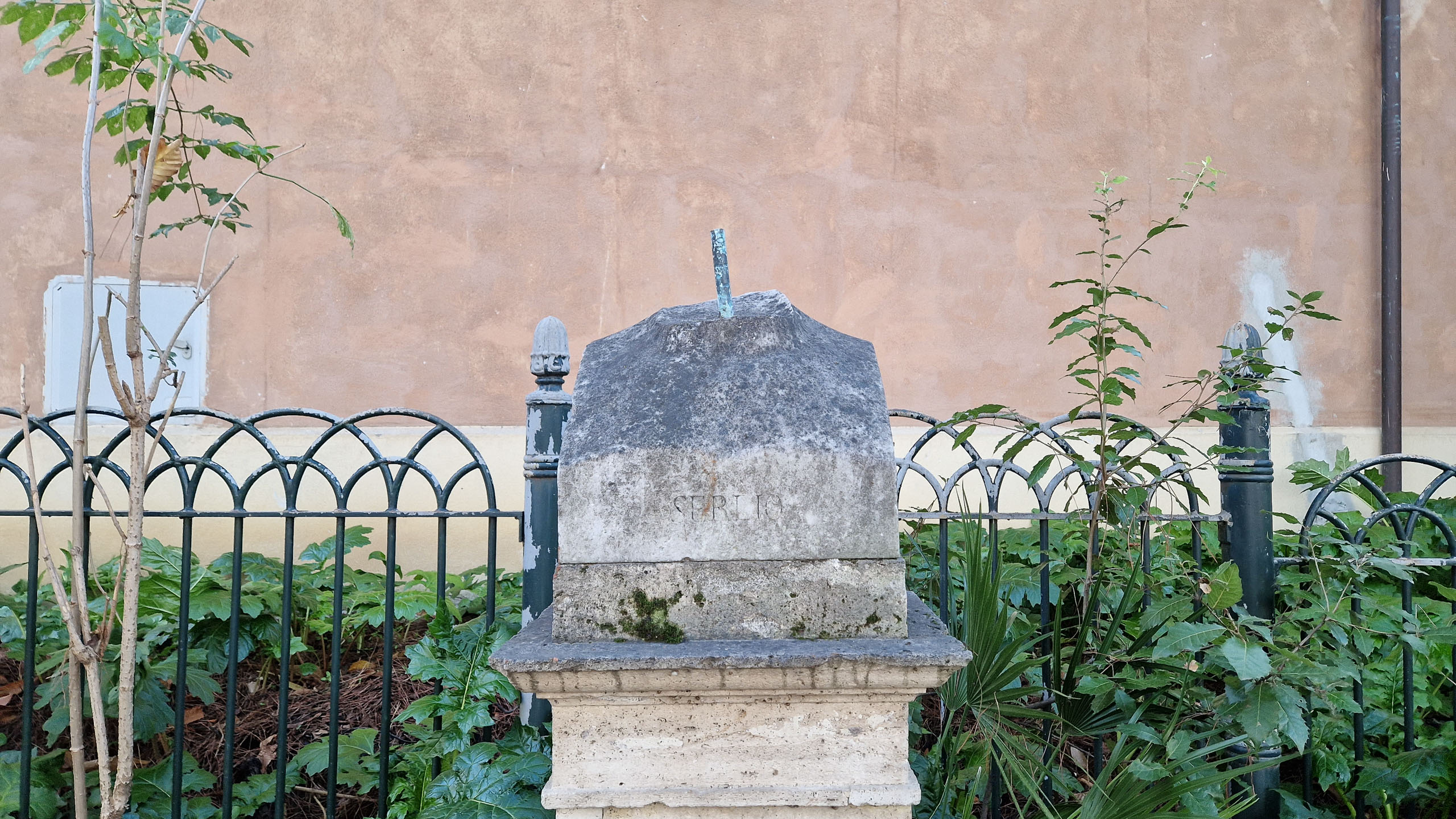
Sebastiano Serlio made architecture portable through the printed page. His books placed explanatory text beside images of ancient monuments and proposed designs. Readers could compare proportions, borrow a doorway, or study a stage setting without visiting the building or city that supplied the example.
Born in Bologna around 1475, Serlio learned from the architectural culture of Rome and from Baldassarre Peruzzi. The volume on the classical orders, numbered Book IV, appeared in Venice in 1537. Publication did not follow the numerical order of the planned treatise. That uneven history matters when discussing the familiar description of the work as seven books.
Serlio later moved to France and worked in the orbit of Francis I. His professional opportunities there were complicated by competition and court circumstances. The circulation of his books proved more extensive than the number of buildings that can securely be assigned to him.
His treatment of architecture included practical choices for clients with different resources, alongside the study of monumental antiquity. A printed architectural tradition could transmit reusable solutions as well as prestigious models. The distinction helps explain his importance to builders far beyond Italy.
Pincio gardens · 26 m away
Doria’s command of galleys gave him the means to reshape Genoa’s alliances and political institutions.
Find on the mapPincio gardens · 26 m away
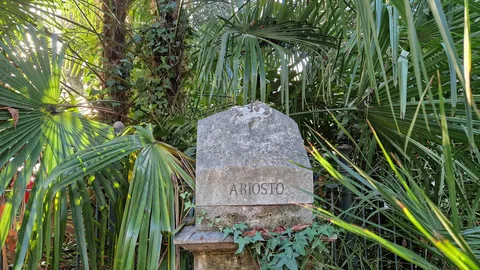
Ariosto’s Orlando furioso follows wandering knights through a world where desire repeatedly defeats orderly plans.
Find on the mapPincio gardens · 27 m away
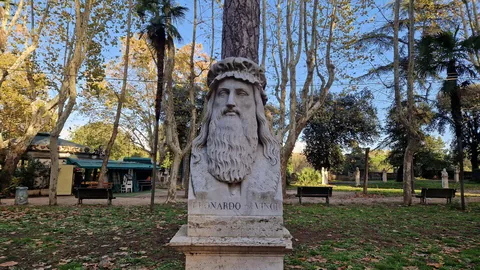
A painter who used drawing to investigate anatomy, moving water, and the mechanics of sight. His Roman years came late in his career.
Find on the mapPincio gardens · 29 m away
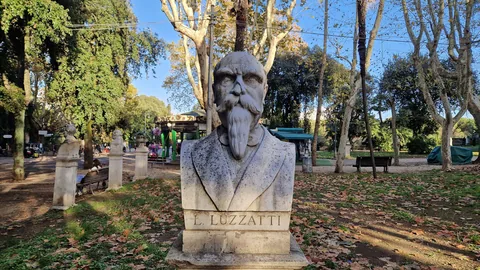
Luzzatti promoted cooperative credit and religious liberty, with a brief premiership forming only one part of his public career.
Find on the map