Pincio gardens · Nearby
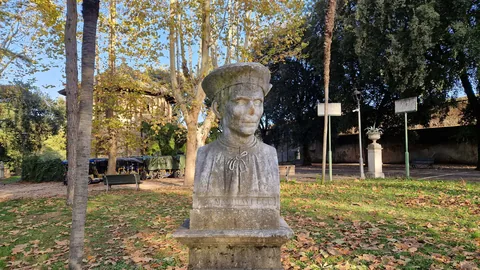
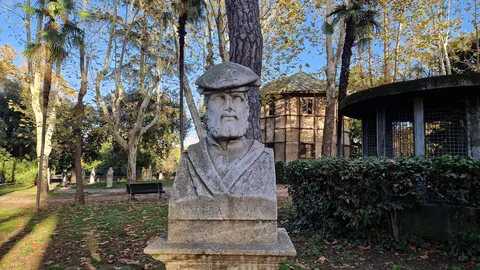
Andrea Doria
Doria’s command of galleys gave him the means to reshape Genoa’s alliances and political institutions.
Find on the mapVoice changes restart the current paragraph.
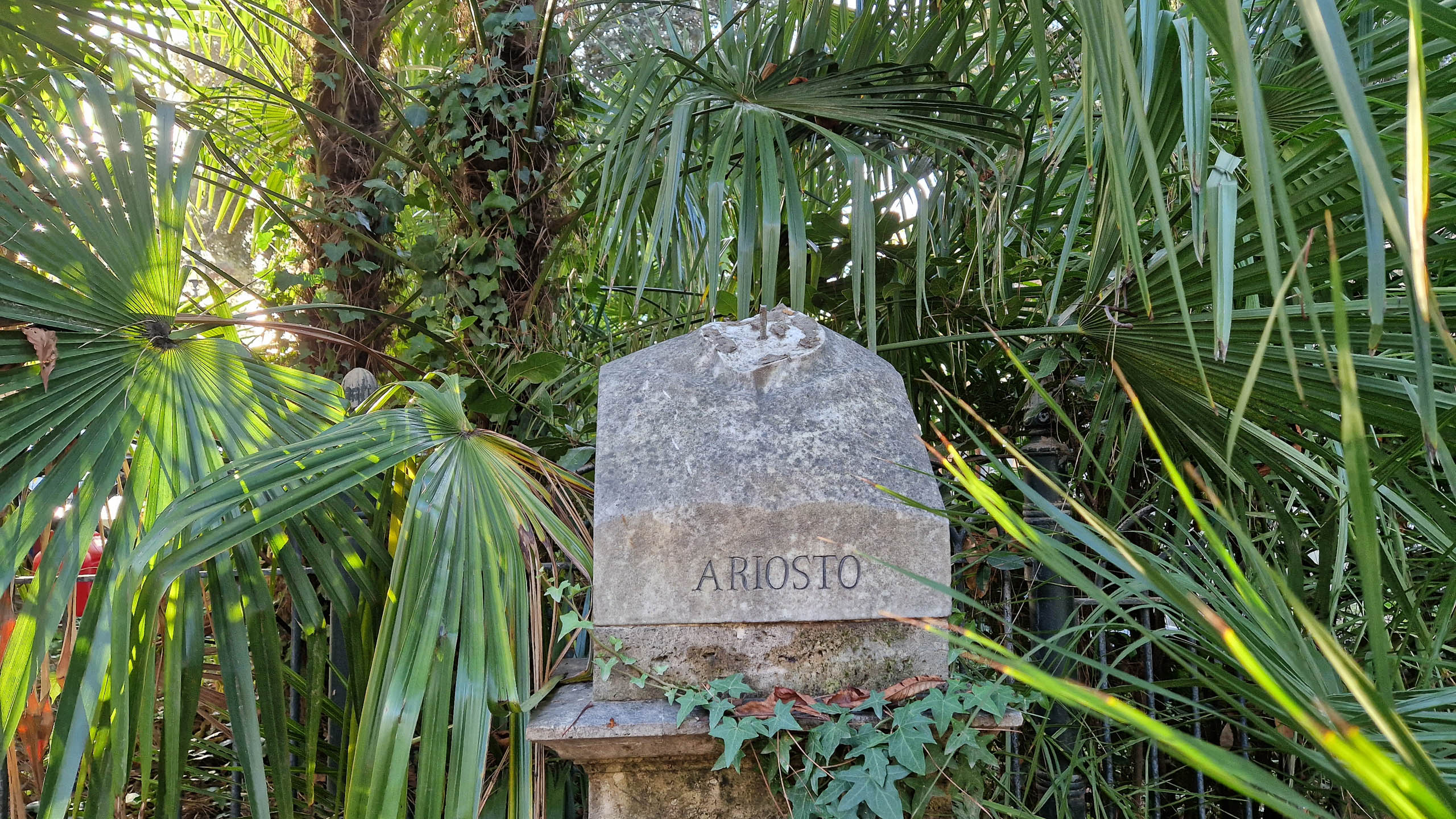
A knight loses his reason, another traveler reaches the moon, and unfinished adventures pull the reader between distant scenes. Ludovico Ariosto’s Orlando furioso makes interruption one of its governing techniques. The narrator can leave a character at a moment of danger and resume the thread much later.
First published in 1516, the poem was repeatedly revised before the expanded edition of 1532. It continues the chivalric world developed by Matteo Maria Boiardo, but its movement between heroic ambition and human folly gives it a distinctive tone. Irony does not cancel the characters’ suffering; it changes the distance from which it is observed.
Ariosto, born in 1474, worked for the Este court at Ferrara. Service could mean diplomacy and administration as well as poetry. His period governing the Garfagnana placed him among problems of disorder and competing local interests, far from the imagined freedom of romance.
His Satire examine the obligations and disappointments of such a career. Read beside the Furioso, they make the practical conditions of courtly authorship visible: time to write depended on patrons whose demands did not necessarily favor writing.
Pincio gardens · Nearby
Doria’s command of galleys gave him the means to reshape Genoa’s alliances and political institutions.
Find on the mapPincio gardens · Nearby
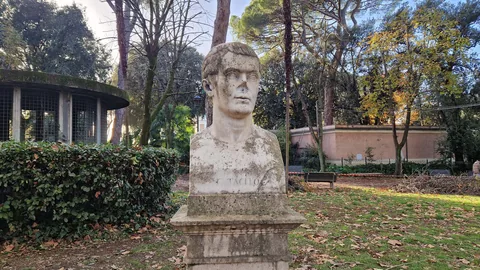
Machiavelli examined power through both princely rule and republican government, drawing on years of Florentine public service.
Find on the mapPincio gardens · Nearby
The anatomist behind the Eustachian tube, whose major anatomical plates reached print long after his death.
Find on the mapPincio gardens · Nearby
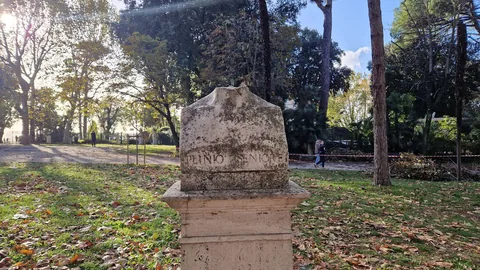
A Roman writer and fleet commander whose Natural History preserves ancient knowledge about the natural world and the arts.
Find on the map