Pincio gardens · Nearby
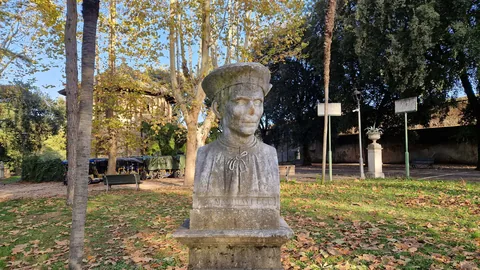
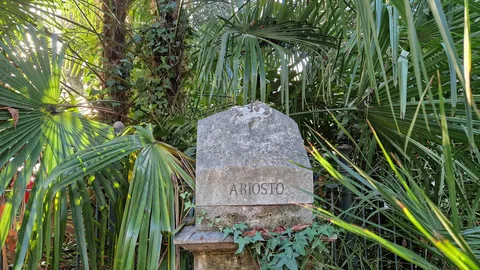
Ludovico Ariosto
Ariosto’s Orlando furioso follows wandering knights through a world where desire repeatedly defeats orderly plans.
Find on the mapRead aloud with your device’s voice.
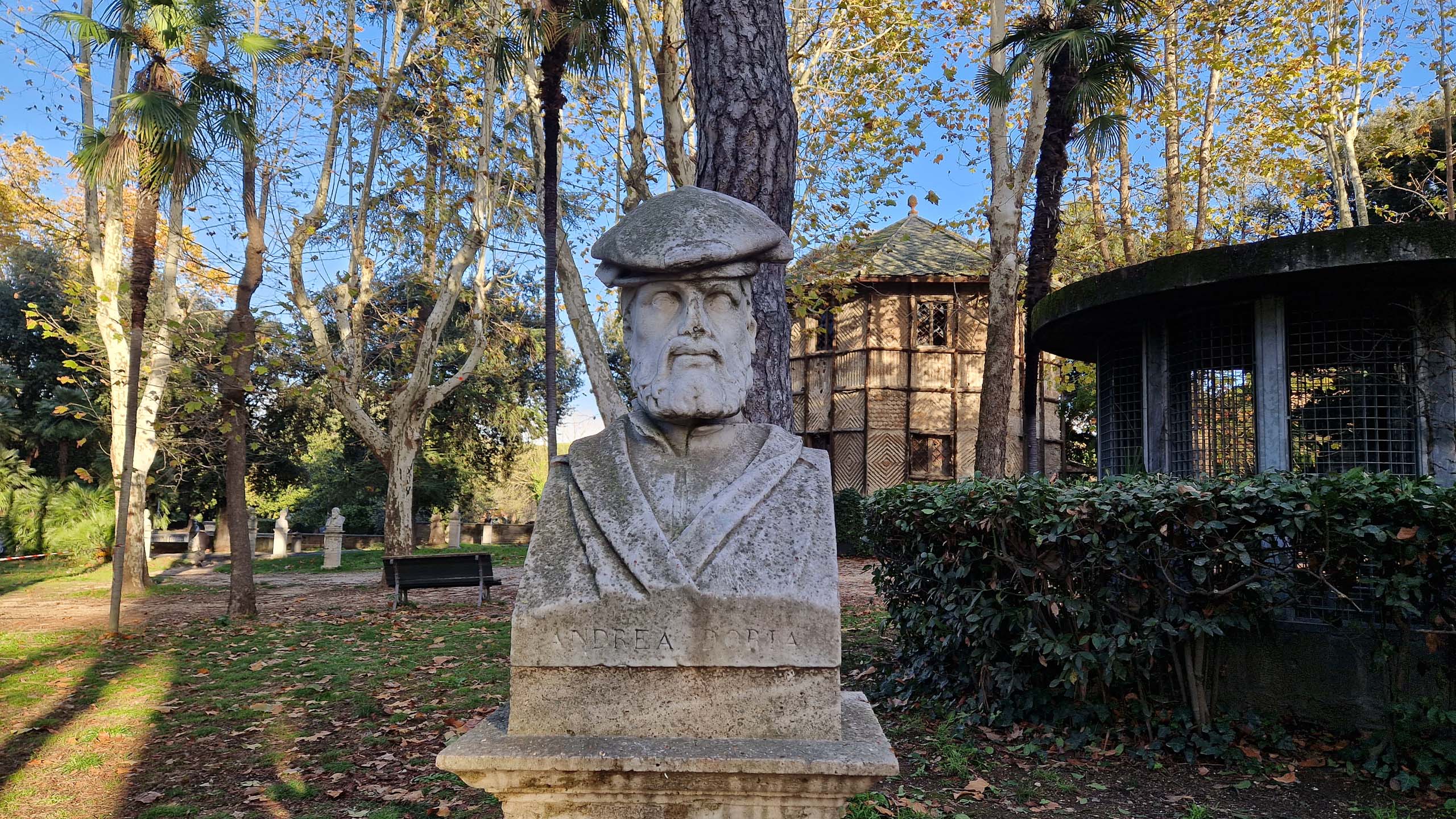
Andrea Doria’s power rested on ships that he could place in the service of major European rulers. A commander with his own galleys could negotiate the terms of employment and influence the politics of his home city. In the sixteenth-century Mediterranean, naval warfare and financial agreements were closely connected.
Born in 1466, Doria served French interests before changing allegiance to Emperor Charles V in 1528. That shift helped remove French control from Genoa and supported a reorganization of the republic’s government. The resulting order strengthened the position of the city’s patrician families.
Doria’s reputation as a defender of Genoese liberty therefore needs a precise meaning. Independence from an outside ruler did not imply equal political participation among all inhabitants. His arrangements tied the city’s autonomy to imperial power and to an influential local elite.
His long career continued through campaigns against Ottoman and North African fleets until his death in 1560. The Pincio portrait commemorates a commander whose authority was simultaneously military, contractual, and civic, a combination quite different from that of an officer serving a modern national navy.
Pincio gardens · Nearby
Ariosto’s Orlando furioso follows wandering knights through a world where desire repeatedly defeats orderly plans.
Find on the mapPincio gardens · Nearby
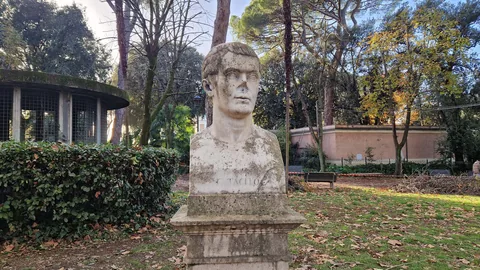
Machiavelli examined power through both princely rule and republican government, drawing on years of Florentine public service.
Find on the mapPincio gardens · Nearby
The anatomist behind the Eustachian tube, whose major anatomical plates reached print long after his death.
Find on the mapPincio gardens · Nearby
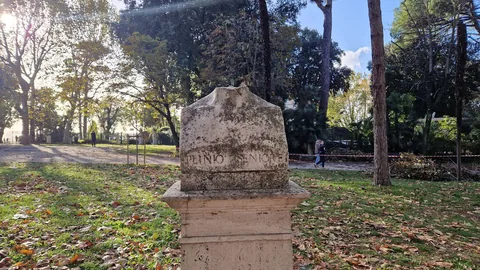
A Roman writer and fleet commander whose Natural History preserves ancient knowledge about the natural world and the arts.
Find on the map