Pincio gardens · Nearby
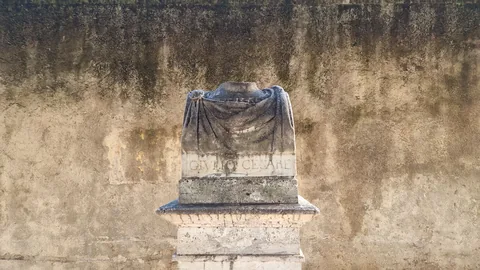
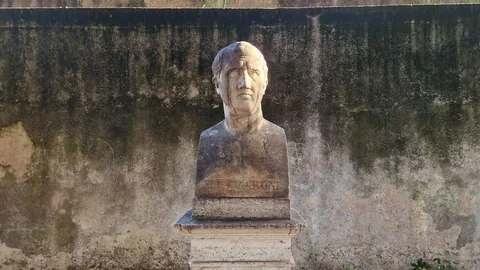
Cicero
Cicero’s speeches and letters expose the arguments, ambitions, and compromises of Rome’s late Republic.
Find on the mapRead aloud with your device’s voice.
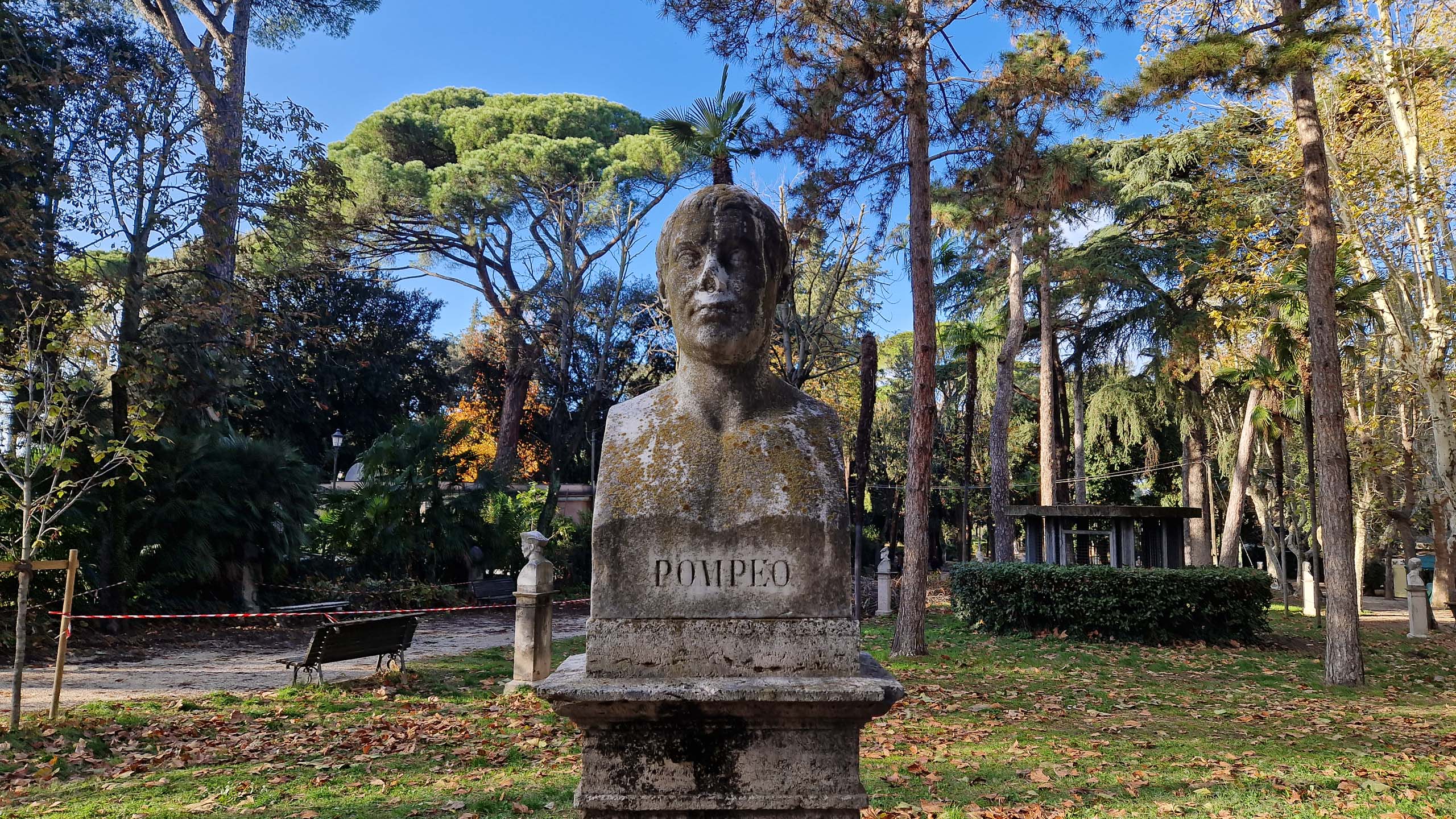
Pompey the Great built power through commands that exceeded the ordinary scale of Roman magistracies. His campaigns against piracy and in the eastern Mediterranean brought military prestige and a wide network of dependent rulers. The consequences extended from the provinces into elections and alliances at Rome.
Born in 106 BCE, Pompey first gained prominence in Sulla’s civil wars. He later joined Caesar and Crassus in the political agreement conventionally called the First Triumvirate. This was an informal alliance, unlike the legally established triumvirate formed after Caesar’s death.
Pompey also put his name into Rome’s built environment. His theater complex in the Campus Martius combined performance space with monumental public display. Architecture allowed the reputation won abroad to become a continuing presence in the city.
The alliance with Caesar broke down, and their rivalry led to civil war. After defeat at Pharsalus in 48 BCE, Pompey fled to Egypt and was murdered there. Caesar was himself assassinated four years later in a meeting hall associated with Pompey’s complex. The connection is striking, but the two deaths occurred in different places and political circumstances.
Pincio gardens · Nearby
Cicero’s speeches and letters expose the arguments, ambitions, and compromises of Rome’s late Republic.
Find on the mapPincio gardens · Nearby
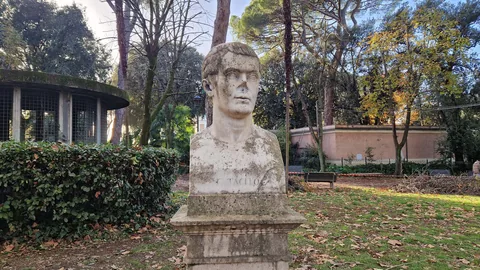
Caesar used conquest, political alliances, and civil war to gain powers that the Republican system could no longer contain.
Find on the mapPincio gardens · Nearby
The anatomist behind the Eustachian tube, whose major anatomical plates reached print long after his death.
Find on the mapPincio gardens · Nearby
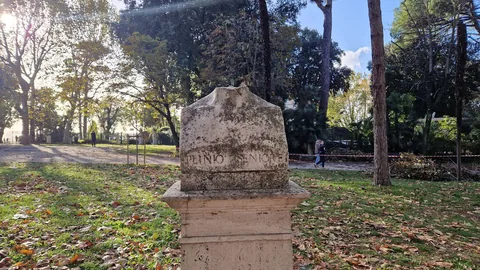
A Roman writer and fleet commander whose Natural History preserves ancient knowledge about the natural world and the arts.
Find on the map