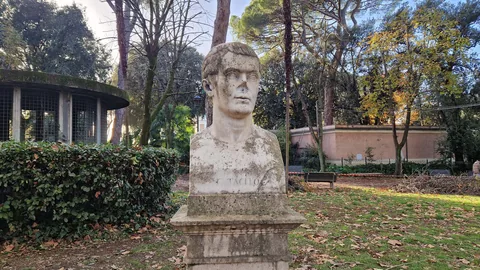
Pincio gardens · Nearby
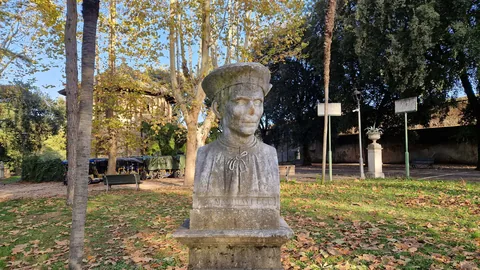
Bartolomeo Eustachio
The anatomist behind the Eustachian tube, whose major anatomical plates reached print long after his death.
Find on the mapRead aloud with your device’s voice.
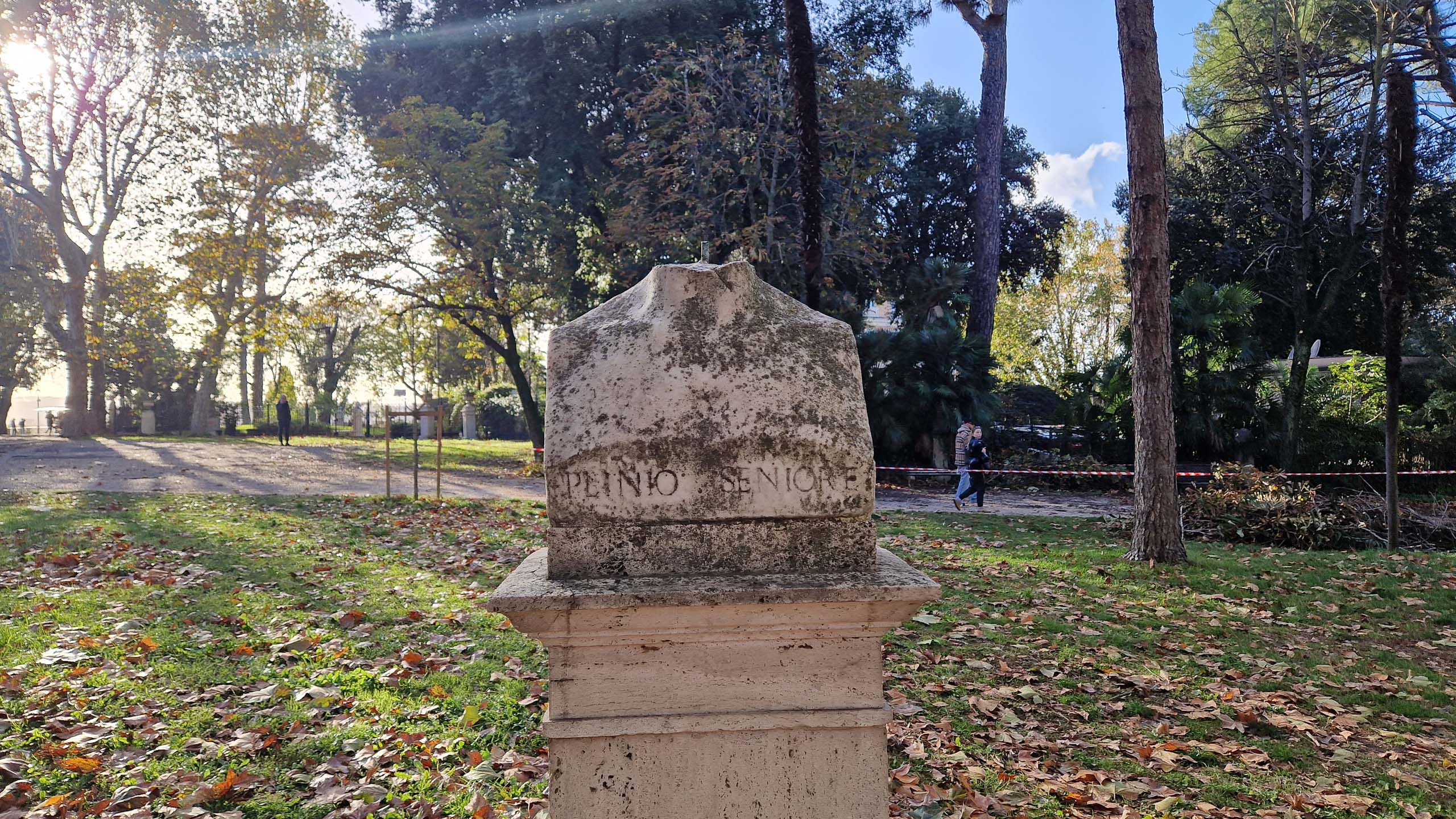
Pliny the Elder’s Natural History places painting and sculpture beside plants, minerals, medicine, and geography. Its thirty-seven books attempt to gather knowledge across an enormous range of subjects. For an art historian, the discussions of artists and materials matter because so many of the works he described no longer survive.
Pliny was also an imperial administrator and military officer. In 79 CE he commanded the fleet at Misenum when Vesuvius erupted, and he died at Stabiae during the disaster. His literary work and his service to Rome belonged to the same busy life.
Natural History combines earlier writings, reported information, and judgments shaped by Roman values. It cannot be read as a modern scientific reference with every statement verified. Its value often lies in showing what an educated Roman could know, repeat, or find worth preserving. The author’s breadth is real; the reliability of any particular claim still has to be examined.
Pincio gardens · Nearby
The anatomist behind the Eustachian tube, whose major anatomical plates reached print long after his death.
Find on the mapPincio gardens · Nearby
Machiavelli examined power through both princely rule and republican government, drawing on years of Florentine public service.
Find on the mapPincio gardens · Nearby
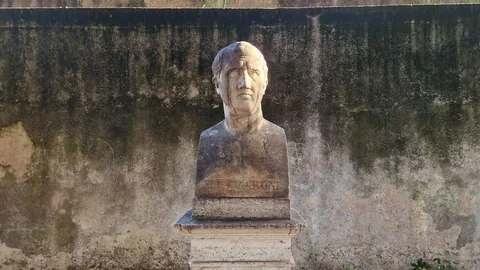
Cicero’s speeches and letters expose the arguments, ambitions, and compromises of Rome’s late Republic.
Find on the mapPincio gardens · Nearby
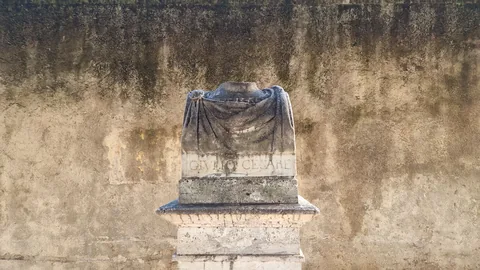
Caesar used conquest, political alliances, and civil war to gain powers that the Republican system could no longer contain.
Find on the map