Pincio gardens · Nearby
Bartolomeo Eustachio
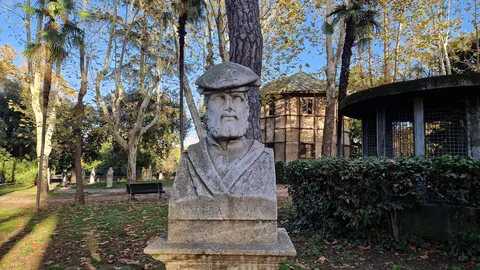
The anatomist behind the Eustachian tube, whose major anatomical plates reached print long after his death.
Find on the mapVoice changes restart the current paragraph.
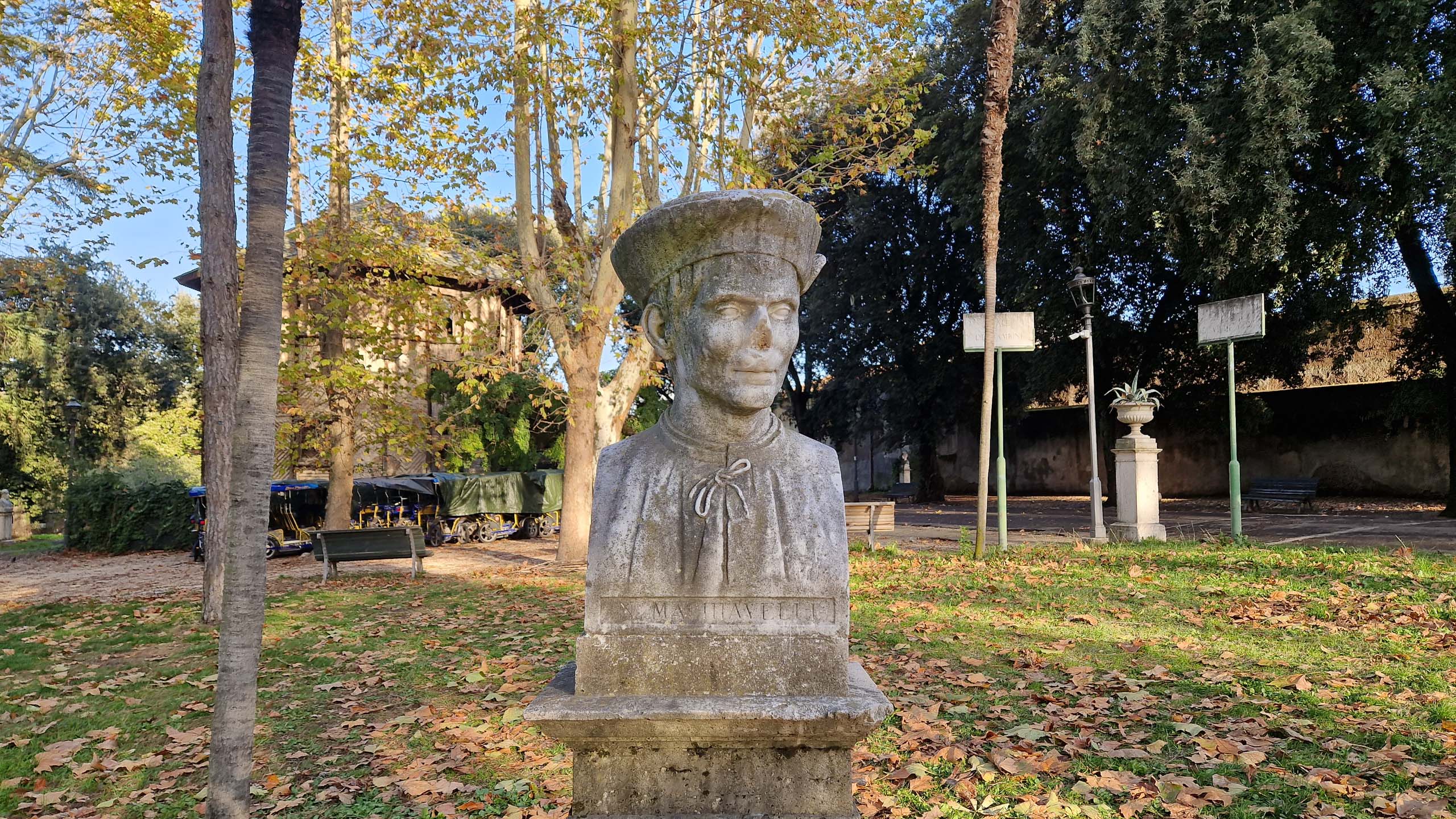
Niccolò Machiavelli’s name became shorthand for political ruthlessness, but his writings ask more complicated questions about power. The Prince examines how rulers acquire and maintain a state. The Discourses on Livy turn toward republics, institutions, and conflict among citizens. Reading one without the other makes his political thought seem more uniform than it is.
Born in Florence in 1469, Machiavelli served the republic in diplomatic and administrative roles from 1498. He observed courts and military campaigns at close range. The return of the Medici in 1512 ended that employment; arrest and torture followed in 1513.
He wrote The Prince during the period of exclusion from office, hoping to return to political work. The text tests the distance between how rulers are expected to behave and the conduct that circumstances reward. Its arguments are deliberately uncomfortable, but discomfort is not the same as a general instruction to be cruel.
In the Discourses, disagreement can contribute to the defense of liberty when institutions give it a political form. Machiavelli’s use of ancient Rome is therefore active and argumentative, rather than reverential. Roman history supplies cases to examine, not a set of commands to copy unchanged.
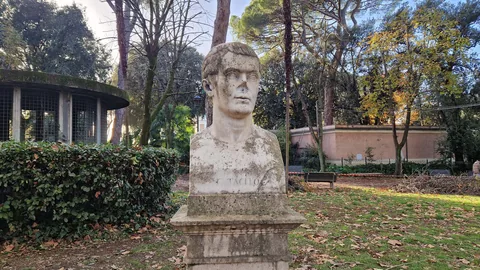
His plays, including The Mandrake, add another voice to the same sharp observation of desire and self-interest. The bust commemorates an author whose reputation has often been reduced to an adjective; the books remain more demanding than that label.
Pincio gardens · Nearby
The anatomist behind the Eustachian tube, whose major anatomical plates reached print long after his death.
Find on the mapPincio gardens · Nearby
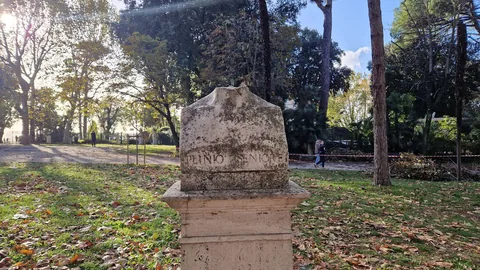
A Roman writer and fleet commander whose Natural History preserves ancient knowledge about the natural world and the arts.
Find on the mapPincio gardens · Nearby
Doria’s command of galleys gave him the means to reshape Genoa’s alliances and political institutions.
Find on the mapPincio gardens · Nearby
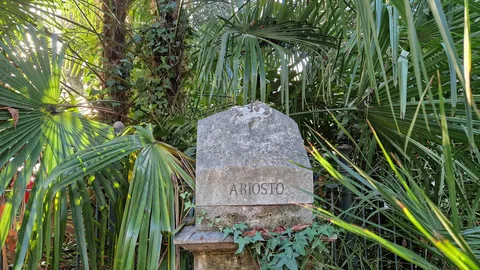
Ariosto’s Orlando furioso follows wandering knights through a world where desire repeatedly defeats orderly plans.
Find on the map