Pincio gardens · Nearby
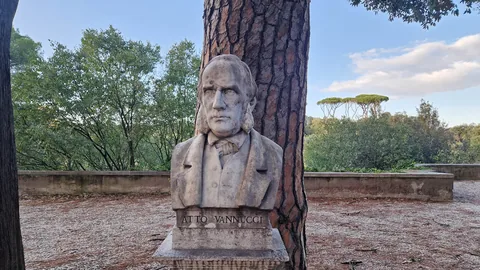
Atto Vannucci
Vannucci assembled biographies of political martyrs, helping shape how the struggle for Italian liberty would be remembered.
Find on the mapRead aloud with your device’s voice.
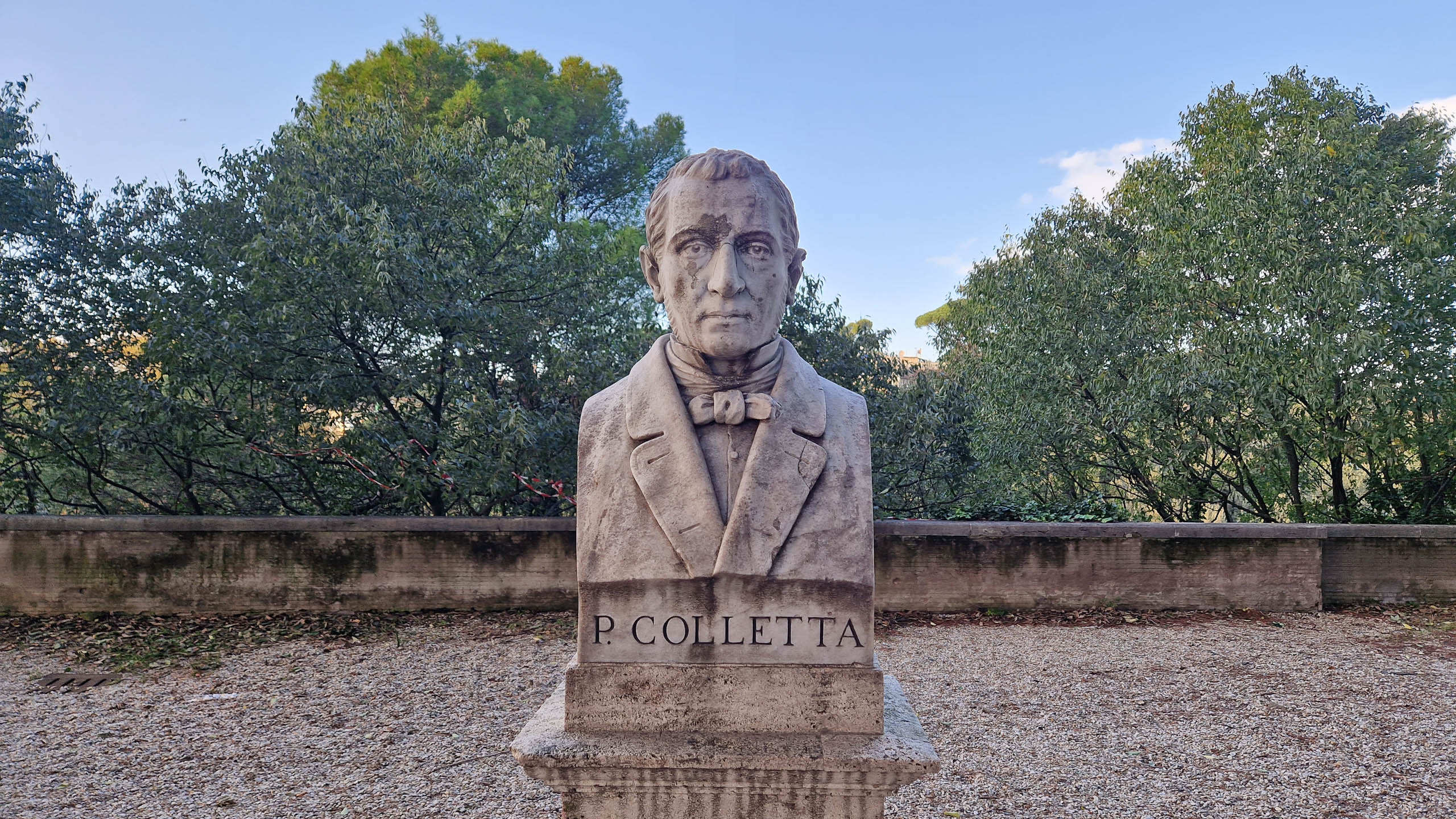
Pietro Colletta’s history of the Kingdom of Naples was written by a man who had served within the events he described. His military and administrative career crossed changes of dynasty and government. That experience supplied knowledge, but it also gave him judgments and loyalties that shaped the narrative.
Born in Naples in 1775, Colletta served under the Napoleonic rulers and later held responsibilities during the constitutional crisis of 1820. Exiled after the constitutional government’s defeat, he eventually settled in Florence and devoted himself to historical writing.
His History of the Kingdom of Naples from 1734 to 1825 appeared posthumously in 1834, three years after his death. Its publication provoked disputes among people whose conduct it assessed. Their responses show how fiercely the recent past was contested.
Colletta’s controlled literary style gives events a strong sequence of causes and consequences. Readers should test that order against his position as a participant. The memoir-like authority of someone who was there can coexist with selective explanation.
Pincio gardens · Nearby
Vannucci assembled biographies of political martyrs, helping shape how the struggle for Italian liberty would be remembered.
Find on the mapPincio gardens · Nearby
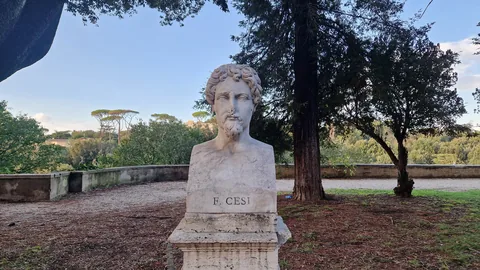
Cesi made the Accademia dei Lincei a setting for collaborative observation, with Galileo among its members.
Find on the mapPincio gardens · Nearby
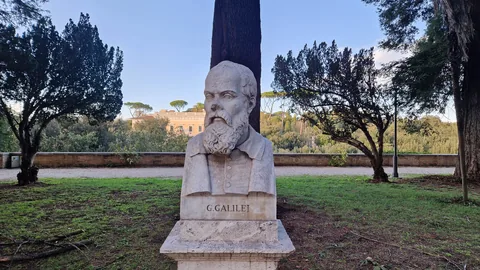
Galileo joined instrument-making, mathematical argument, and observation, while his Roman trial exposed the limits placed on cosmological debate.
Find on the mapPincio gardens · 28 m away
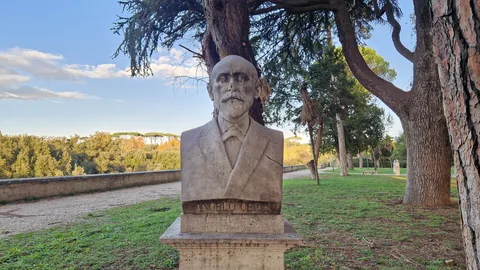
Celli connected malaria research with access to medicine, education, and the living conditions of rural workers around Rome.
Find on the map