Pincio gardens · Nearby
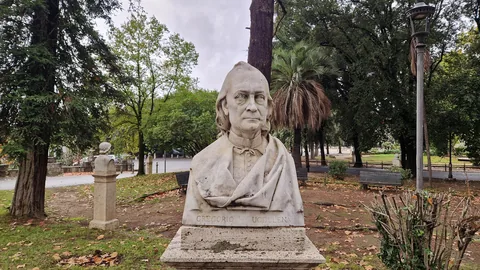
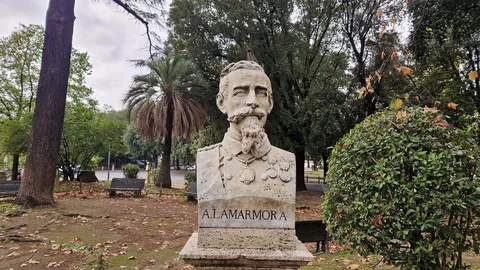
Alfonso La Marmora
La Marmora helped organize the Piedmontese and Italian armies, served as prime minister, and faced bitter criticism after the defeat at Custoza.
Find on the mapRead aloud with your device’s voice.
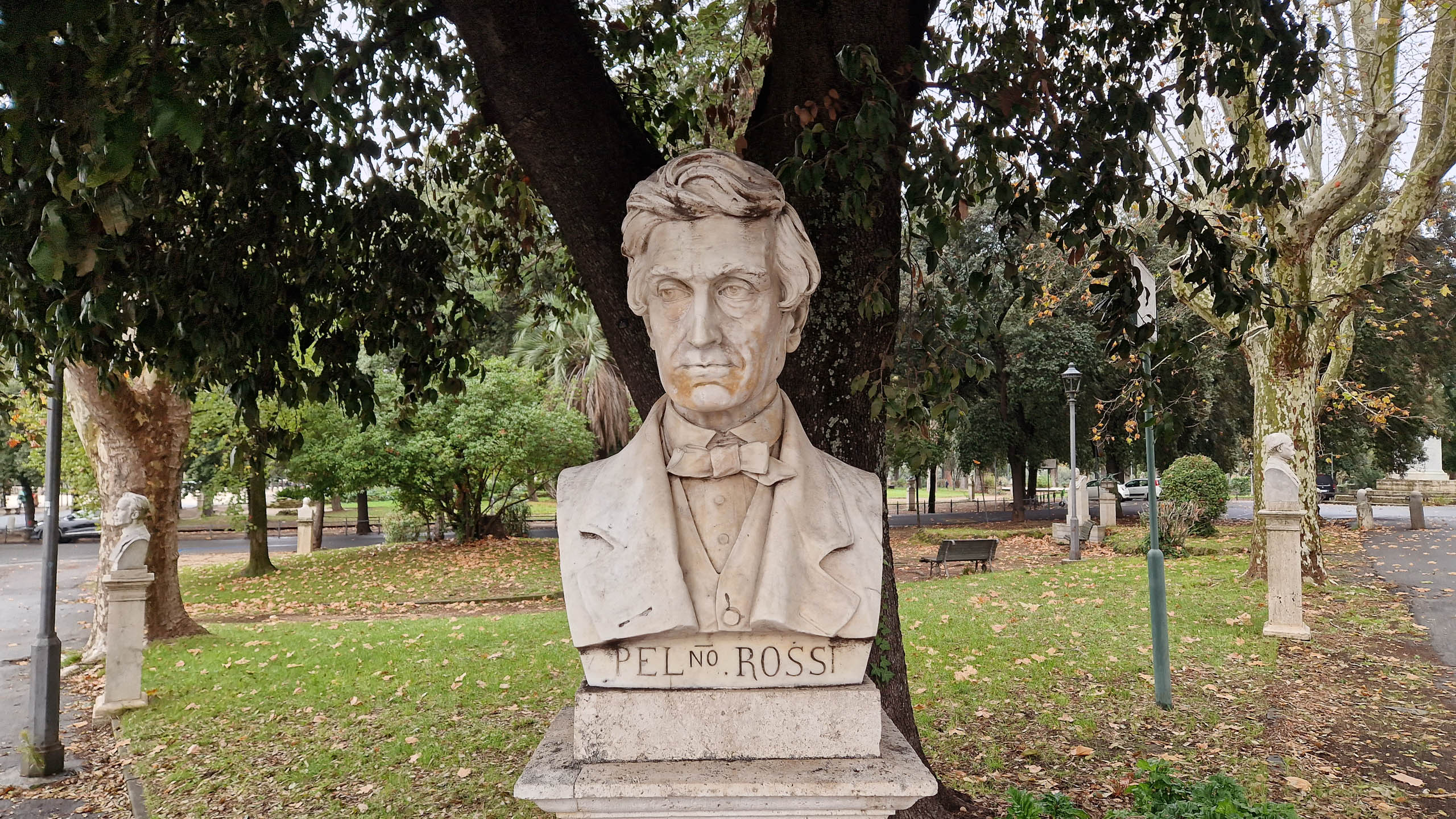
Pellegrino Rossi worked across three political worlds. Born in Carrara in 1787, he became a legal scholar in Geneva, participated in Swiss public life, and later taught economics and constitutional law in Paris. His career connected academic argument with the practical design of institutions.
In Switzerland he prepared a proposal for federal reform that was not adopted. In France he supported the constitutional monarchy and entered diplomacy, which brought him to Rome. After the French revolution of 1848 ended that role, he remained in the city.
Pius IX appointed Rossi to the papal government that September. He sought a moderate constitutional settlement, but his policies alienated both opponents of reform and democratic activists. On November 15, 1848, he was assassinated while arriving at the Palazzo della Cancelleria for the reopening of parliament.
His death intensified the crisis that led to the pope's departure and the Roman Republic. The bust recalls a reformer whose proposals depended on political consent that his government could not secure.
Pincio gardens · Nearby
La Marmora helped organize the Piedmontese and Italian armies, served as prime minister, and faced bitter criticism after the defeat at Custoza.
Find on the mapPincio gardens · Nearby
A scholar of Hebrew and Greek, Ugdulena combined biblical translation with political activity during Sicily’s struggle against Bourbon rule.
Find on the mapPincio gardens · Nearby
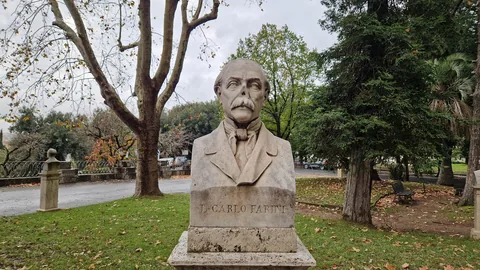
Farini helped bring the central Italian provinces into the Savoy state and briefly led the government of the new Kingdom of Italy.
Find on the mapPincio gardens · 33 m away
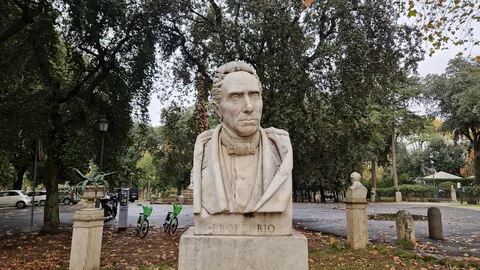
Brofferio joined journalism, theater, poetry, and parliamentary opposition in the democratic politics of the Risorgimento.
Find on the map