Pincio gardens · Nearby
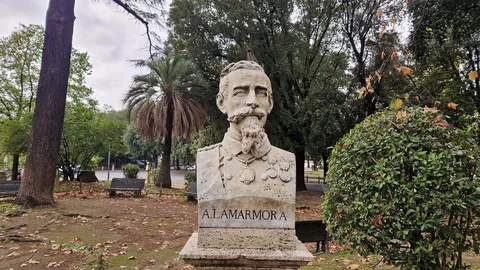
Alfonso La Marmora
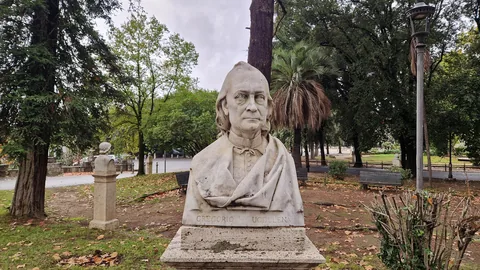
La Marmora helped organize the Piedmontese and Italian armies, served as prime minister, and faced bitter criticism after the defeat at Custoza.
Find on the mapVoice changes restart the current paragraph.
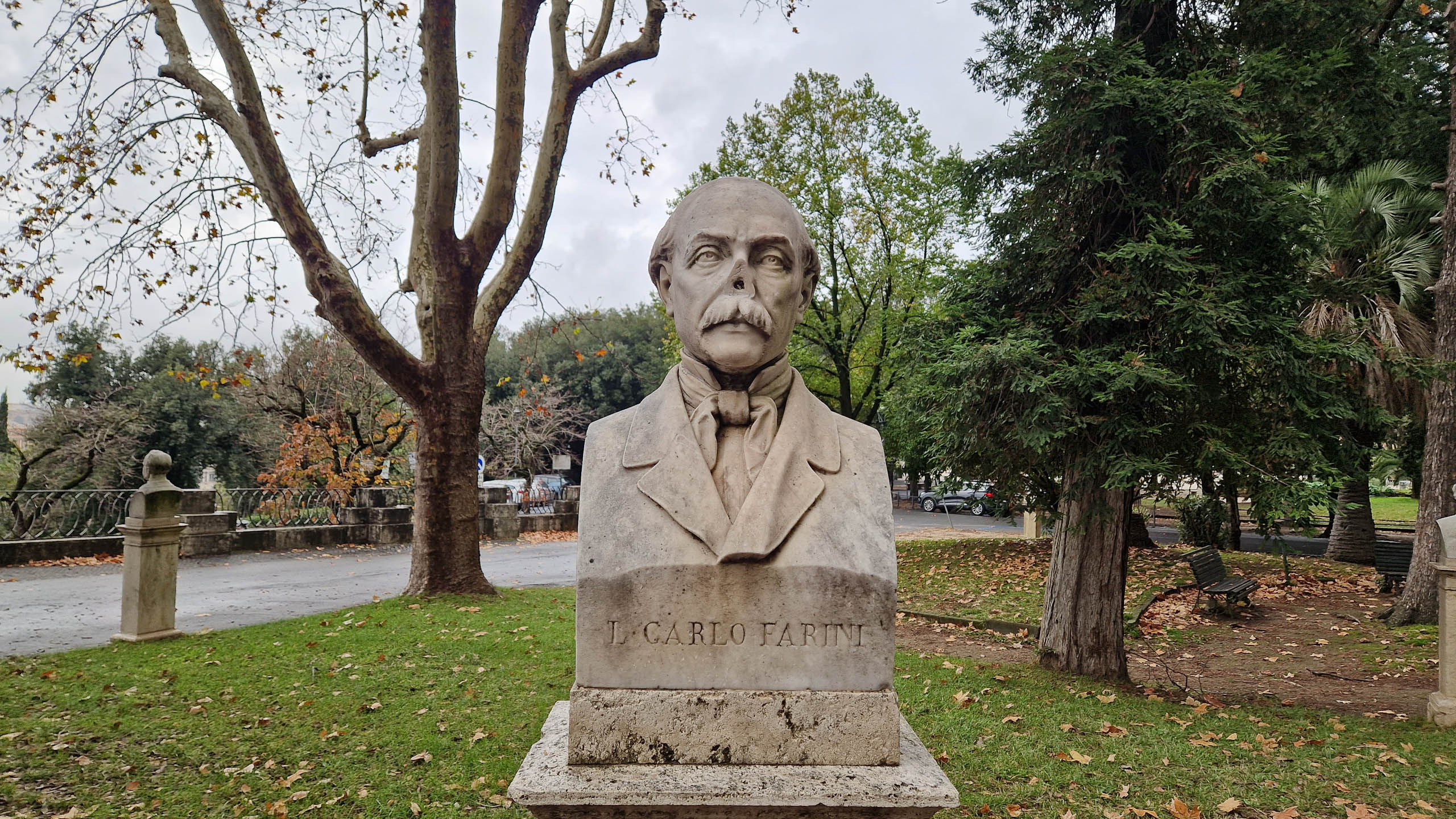
Luigi Carlo Farini helped turn the political upheaval of 1859 into annexation. Born in Russi in 1812, he trained as a physician before journalism and liberal activism drew him into public life. Exile and service in constitutional Rome preceded his move to Piedmont.
Farini opposed the Roman Republic of 1849 and became a supporter of Cavour's moderate strategy. His history of the Papal States expressed that political perspective as well as recording events. It should be read as the work of a participant in a contested period.
In 1859 he assumed extraordinary authority in central Italy and worked to unite the provinces that became Emilia with the Savoy kingdom. Administration, the management of provisional governments, and the organization of annexation were central to the process.
He served as Italy's prime minister from 1862 to 1863, but serious illness brought the term to an end. Farini died in 1866. His career emphasizes the institutional work behind unification, while also showing how sharply moderate liberals could disagree with republican allies against the old order.
Pincio gardens · Nearby
La Marmora helped organize the Piedmontese and Italian armies, served as prime minister, and faced bitter criticism after the defeat at Custoza.
Find on the mapPincio gardens · Nearby
A scholar of Hebrew and Greek, Ugdulena combined biblical translation with political activity during Sicily’s struggle against Bourbon rule.
Find on the mapPincio gardens · Nearby
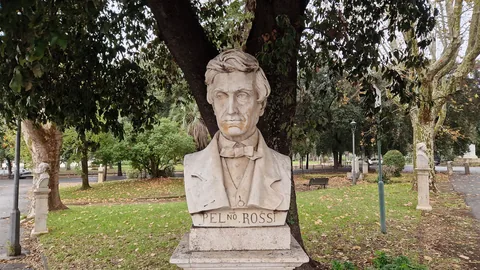
Rossi’s career crossed Switzerland, France, and Rome before his assassination during the constitutional crisis of 1848.
Find on the mapPincio gardens · 33 m away
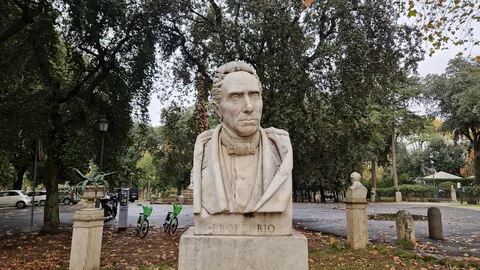
Brofferio joined journalism, theater, poetry, and parliamentary opposition in the democratic politics of the Risorgimento.
Find on the map