Pincio gardens · Nearby
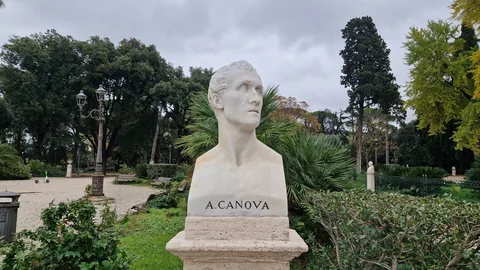
Antonio Canova
Canova’s sculpture joined classical forms to carefully finished marble, including the Borghese portrait of Pauline Bonaparte as Venus.
Find on the mapVoice changes restart the current paragraph.
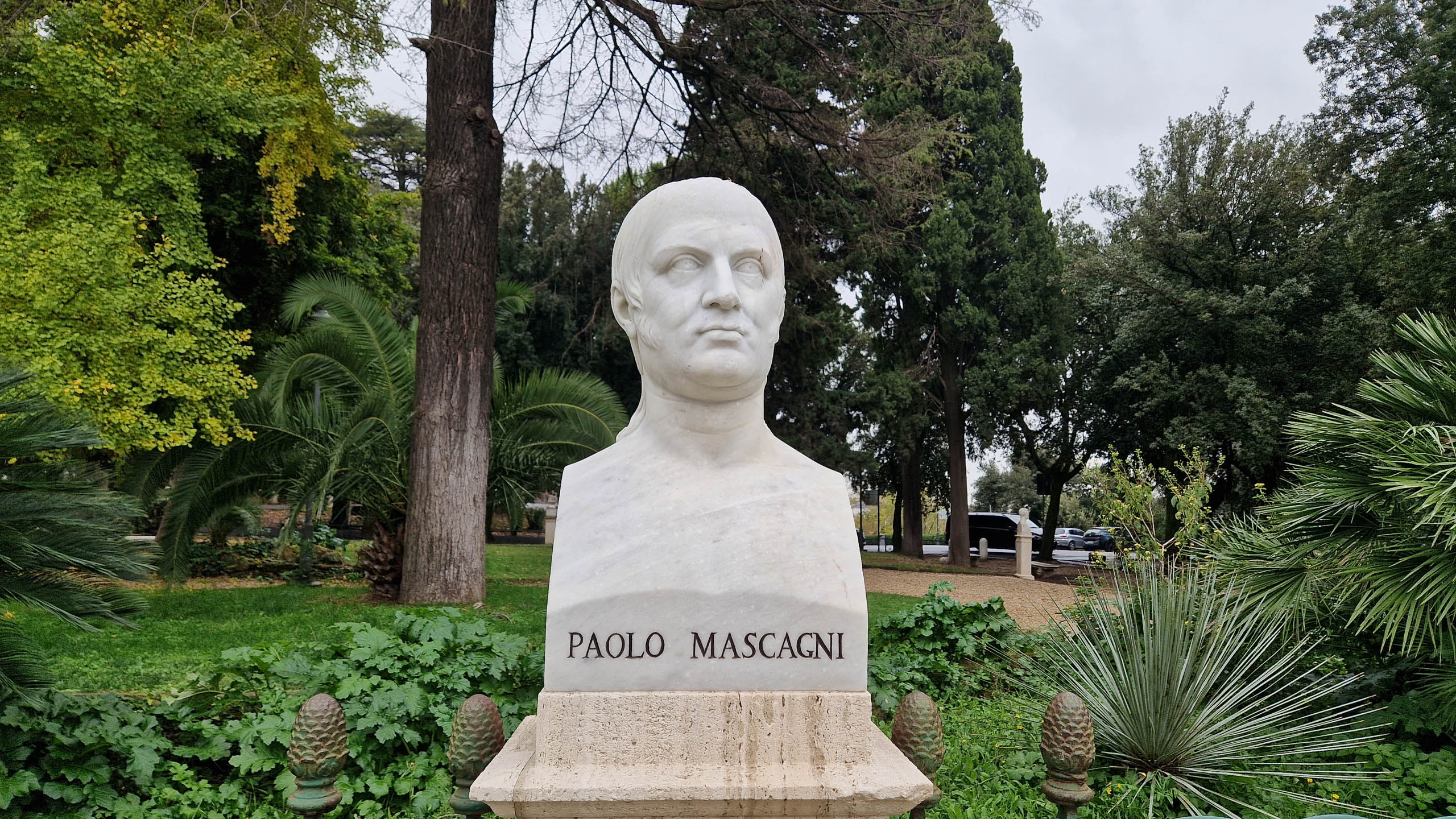
Paolo Mascagni made structures that were difficult to see easier to study. Born in Tuscany in 1755, he developed techniques for tracing the body's lymphatic vessels and published a major illustrated account of that system in 1787.
The work depended on preparation as well as observation. Filling delicate vessels allowed their paths and connections to be followed, while carefully made illustrations carried that information beyond the dissecting room. Anatomy became teachable through a sequence of operations: expose, distinguish, compare, and represent.
Mascagni taught in Siena and later in Florence. His larger anatomical publications also connected medical study with the needs of artists, who required an understanding of the body's structure. Collaborators, draftsmen, and engravers helped convert dissections into usable images, and important parts of the publishing project appeared after his death in 1815.
His portrait recognizes a kind of scientific work in which seeing was a technical achievement. The image on the page was the result of skilled preparation and interpretation, not a simple copy of what any observer would immediately find.
Pincio gardens · Nearby
Canova’s sculpture joined classical forms to carefully finished marble, including the Borghese portrait of Pauline Bonaparte as Venus.
Find on the mapPincio gardens · Nearby
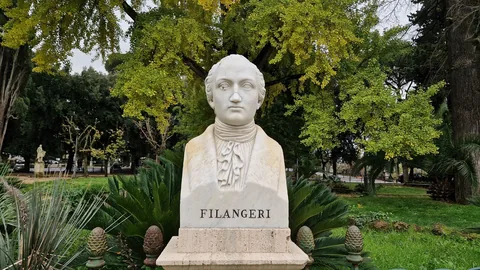
Gaetano Filangieri examined how laws could change society and exchanged ideas with Benjamin Franklin across the Atlantic.
Find on the mapPincio gardens · Nearby
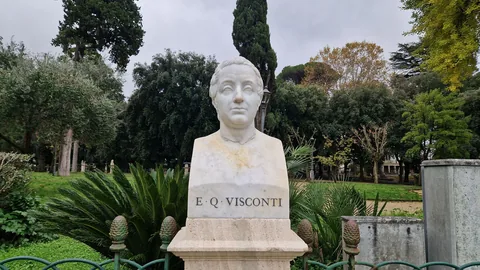
Visconti interpreted ancient sculpture for the Vatican collections and later worked with antiquities in Paris.
Find on the mapPincio gardens · Nearby
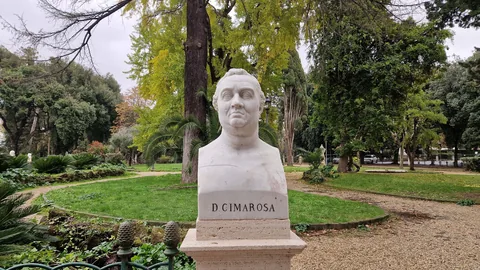
Cimarosa’s comic operas use ensembles and sharply drawn situations to turn social confusion into musical drama.
Find on the map