Pincio gardens · Nearby
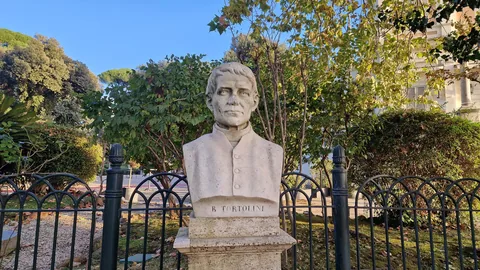
Barnaba Tortolini
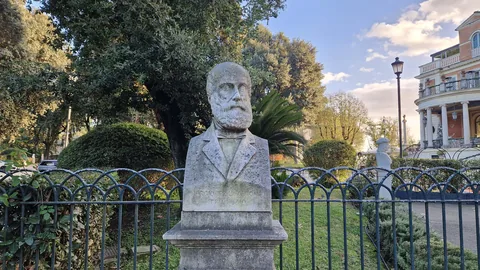
Tortolini taught mathematics in Rome and founded a scientific journal that connected Italian researchers with colleagues abroad.
Find on the mapRead aloud with your device’s voice.
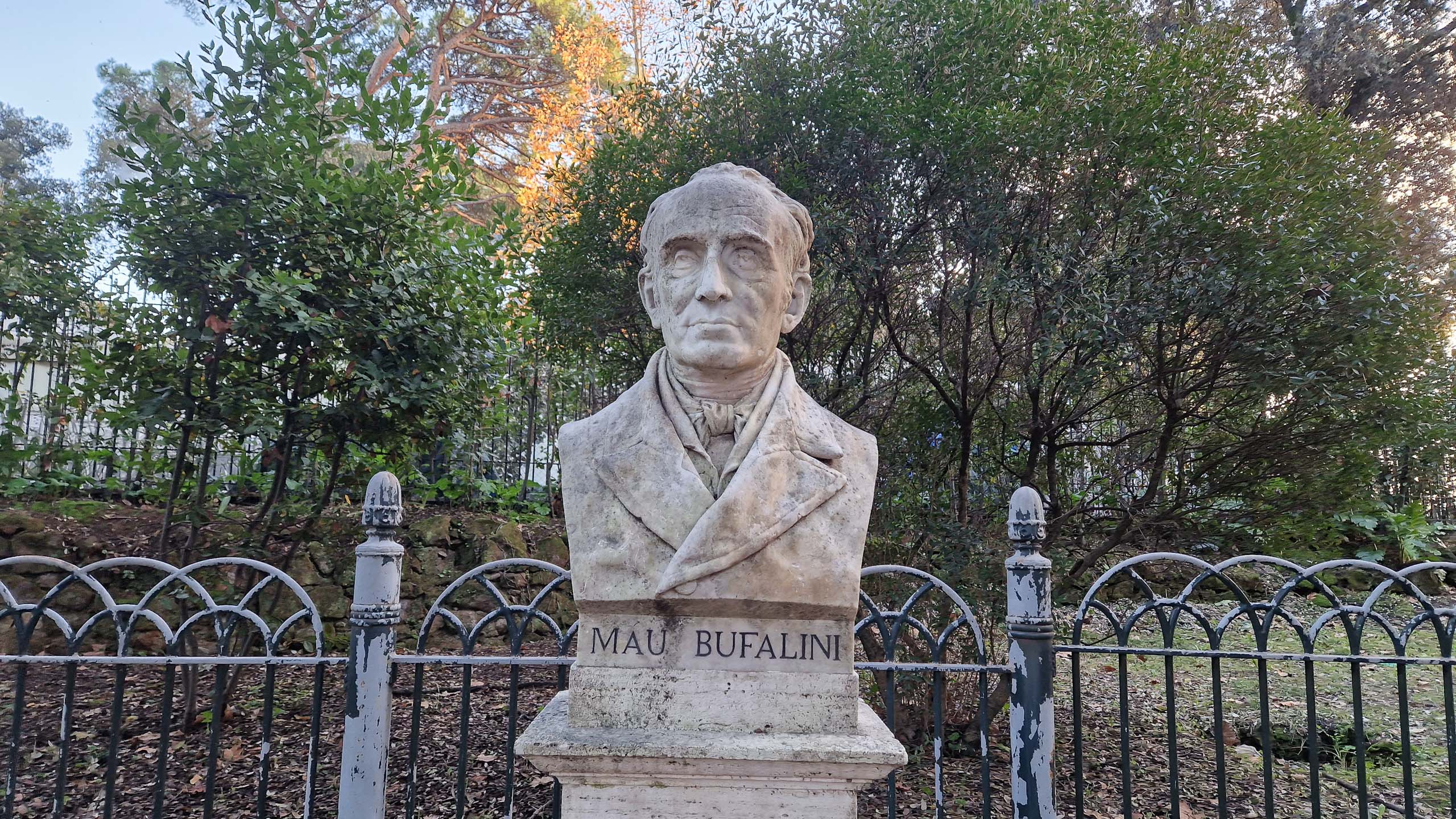
Maurizio Bufalini argued that medicine should begin with the patient and the observed facts of disease. Born in Cesena in 1787, he studied in Bologna and encountered competing medical systems that attempted to explain illness through a few general principles. He became a persistent critic of such shortcuts.
His writings on analytical pathology asked physicians to distinguish symptoms, investigate causes, classify diseases carefully, and compare the effects of treatment with what had been expected. Analysis meant separating a complicated problem into parts, then bringing the observations together into a reasoned account.
Bufalini developed this approach through teaching and clinical practice, especially in Florence. The word “experimental” in his work belongs to the medical debates of his own century; it should not be read as a claim that he already possessed modern laboratory methods or controlled clinical trials.
He died in 1875. His commemorative portrait recognizes a professional ideal of disciplined attention, in which a persuasive theory still had to answer to what a physician could actually observe.
Pincio gardens · Nearby
Tortolini taught mathematics in Rome and founded a scientific journal that connected Italian researchers with colleagues abroad.
Find on the mapPincio gardens · Nearby
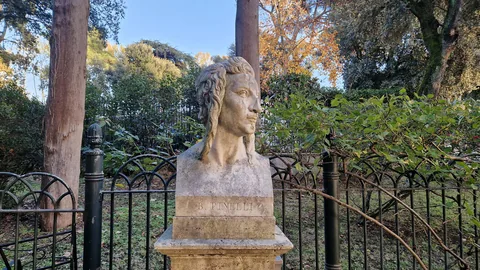
Pinelli’s prints and drawings made the people, gestures, and street life of Rome a subject for collectors and travelers.
Find on the mapPincio gardens · Nearby
Pallavicino moved from anti-Austrian conspiracy to a campaign for Italian unity under the Savoy monarchy.
Find on the mapPincio gardens · Nearby
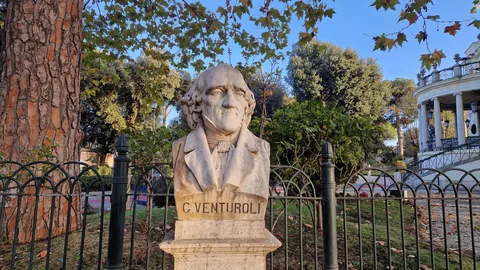
Venturoli applied mathematics to hydraulics and helped train engineers for public works in the Papal States.
Find on the map