Pincio gardens · Nearby
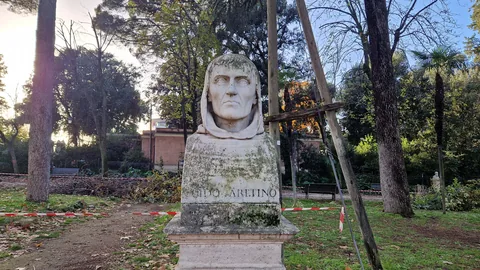
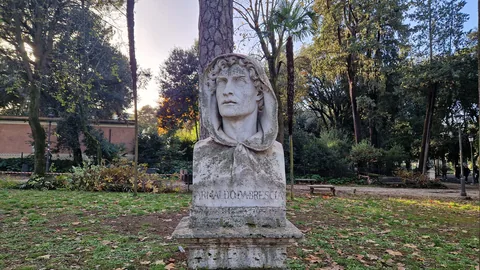
Arnold of Brescia
Arnold of Brescia challenged the Church’s worldly power and became involved in the medieval Roman commune.
Find on the mapVoice changes restart the current paragraph.
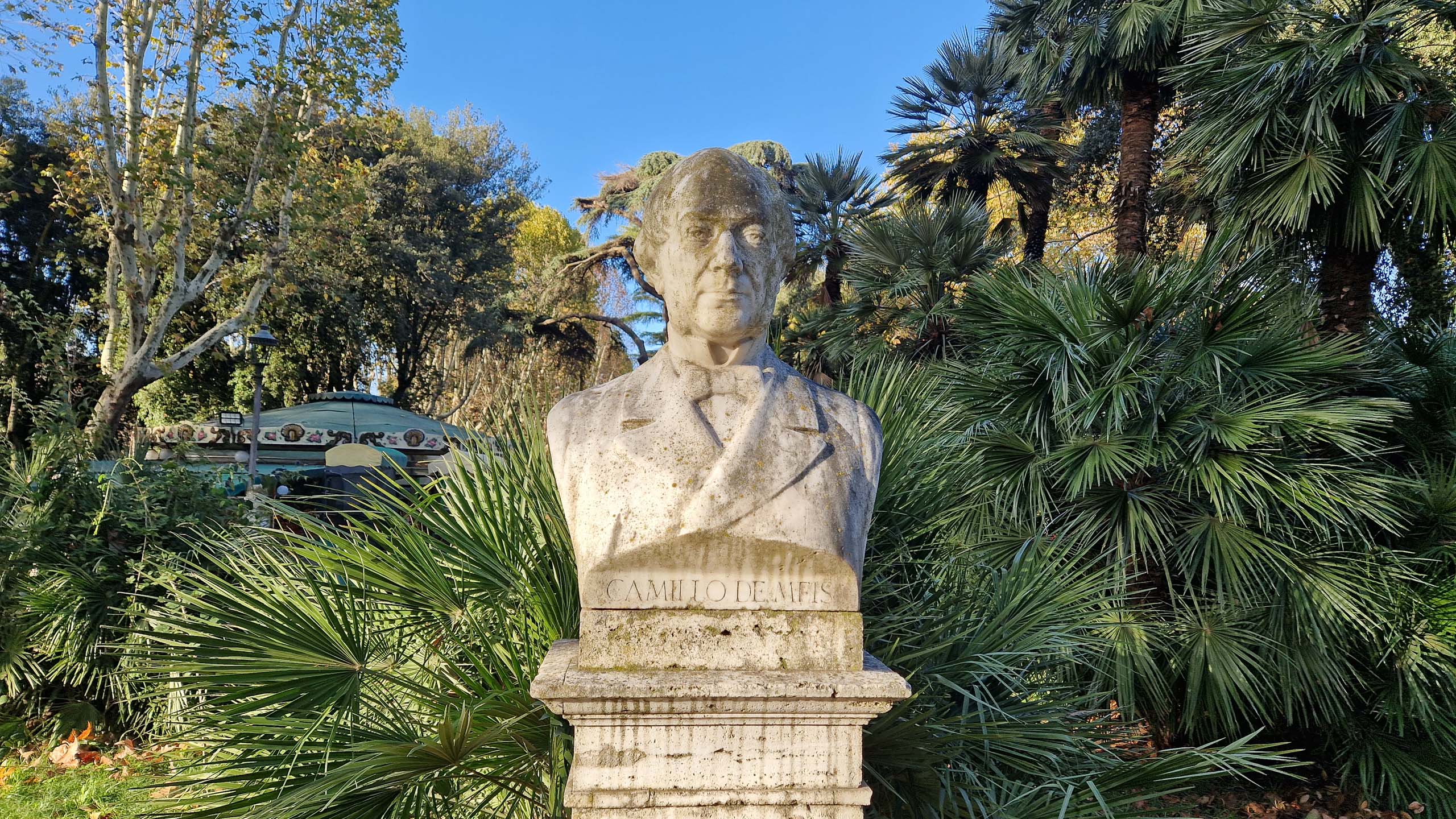
Angelo Camillo De Meis approached medicine with a question that reached beyond the consulting room: how do ways of understanding illness change as societies change? Born in Bucchianico in 1817, he combined medical practice with philosophical study and political involvement in the movement for Italian unification.
His participation in the constitutional struggles of 1848 brought exile. In Paris, he encountered a medical culture increasingly shaped by physiological investigation. He later taught the history of medicine at the University of Bologna, where he spent the final decades of his career.
De Meis drew on Hegel’s philosophy while examining the relationship between observation and broader explanations of nature. His work belongs to a period when experimental science and philosophical accounts of historical development could remain closely connected. Calling him simply a physician misses that intellectual setting.
The interest of his portrait among the Pincio’s commemorations lies in this combination of activities. Medical teaching, exile, and the construction of a new Italian state were parts of the same working life, although they did not produce a single, uncontested view of scientific progress.
Pincio gardens · Nearby
Arnold of Brescia challenged the Church’s worldly power and became involved in the medieval Roman commune.
Find on the mapPincio gardens · Nearby
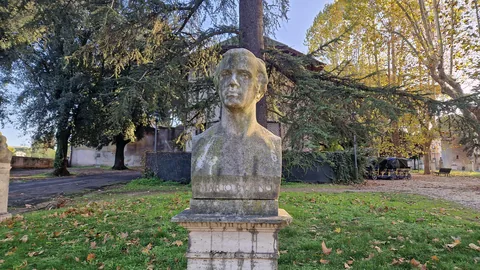
Pagano brought Enlightenment arguments about criminal justice into the short-lived Neapolitan Republic of 1799.
Find on the mapPincio gardens · Nearby
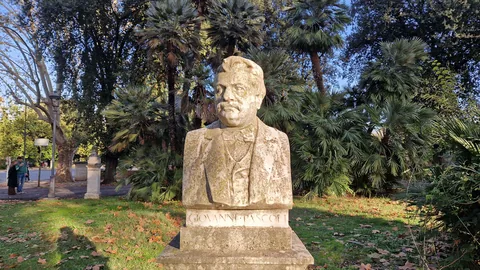
Pascoli turned small rural details into unsettling poetry about memory, loss, and the fragility of home.
Find on the mapPincio gardens · Nearby
Guido helped singers learn unfamiliar chant through written pitch and a system of memorable syllables.
Find on the map