Pincio gardens · Nearby
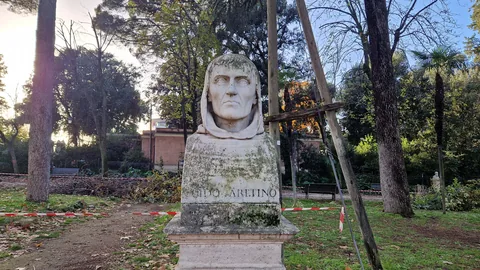
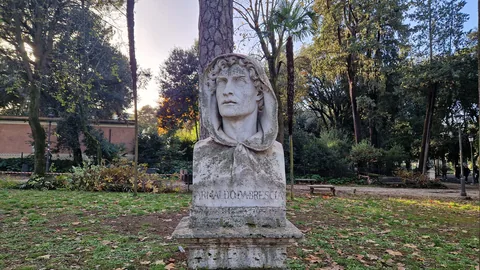
Arnold of Brescia
Arnold of Brescia challenged the Church’s worldly power and became involved in the medieval Roman commune.
Find on the mapRead aloud with your device’s voice.
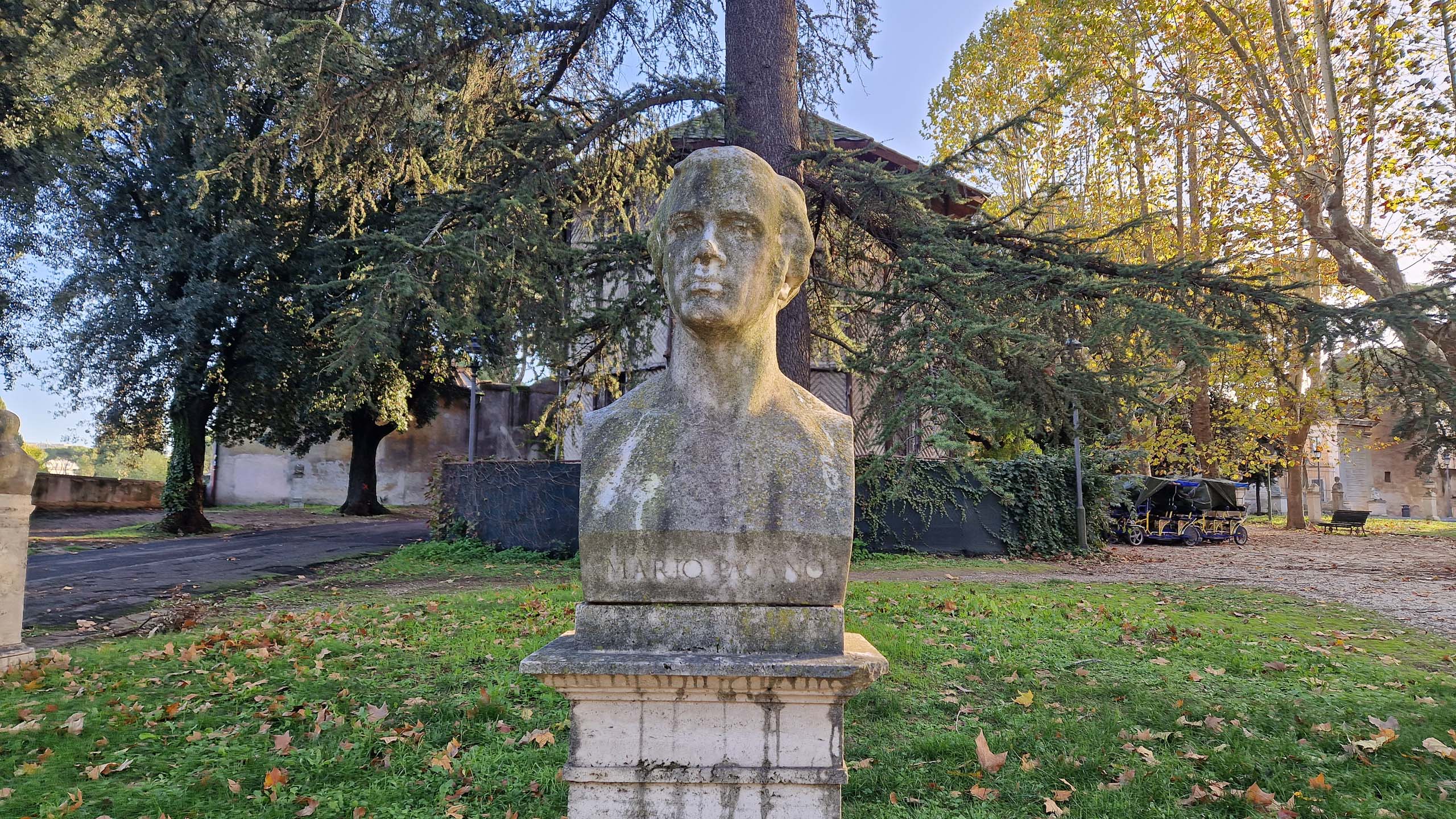
Francesco Mario Pagano’s legal scholarship led him into a revolution that ended with his execution. Born in Brienza in 1748, he taught criminal law in Naples and examined how a state should investigate crimes and judge the accused. His Considerazioni sul processo criminale appeared in 1787.
Pagano belonged to the Neapolitan Enlightenment, an intellectual world concerned with the relationship between law and social conditions. Vico’s work helped shape his thinking. Legal reform required more than replacing one ruler with another: it involved the institutions through which power operated.
During the Neapolitan Republic of 1799, Pagano served in the provisional government and helped prepare a republican constitution. The experiment lasted only months before defeat and the restoration of Bourbon rule brought Pagano’s condemnation to death.
His later commemoration connects the republic’s failure to the longer history of Italian political reform. The distinction between a proposed constitution and a functioning constitutional system is essential here. Pagano’s draft records an ambitious political project, not a settlement that had time to take root.
Pincio gardens · Nearby
Arnold of Brescia challenged the Church’s worldly power and became involved in the medieval Roman commune.
Find on the mapPincio gardens · Nearby
Guido helped singers learn unfamiliar chant through written pitch and a system of memorable syllables.
Find on the mapPincio gardens · Nearby
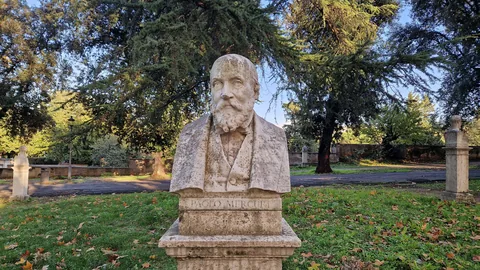
Mercuri translated paintings into engraved lines and directed Rome’s Calcografia, where prints were made, preserved, and taught.
Find on the mapPincio gardens · Nearby
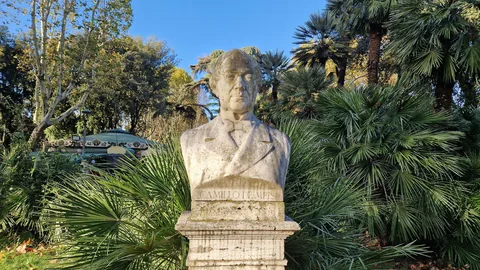
A physician and philosopher, De Meis treated the history of medicine as part of a larger argument about science and society.
Find on the map