Pincio gardens · Nearby
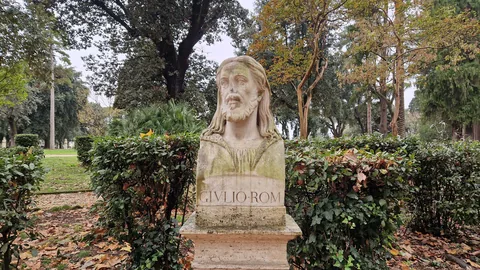
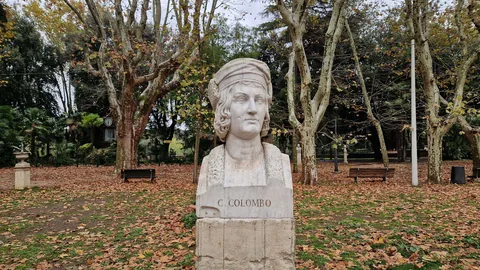
Christopher Columbus
Columbus’s Atlantic voyages connected Europe and the Caribbean through navigation, conquest, colonization, and violence against Indigenous peoples.
Find on the mapRead aloud with your device’s voice.
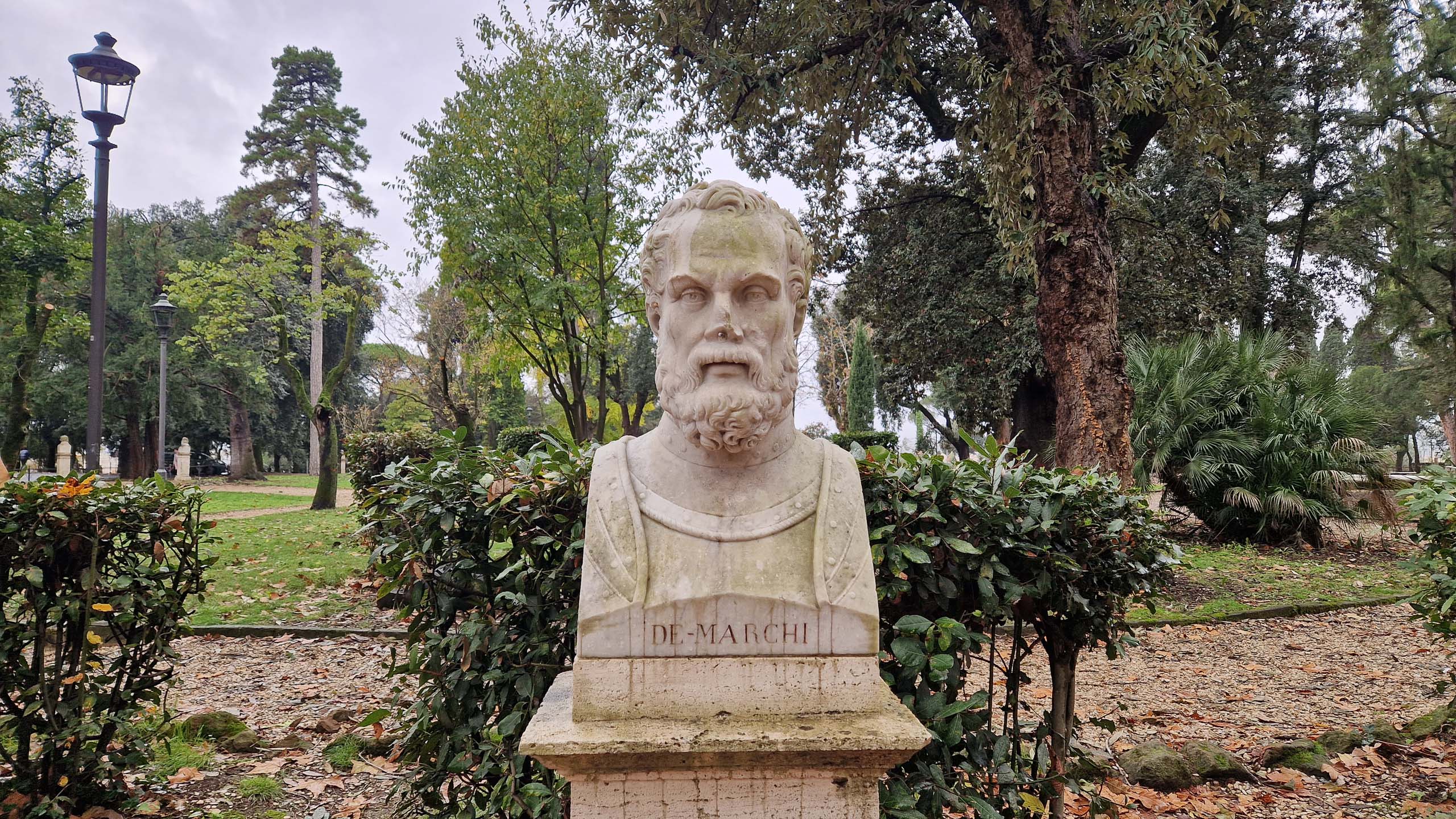
Francesco De Marchi approached the world as a place to investigate through direct encounters. Born in Bologna in 1504, he developed a career in military engineering and served Margaret of Austria. His interests extended from the design of fortifications to ancient remains and mountain terrain.
His work on defenses belonged to an age in which artillery was changing the shape of walls and strongholds. Plans had to account for lines of fire, the surrounding ground, and the practical work of construction. De Marchi combined written study with travel and observation.
At Lake Nemi he took part in an underwater investigation of the ancient Roman ships in 1535, using early diving equipment. He did not recover the vessels, but his account records an encounter with remains that would attract investigators for centuries. In 1573 he also made and described an ascent of the Gran Sasso.
De Marchi died in 1576. His writings are especially revealing where technical curiosity meets the limits of the available equipment: what could be seen, measured, or reached determined what an investigator could claim to know.
Pincio gardens · Nearby
Columbus’s Atlantic voyages connected Europe and the Caribbean through navigation, conquest, colonization, and violence against Indigenous peoples.
Find on the mapPincio gardens · Nearby
Raphael’s collaborator became a court artist in Mantua, where Palazzo Te turns classical order into theatrical surprise.
Find on the mapPincio gardens · Nearby
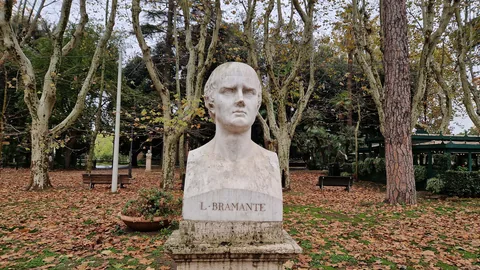
Donato Bramante used ancient Roman forms to rethink churches and helped launch the rebuilding of St. Peter’s in 1506.
Find on the mapPincio gardens · Nearby
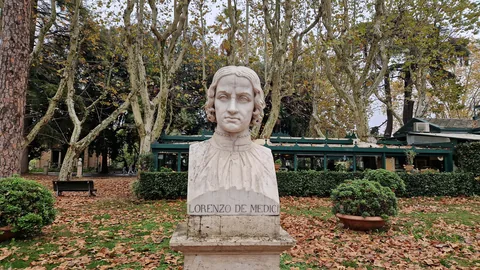
Lorenzo the Magnificent combined political control, diplomacy, poetry, and patronage in fifteenth-century Florence.
Find on the map