Pincio gardens · Nearby
Alessandro Volta
Volta’s electric pile provided a sustained source of current and opened new possibilities for experimental science.
Find on the mapRead aloud with your device’s voice.
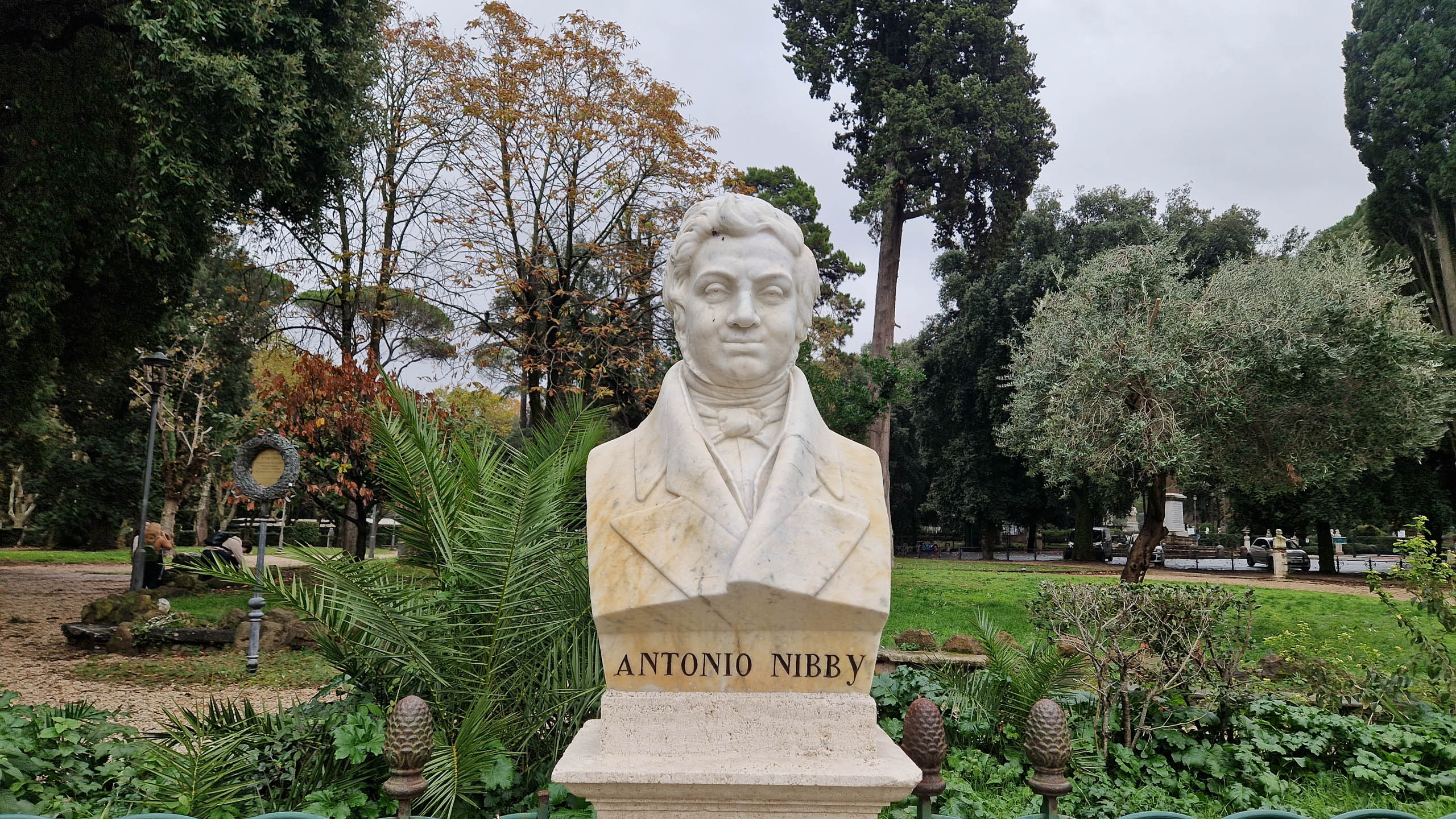
Antonio Nibby tried to place ancient names on actual ground. Born in Rome in 1792, he studied classical languages and archaeology, then combined written sources with the examination of buildings, roads, inscriptions, and the countryside around the city.
His Analisi storico-topografico-antiquaria della carta de' dintorni di Roma, published in 1837, brought years of that work together. The task required comparison: an ancient passage, a visible ruin, and the course of a road might support an identification, or expose a problem with a traditional name.
Nibby also participated in excavations in the Forum and Colosseum area with Giuseppe Valadier. Clearing structures and recording their relationships changed how visitors could understand the ancient city. Some of his conclusions have been revised, but the effort to join texts to physical evidence remains central to Roman topography.
He died in 1839. Familiar archaeological labels have histories of their own. They emerged through arguments over the evidence, and further discoveries can change them.
Pincio gardens · Nearby
Volta’s electric pile provided a sustained source of current and opened new possibilities for experimental science.
Find on the mapPincio gardens · 23 m away
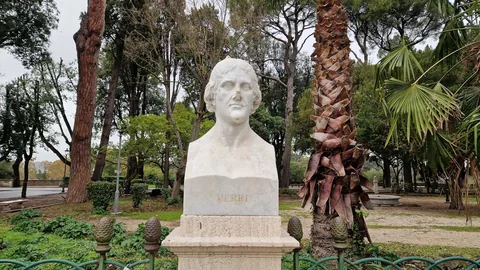
Verri moved from Milanese Enlightenment journalism to historical fiction inspired by the ancient remains of Rome.
Find on the mapPincio gardens · 23 m away
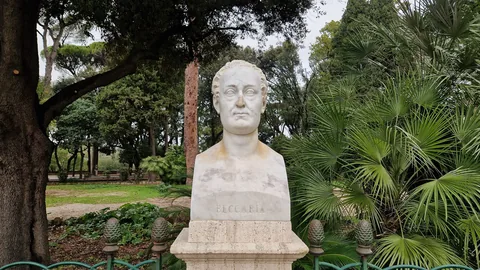
Beccaria’s On Crimes and Punishments challenged torture, excessive penalties, and the arbitrary use of state power.
Find on the mapPincio gardens · 23 m away
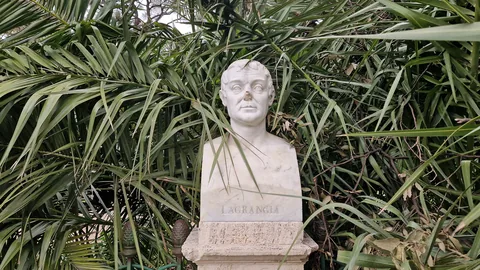
Lagrange developed mathematical methods that expressed mechanics through general equations rather than separate solutions for each machine or motion.
Find on the map