Pincio gardens · Nearby
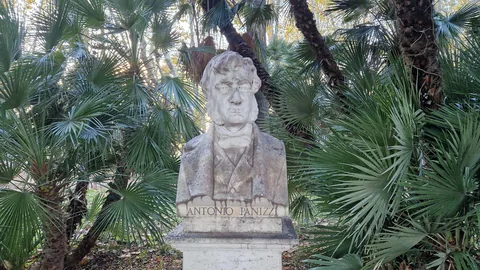
Antonio Panizzi
Panizzi helped make the British Museum’s books easier to find and its reading facilities better suited to a growing collection.
Find on the mapRead aloud with your device’s voice.
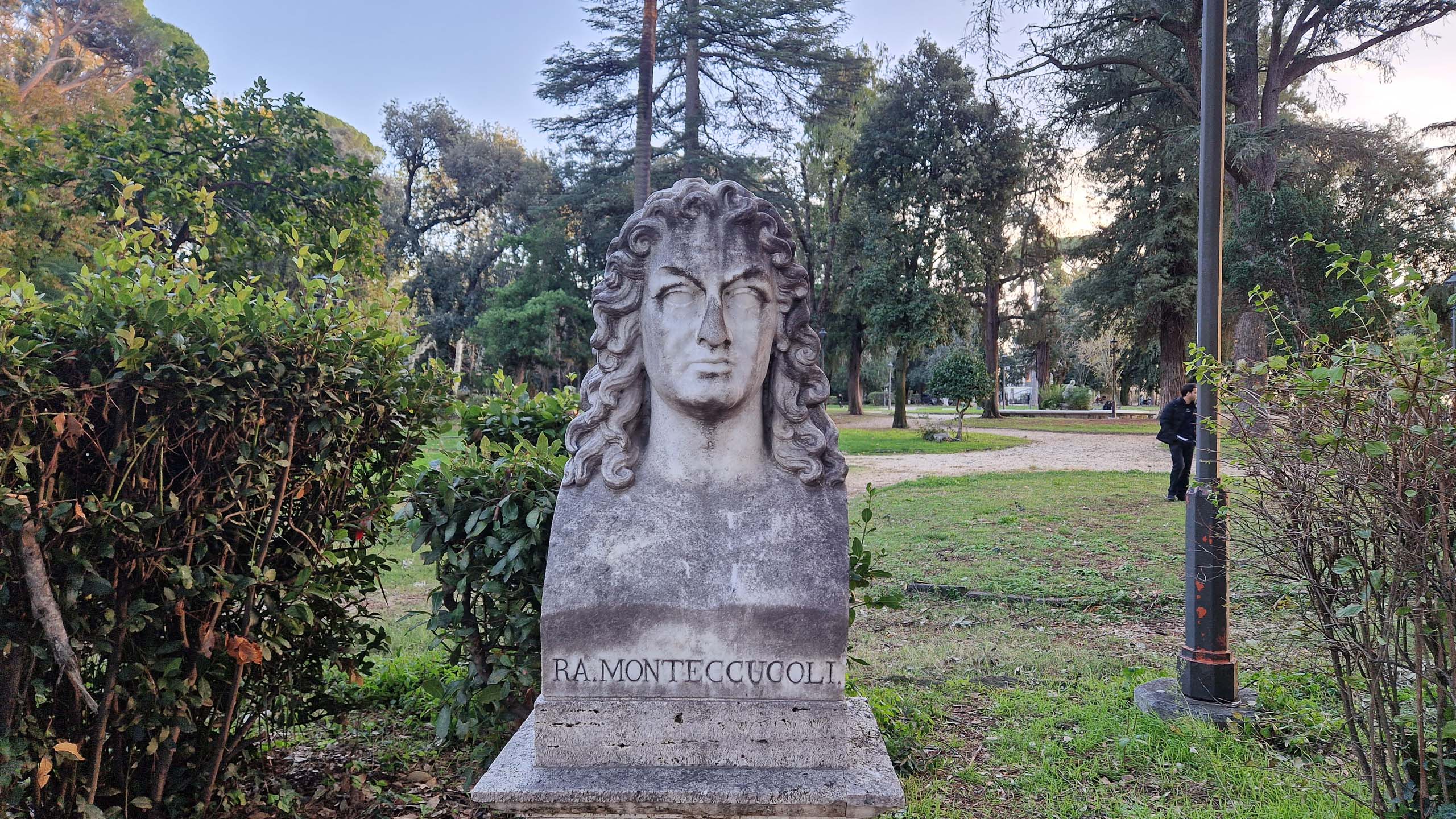
Raimondo Montecuccoli served the Habsburg monarchy in wars fought far from his birthplace near Modena. In 1664, he commanded the allied force that defeated an Ottoman army at Saint Gotthard. The campaign belongs to the military history of central Europe, rather than to an Italian national army that did not yet exist.
Born in 1609, he gained experience through prolonged service, setbacks, and captivity. Command required attention to supplies and the condition of troops as well as decisions on the battlefield. Those practical concerns informed his military writings.
His theoretical reputation grew through the later publication and circulation of texts that drew on that experience. They examine how resources and preparation constrain a general’s choices. A successful battle could be the visible outcome of less visible administrative work, though it did not make every subsequent political settlement favorable.
Montecuccoli died in 1680. His portrait among Italian commemorations shows how a later national collection could claim a figure whose career had been organized around service to a different dynasty and a multinational military system.
Pincio gardens · Nearby
Panizzi helped make the British Museum’s books easier to find and its reading facilities better suited to a growing collection.
Find on the mapPincio gardens · Nearby
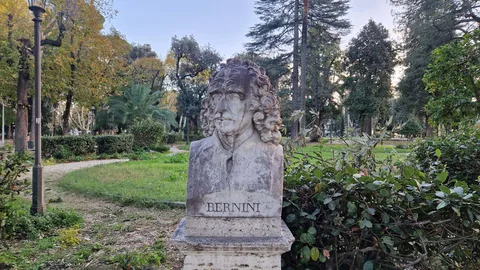
Bernini’s Borghese sculptures make action depend on the viewer’s position, turning carved stone into a sequence of discoveries.
Find on the mapPincio gardens · Nearby
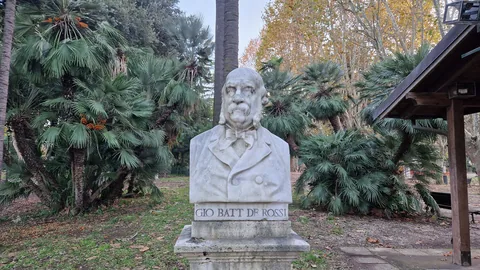
De Rossi combined inscriptions and excavation to reconstruct the early Christian burial landscapes outside Rome.
Find on the mapPincio gardens · Nearby
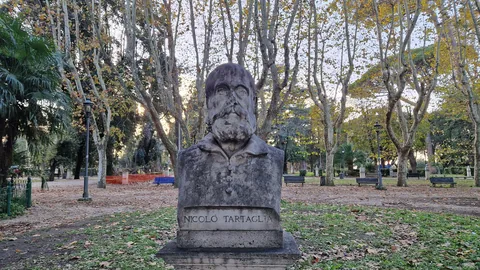
Tartaglia’s work on cubic equations became entangled in disputes over mathematical discovery and the right to publish it.
Find on the map