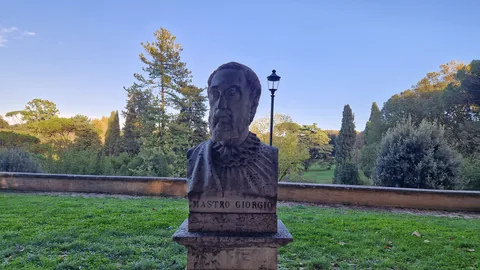
Pincio gardens · Nearby
Giorgio Andreoli
Giorgio Andreoli’s Gubbio workshop added metallic luster to ceramics, sometimes completing vessels painted in another city.
Find on the mapRead aloud with your device’s voice.
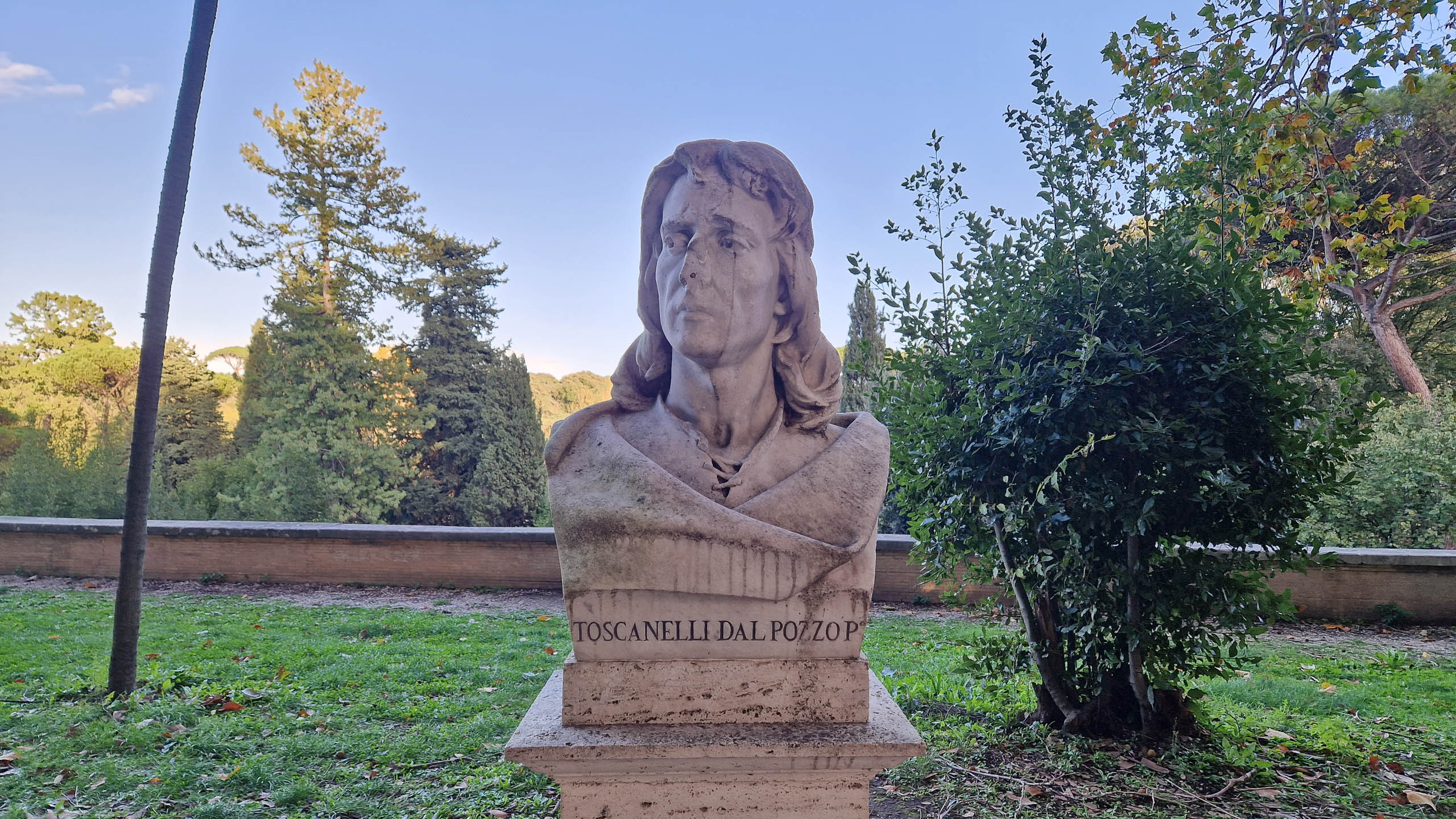
Paolo dal Pozzo Toscanelli used the cathedral of Florence as an astronomical instrument. A small opening high in the building projected sunlight onto the floor near the summer solstice. Such observations could establish the Sun’s position without requiring a telescope, and the cathedral’s height increased the scale of the measurement.
Born in 1397, Toscanelli trained in medicine and worked in mathematics and astronomy. His studies included observations of comets. The combination belongs to a period when these fields were less sharply separated into professions than they are today.
He also argued that Asia could be reached by sailing west across the Atlantic. His proposed geography underestimated the intervening distance and did not account for the American continents. The connection between his correspondence and Columbus’s plans has been extensively debated; it should not be reduced to a claim that Toscanelli simply supplied a correct route.
He died in 1482, ten years before Columbus’s Atlantic voyage. That chronology is a useful corrective to the impression that the two men’s achievements were parts of a single, continuously supervised expedition.
Pincio gardens · Nearby
Giorgio Andreoli’s Gubbio workshop added metallic luster to ceramics, sometimes completing vessels painted in another city.
Find on the mapPincio gardens · 25 m away
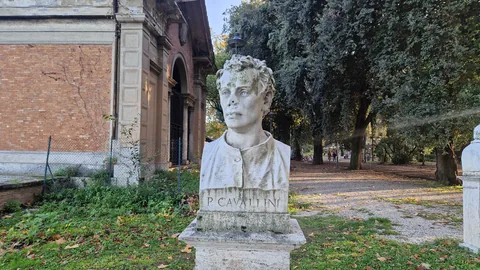
Cavallini’s Roman mosaics and frescoes give sacred figures weight and presence without abandoning their ceremonial order.
Find on the mapPincio gardens · 30 m away
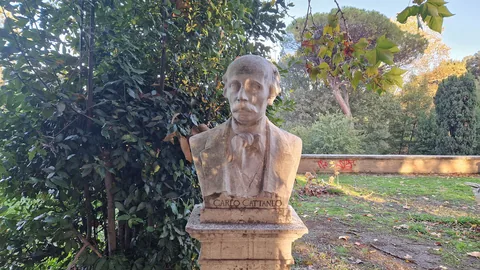
Cattaneo argued for a federal republic and treated practical knowledge as a means of social and political improvement.
Find on the mapPincio gardens · 30 m away
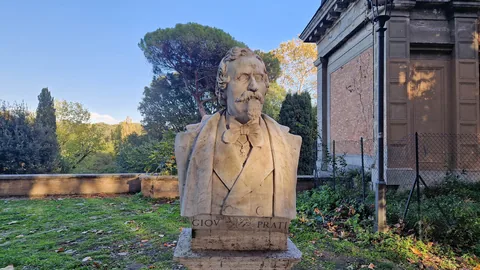
Prati’s popular verse moved between private emotional drama and public support for the Savoy monarchy.
Find on the map