Pincio gardens · Nearby
Carlo Maratta
Maratta joined a major career in painting to the restoration of Raphael’s Roman frescoes.
Find on the mapRead aloud with your device’s voice.
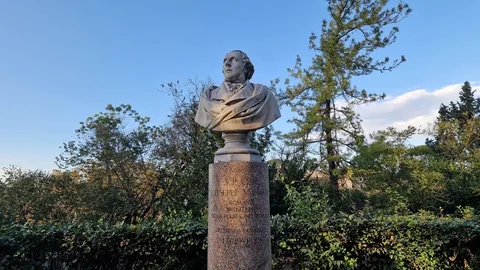
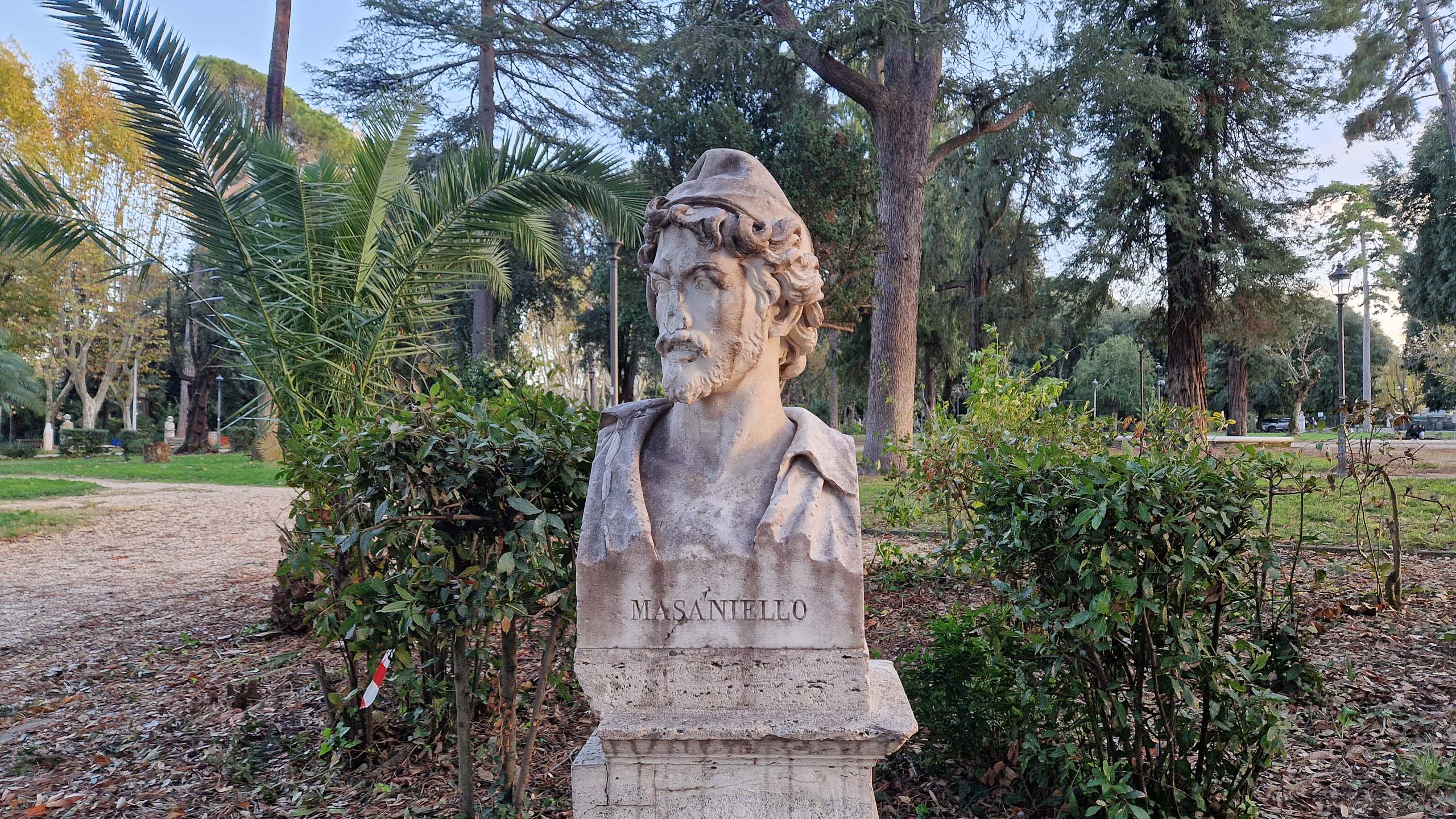
Masaniello led a revolt in Naples that began over taxation on everyday necessities. His prominence lasted only days in July 1647, but later art and politics gave the episode a far longer life. The man remembered in the bust was a fish seller named Tommaso Aniello, not a professional statesman.
The revolt took place under Spanish viceregal government. Protesters challenged fiscal burdens and abuses of authority, while negotiations involved people with very different interests in the city’s government. Masaniello’s public position depended on a movement that he could not fully control.
He was killed on July 16, 1647. Unrest continued after his death, so the wider Neapolitan crisis should not be confined to the short period of his leadership. Stories of his final days also require care: hostile and admiring accounts helped construct competing images of sanity, betrayal, and popular power.
His later reputation made him available as a symbol to causes far removed from seventeenth-century Naples. The Pincio portrait belongs to that reception: a brief moment of leadership by a man outside the ruling elite became a lasting public image.
Pincio gardens · Nearby
Maratta joined a major career in painting to the restoration of Raphael’s Roman frescoes.
Find on the mapPincio gardens · Nearby
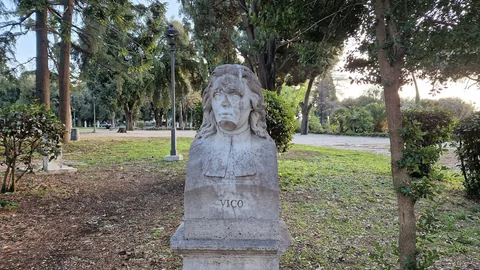
Vico used language and myth to investigate how people create the institutions and assumptions of their social world.
Find on the mapPincio gardens · Nearby
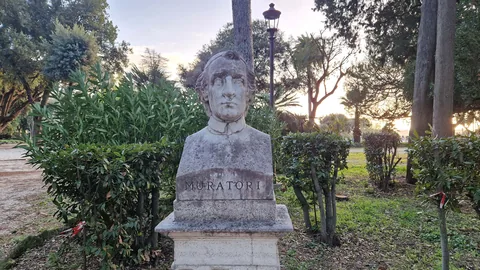
Muratori made medieval chronicles and documents available in large editions that changed the basis of historical research.
Find on the mapPincio gardens · 29 m away
Valadier helped shape the Pincio and Piazza del Popolo, while his restorations made ancient monuments part of modern Rome.
Find on the map