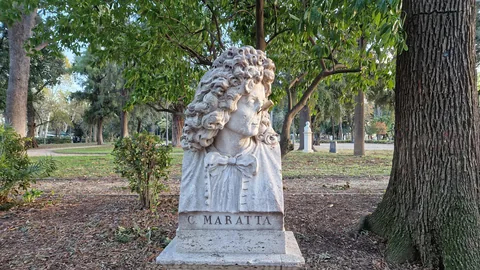
Pincio gardens · Nearby
Carlo Maratta
Maratta joined a major career in painting to the restoration of Raphael’s Roman frescoes.
Find on the mapRead aloud with your device’s voice.
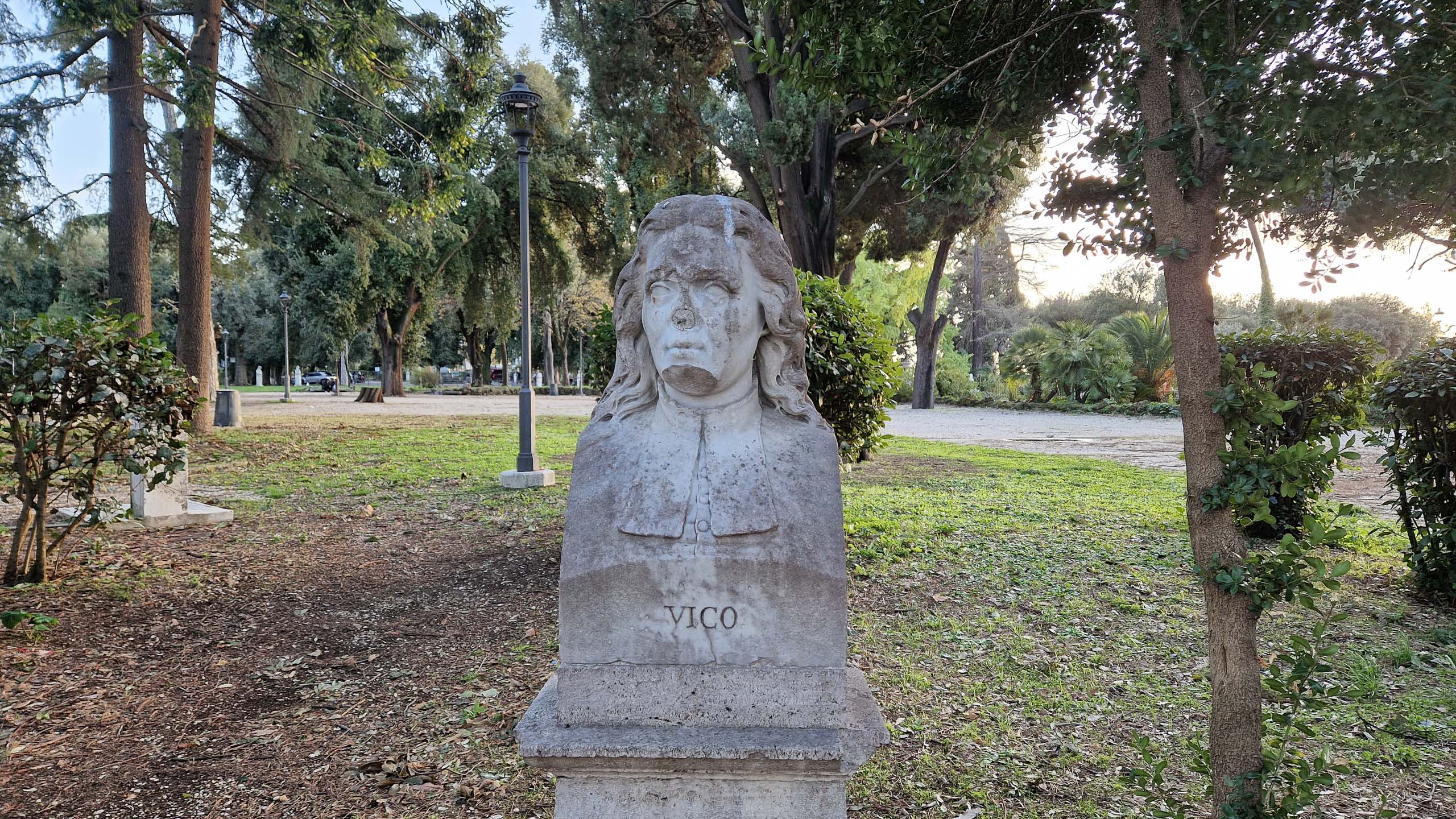
Giambattista Vico argued that human institutions have a history that can be investigated through the things people make. Language and law are part of that evidence, as are stories that a later age might dismiss as merely fantastic. Myth could preserve a way of thinking different from modern abstract reasoning.
Born in Naples in 1668, Vico taught rhetoric and developed these arguments in the New Science. The book first appeared in 1725 and was substantially revised in later editions. Its difficult form reflects an attempt to connect different kinds of historical evidence within a common account.
His discussion of recurring patterns in history is often reduced to a formula in which identical events repeat forever. He was concerned with comparable forms of social development and possible regression, not the mechanical return of every individual occurrence.
The value of the inquiry lies partly in its demand that readers take unfamiliar mental worlds seriously. Language and institutions could organize experience differently in the past. Vico’s work made that difference a subject for historical explanation.
Pincio gardens · Nearby
Maratta joined a major career in painting to the restoration of Raphael’s Roman frescoes.
Find on the mapPincio gardens · Nearby
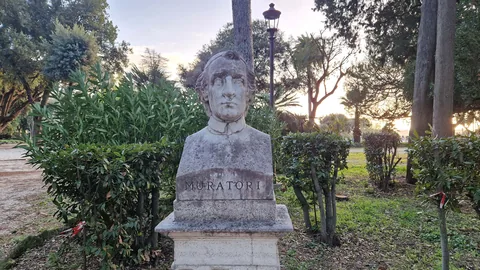
Muratori made medieval chronicles and documents available in large editions that changed the basis of historical research.
Find on the mapPincio gardens · Nearby
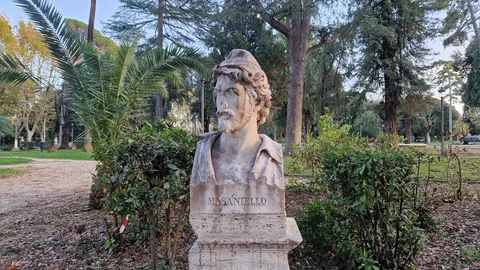
Masaniello’s brief leadership of the 1647 Naples revolt became a lasting image of popular resistance to taxation.
Find on the mapPincio gardens · 29 m away
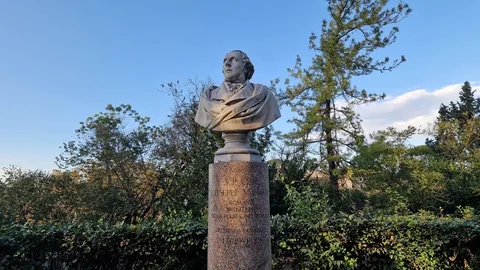
Valadier helped shape the Pincio and Piazza del Popolo, while his restorations made ancient monuments part of modern Rome.
Find on the map