Pincio gardens · Nearby
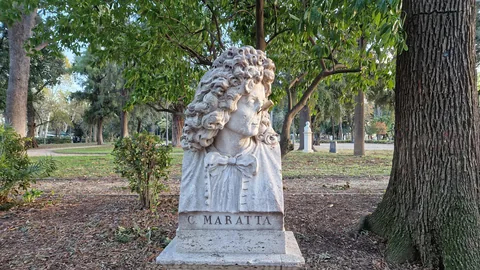
Carlo Maratta
Maratta joined a major career in painting to the restoration of Raphael’s Roman frescoes.
Find on the mapRead aloud with your device’s voice.
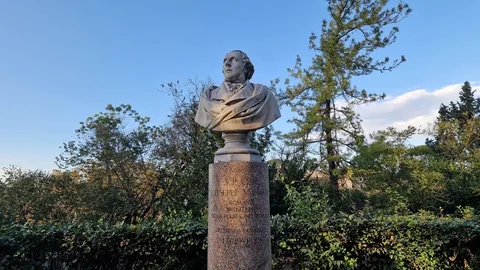
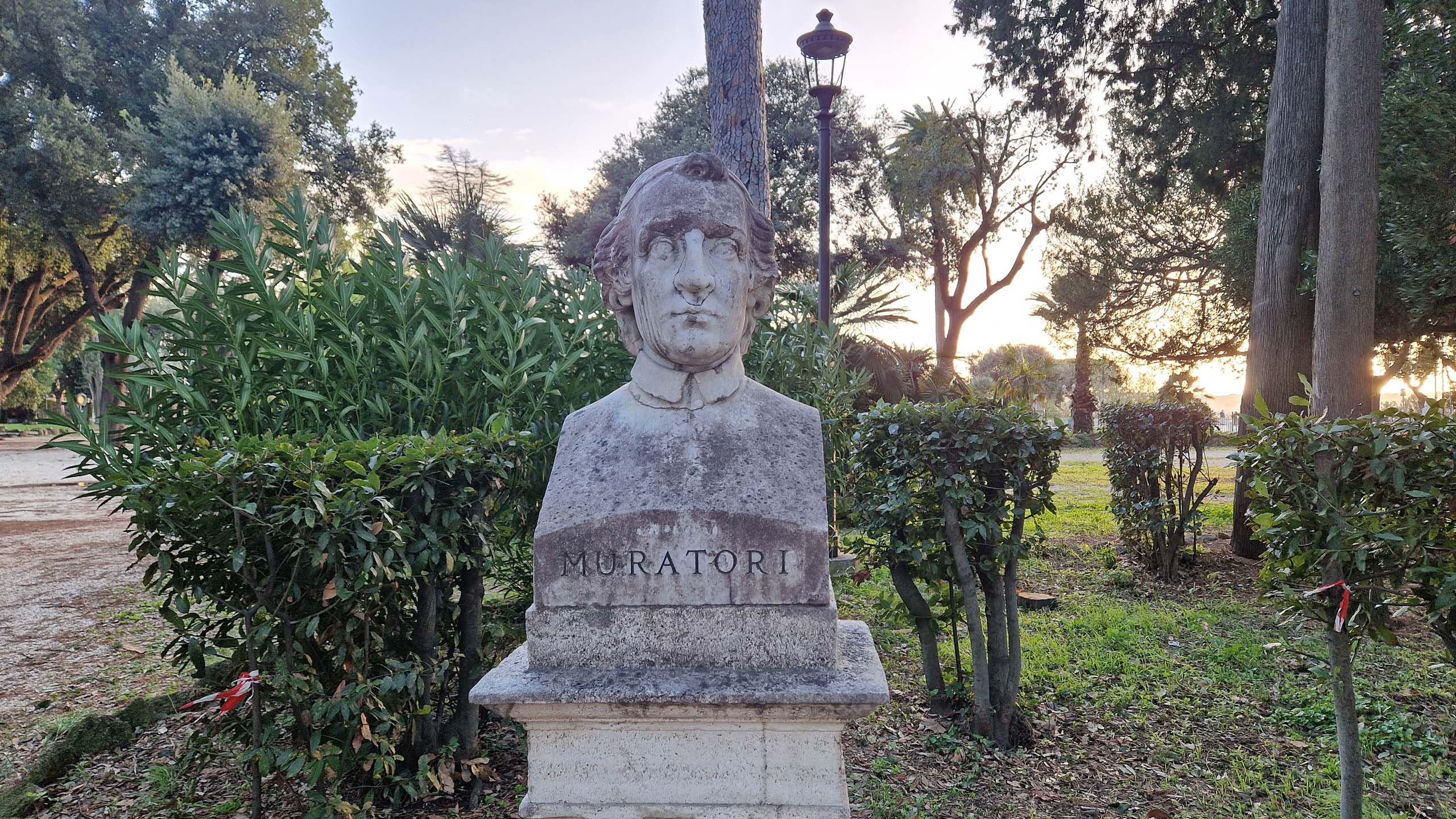
Ludovico Antonio Muratori helped historians work from a wider body of evidence. His Rerum Italicarum Scriptores assembled texts relating to medieval Italy in a major publishing project begun in the 1720s. Bringing scattered chronicles into print made comparison possible for readers who could not inspect every manuscript.
Born in Vignola in 1672, Muratori was a priest and scholar whose career included work in Milan and Modena. Libraries and archives supplied the foundation of his research. Publication required an extensive network of correspondents and collaborators as well as his own editorial labor.
The Antiquitates Italicae Medii Aevi examined medieval institutions and practices across many kinds of documents. The Middle Ages became a period to investigate in detail, rather than merely an interval between classical antiquity and its revival.
His editions remain historically important even where later scholarship has corrected readings or attributions. Making a source accessible does not settle every question about it. Muratori’s achievement was to enlarge the material on which those questions could be pursued.
Pincio gardens · Nearby
Maratta joined a major career in painting to the restoration of Raphael’s Roman frescoes.
Find on the mapPincio gardens · Nearby
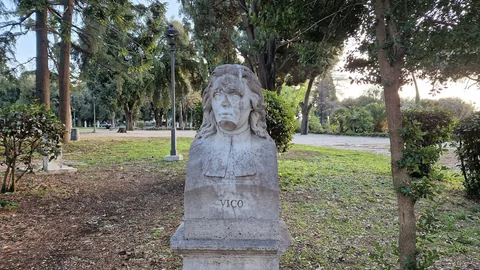
Vico used language and myth to investigate how people create the institutions and assumptions of their social world.
Find on the mapPincio gardens · Nearby
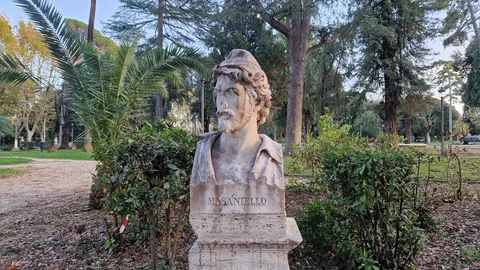
Masaniello’s brief leadership of the 1647 Naples revolt became a lasting image of popular resistance to taxation.
Find on the mapPincio gardens · 29 m away
Valadier helped shape the Pincio and Piazza del Popolo, while his restorations made ancient monuments part of modern Rome.
Find on the map