Pincio gardens · Nearby
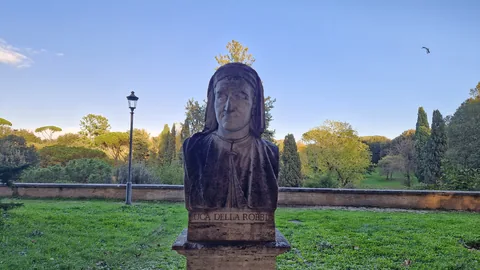
Luca della Robbia
Luca della Robbia developed glazed terracotta sculpture alongside a career in marble, including Florence Cathedral’s singing gallery.
Find on the mapRead aloud with your device’s voice.
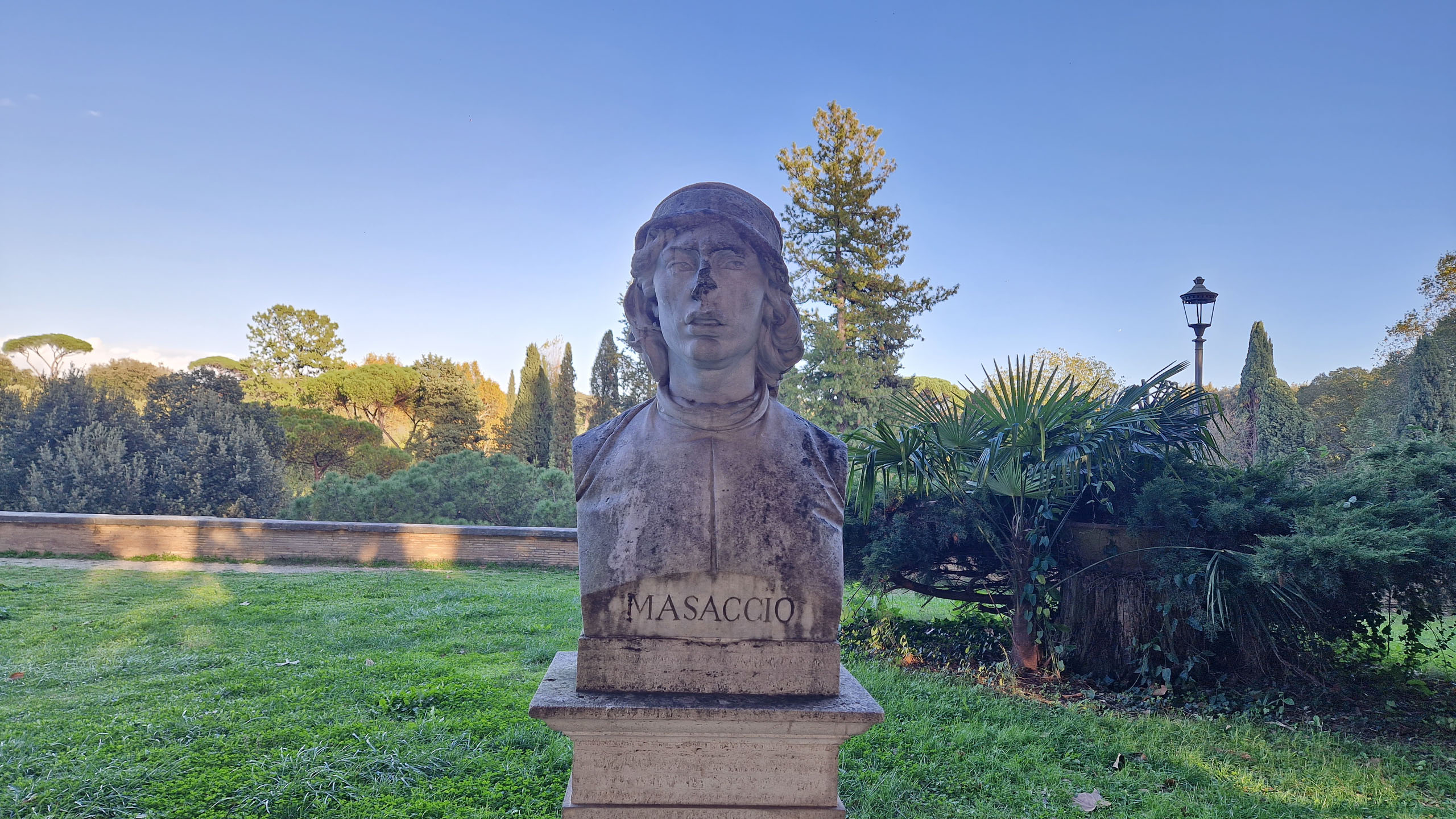
Masaccio’s figures occupy space with an unusual physical insistence. In the Brancacci Chapel in Florence, light and shadow give bodies weight, while gestures connect people within a shared setting. Relationships across the scene carry the effect, alongside the anatomical detail of individual figures.
Born in 1401, he worked alongside Masolino on the chapel’s frescoes. The distinction between their contributions matters, as does the later completion of the decoration by Filippino Lippi. The ensemble was not painted by one artist in a single uninterrupted campaign.
In the Trinity at Santa Maria Novella, an illusionistic chapel recedes behind the painted figures. Perspective gives the sacred scene an architectural setting that seems to continue beyond the church wall. Its measured space coexists with the image’s devotional purpose.
Masaccio died in Rome in 1428, still in his twenties. The short career left important works and substantial gaps in the record. Later stories of his death are less secure than the paintings through which his contribution can be assessed. His place in Renaissance art does not require the exaggerated claim that he invented realistic painting by himself.
Pincio gardens · Nearby
Luca della Robbia developed glazed terracotta sculpture alongside a career in marble, including Florence Cathedral’s singing gallery.
Find on the mapPincio gardens · Nearby
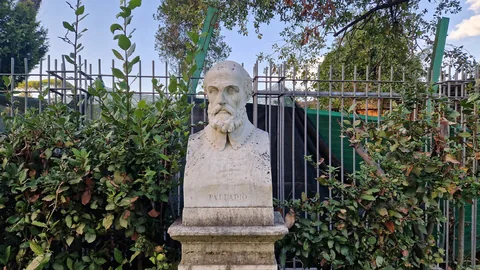
Palladio adapted ancient architectural forms to villas, civic buildings, and churches, then explained those choices in print.
Find on the mapPincio gardens · Nearby
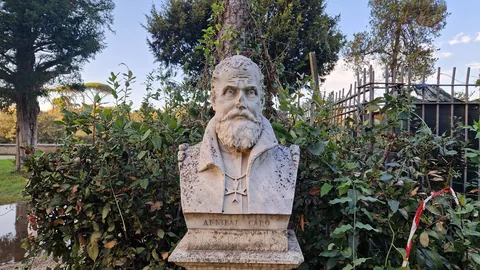
Caro’s Italian Aeneid gave Virgil a new poetic voice, while his court employment connected literature with the planning of images.
Find on the mapPincio gardens · Nearby
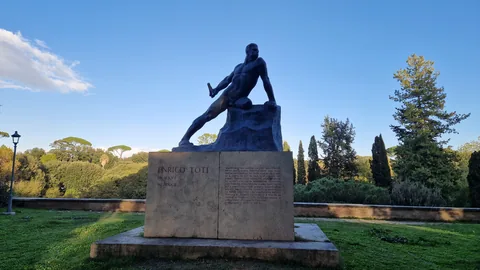
Arturo Dazzi’s bronze monument commemorates a Roman railway worker whose death in World War I became a national heroic image.
Find on the map