Pincio gardens · Nearby
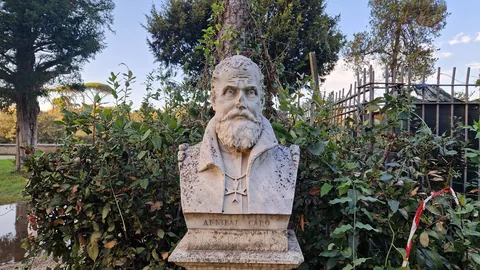
Annibale Caro
Caro’s Italian Aeneid gave Virgil a new poetic voice, while his court employment connected literature with the planning of images.
Find on the mapVoice changes restart the current paragraph.
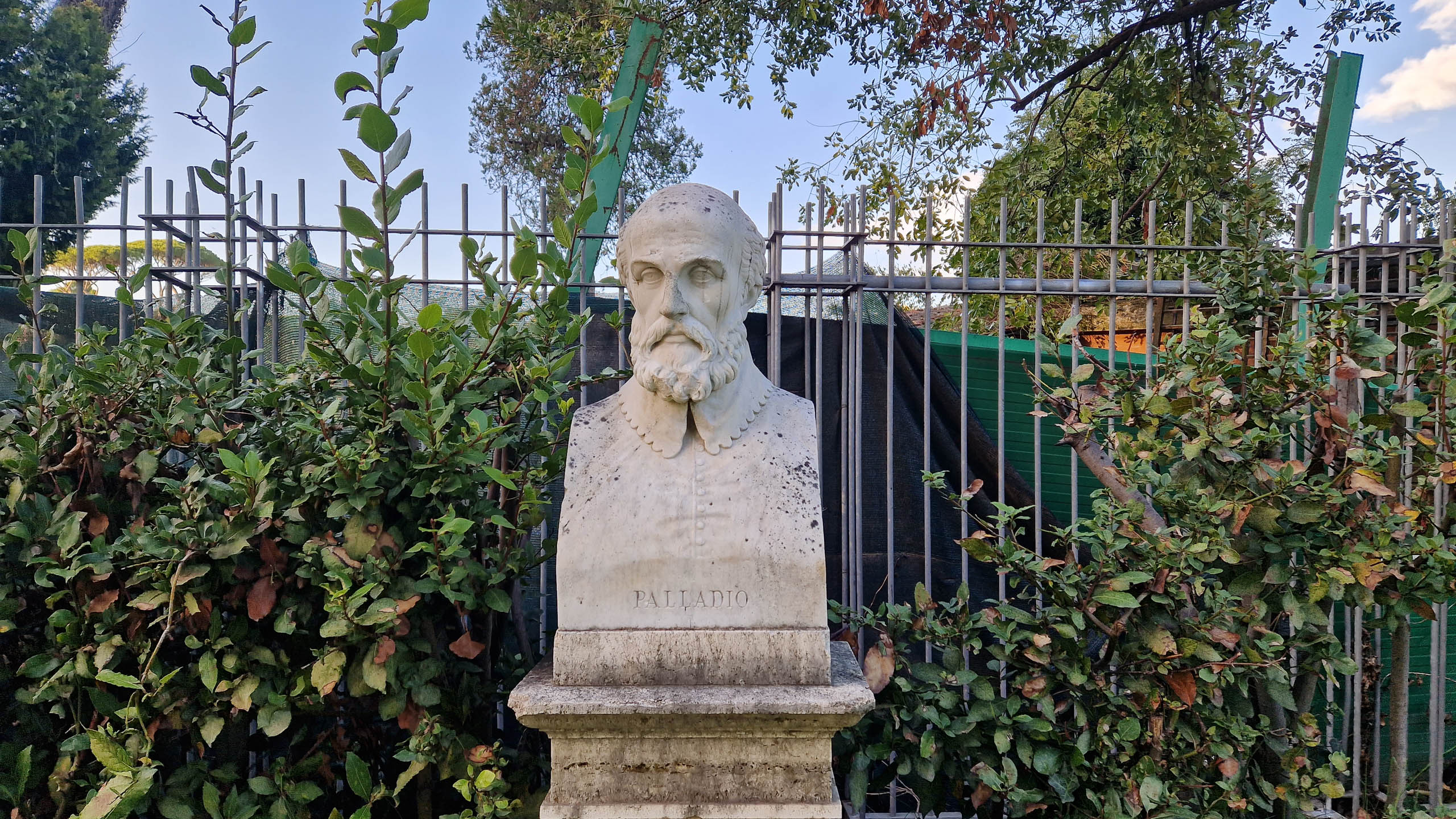
Andrea Palladio’s classical buildings were made for specific clients and uses. A temple front could become the entrance to a country house; an ancient civic type could help organize a modern public building. The resemblance to antiquity was a starting point for design, not a requirement to reproduce a ruin exactly.
Born in Padua in 1508, Palladio developed much of his career in Vicenza and the surrounding Veneto. The Basilica Palladiana’s loggias reorganized an existing civic complex. Despite its name, the basilica is not a church.
The villa known as the Rotonda gives four sides a related architectural importance, with porticoes arranged around a central domed space. Its formal symmetry should be distinguished from the working requirements of Palladio’s agricultural villas, many of which included substantial service buildings.
The Four Books of Architecture, published in 1570, made his study of ancient buildings and his own designs available to a much wider audience. The published plates sometimes present an idealized or revised project rather than an exact record of what was built. That distinction matters when comparing the book with a surviving building.
Pincio gardens · Nearby
Caro’s Italian Aeneid gave Virgil a new poetic voice, while his court employment connected literature with the planning of images.
Find on the mapPincio gardens · Nearby
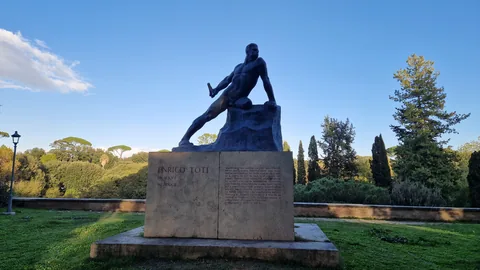
Arturo Dazzi’s bronze monument commemorates a Roman railway worker whose death in World War I became a national heroic image.
Find on the mapPincio gardens · Nearby
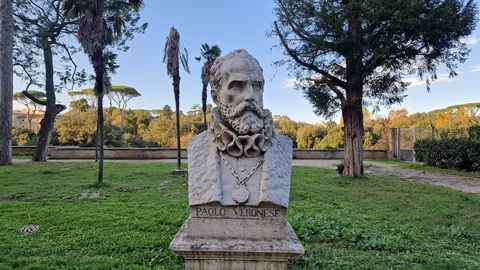
Veronese staged painted banquets on an architectural scale, bringing sacred stories into crowded worlds of wealth and display.
Find on the mapPincio gardens · Nearby
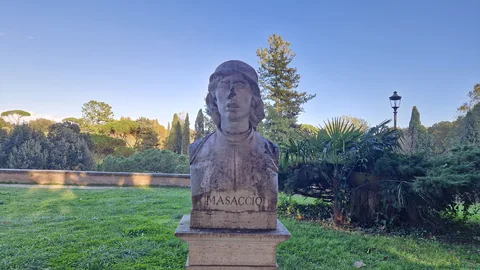
Masaccio gave painted figures physical weight and placed sacred events in spaces that appear measurable and inhabited.
Find on the map