Pincio gardens · Nearby
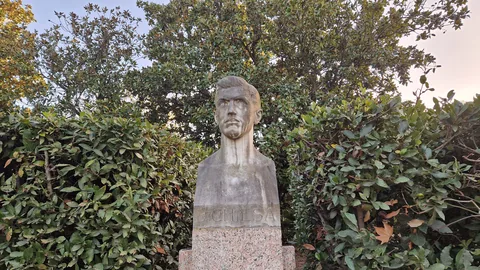
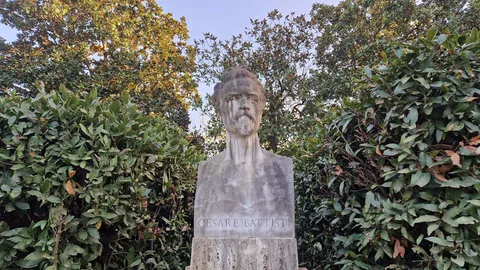
Cesare Battisti
Battisti combined geographical research and socialist politics before volunteering for Italy and being executed by Austria-Hungary in 1916.
Find on the mapRead aloud with your device’s voice.
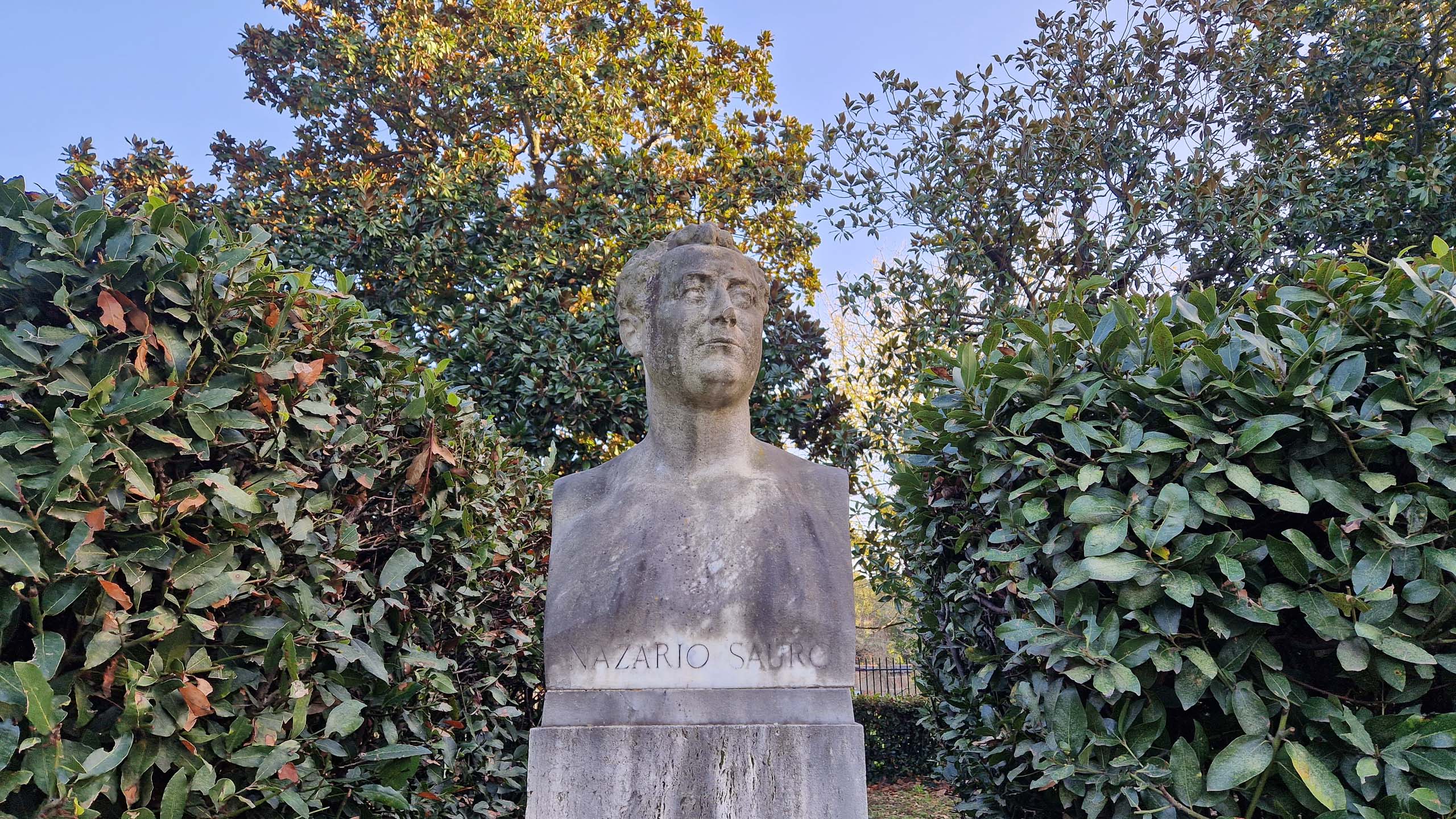
Nazario Sauro knew the northern Adriatic through work at sea. Born in 1880 in Capodistria, now Koper in Slovenia, he grew up in Habsburg Istria and became a merchant mariner. He also supported the Italian irredentist movement, which sought to unite territories it considered Italian with the Kingdom of Italy.
After leaving for Italy, Sauro volunteered for the Italian navy in 1915. His local knowledge was useful during operations along the eastern Adriatic coast. In July 1916 he was aboard the submarine Giacinto Pullino when it ran aground during a mission; Austrian forces captured him afterward.
Recognized as an Austrian subject serving the enemy, he was convicted of treason and hanged in Pola, now Pula in Croatia, on August 10, 1916. Italy awarded him a posthumous Gold Medal of Military Valor.
His commemoration links seamanship to the struggle over the Adriatic borderlands. The Italian patriotic reading of his death became widely visible in monuments and place names. The region's mixed communities and rival national movements provide the historical setting for understanding that memory.
Pincio gardens · Nearby
Battisti combined geographical research and socialist politics before volunteering for Italy and being executed by Austria-Hungary in 1916.
Find on the mapPincio gardens · Nearby
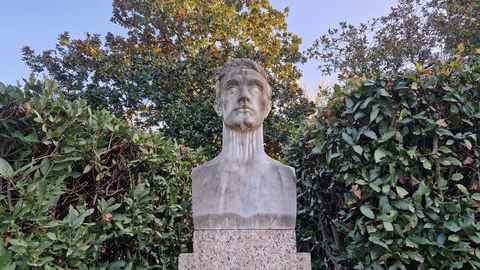
A student from Habsburg Trentino who volunteered for Italy, Chiesa was captured and executed for treason in 1916.
Find on the mapPincio gardens · Nearby
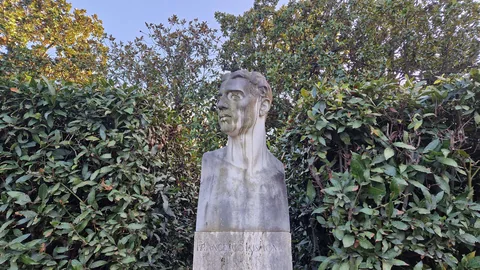
A lawyer and Italian volunteer from the Habsburg Adriatic borderlands, Filzi was executed with Cesare Battisti in Trento in 1916.
Find on the mapPincio gardens · Nearby
A volunteer from Split in Dalmatia, Rismondo disappeared after capture in 1915 and became a symbol of Italian irredentism.
Find on the map