Pincio gardens · Nearby
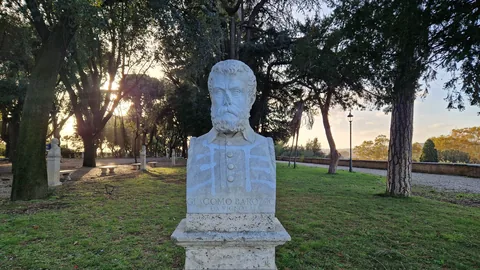
Baldassarre Peruzzi
Peruzzi worked across painting and architecture, using real and represented space to answer difficult Roman sites.
Find on the mapRead aloud with your device’s voice.
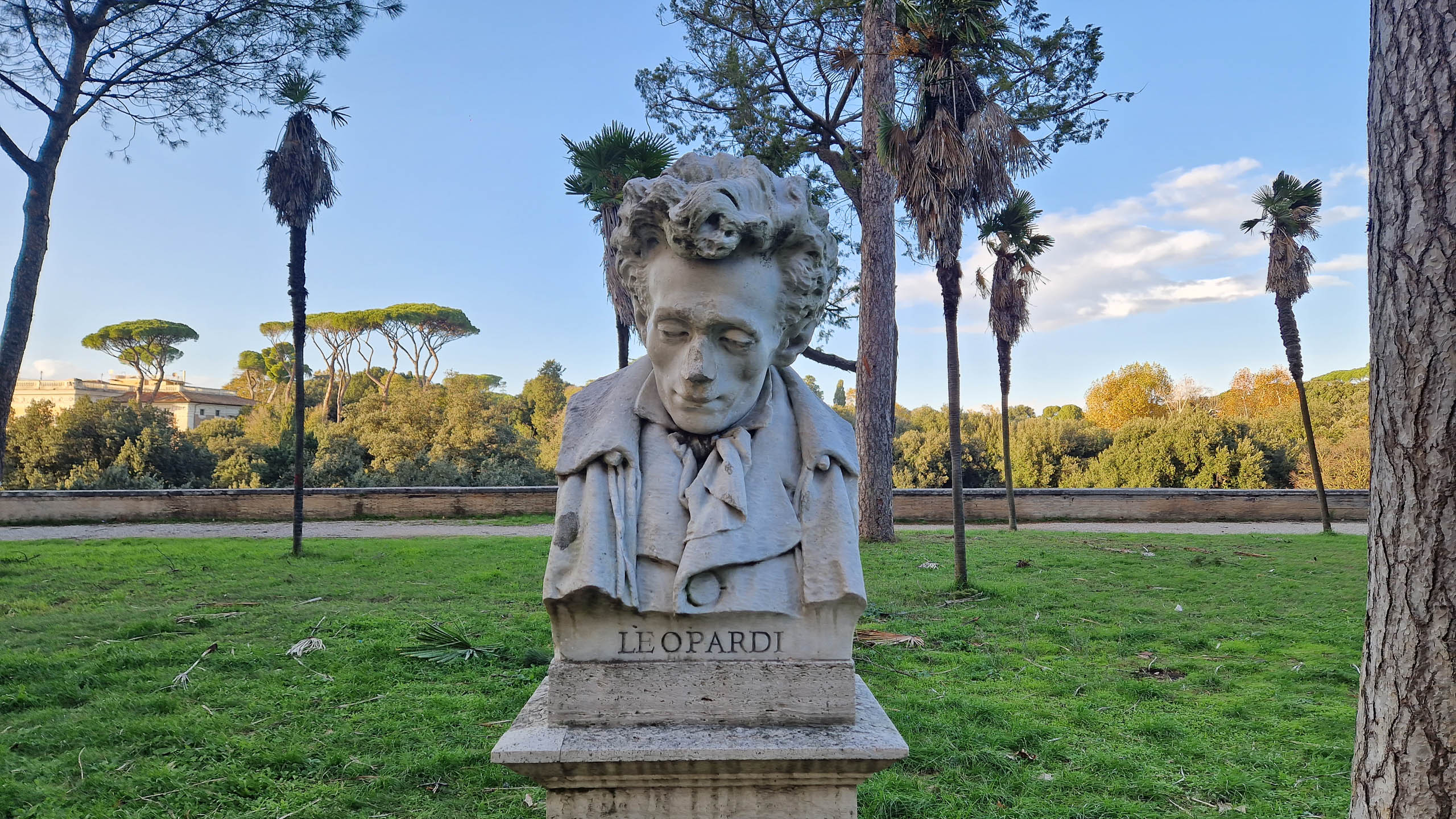
A hedge that blocks the view becomes the starting point of L’infinito. Sight stops at the hedge. Imagination can move beyond it. Giacomo Leopardi’s short poem does not describe an unlimited landscape directly; it constructs an encounter between a physical boundary and the mind’s response.
Born in Recanati in 1798, Leopardi trained himself through intensive study of classical languages and literature. His notebooks, collected as the Zibaldone, preserve investigations of language, memory, and human desire. They show a thinker repeatedly testing ideas rather than merely recording a settled philosophy of gloom.
The prose dialogues of the Operette morali give those questions different dramatic voices. Human beings seek happiness in a world that offers no reliable guarantee of it. The argument reaches beyond personal disappointment or ill health, though both formed part of his life.
In the late poem La ginestra, the landscape of Vesuvius becomes a setting for considering human vulnerability and solidarity. Recognizing shared exposure to natural forces can support cooperation without promising that nature will reward it. This gives his work an ethical consequence often missed by the label pessimist.
Pincio gardens · Nearby
Peruzzi worked across painting and architecture, using real and represented space to answer difficult Roman sites.
Find on the mapPincio gardens · Nearby
Vignola made the classical orders easier to apply and designed major buildings for papal and Farnese patrons.
Find on the mapPincio gardens · 35 m away
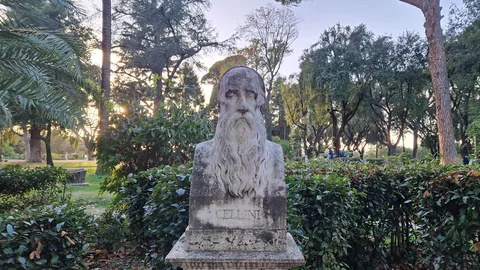
Cellini made goldsmithing and sculpture serve princely display, then cast his own turbulent career as the subject of an autobiography.
Find on the mapPincio gardens · 35 m away
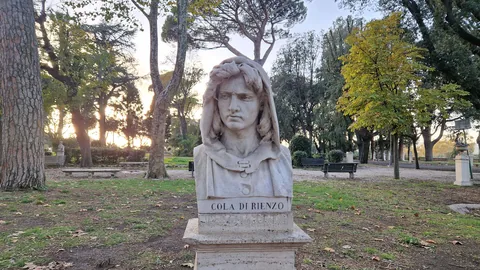
A Roman notary who became tribune in 1347, Cola di Rienzo used the language of ancient Rome to challenge the city’s barons.
Find on the map