Pincio gardens · Nearby
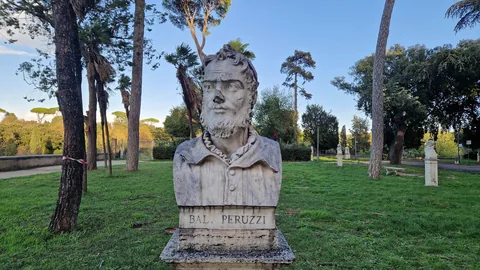
Baldassarre Peruzzi
Peruzzi worked across painting and architecture, using real and represented space to answer difficult Roman sites.
Find on the mapRead aloud with your device’s voice.
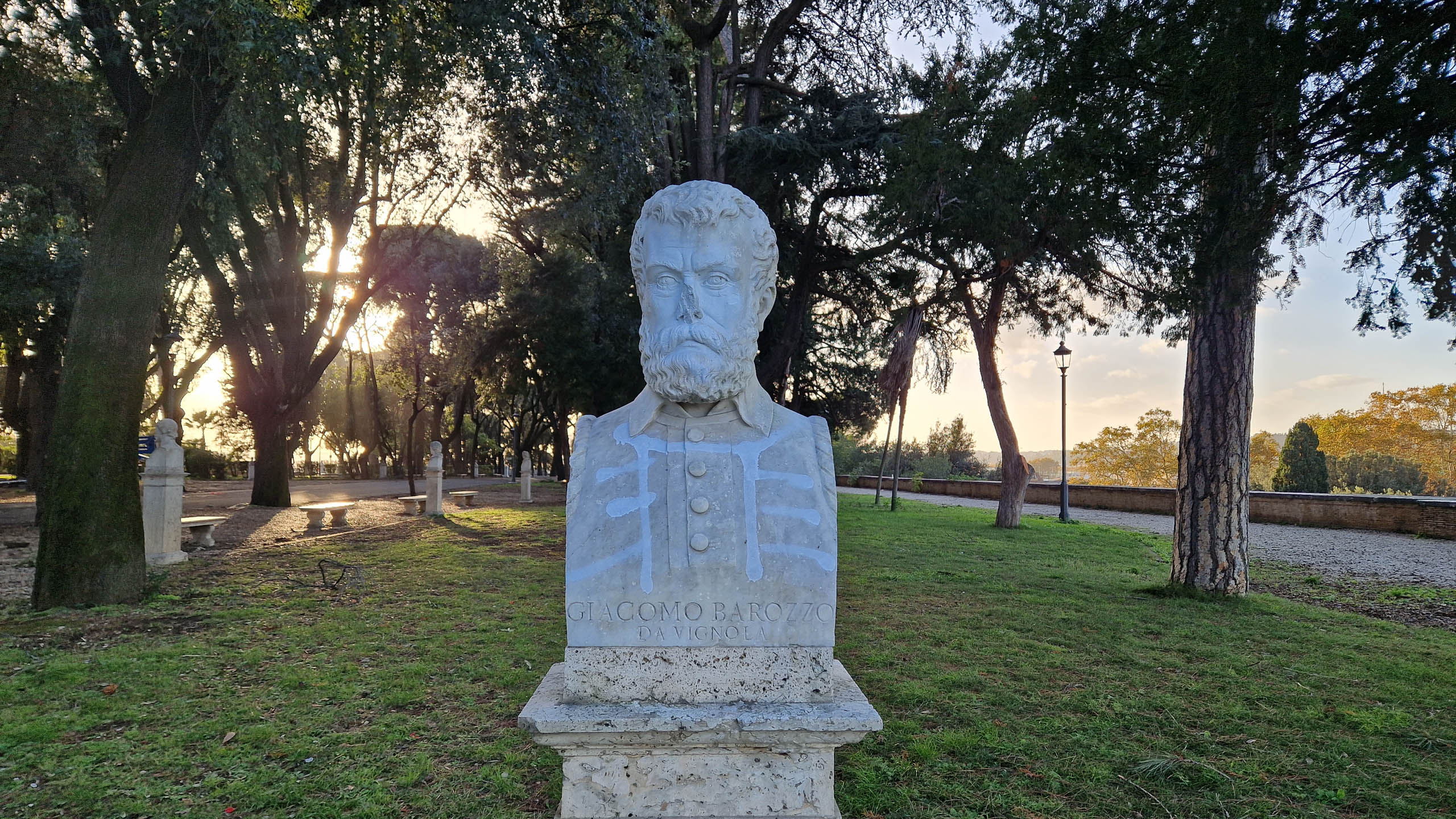
Giacomo Barozzi, known as Vignola, turned the classical orders into a clear working system. His Rule of the Five Orders of Architecture, published in 1562, reduced complicated questions of proportion to relationships that could be drawn and applied. Its usefulness helped the book circulate far beyond its original setting.
Born in 1507, Vignola worked on major projects in Rome and Lazio. He contributed to Villa Giulia for Pope Julius III and developed the Farnese palace at Caprarola from an earlier fortified scheme. The result at Caprarola combines the commanding presence of the pentagonal exterior with the organization of a residence inside it.
At the Gesù in Rome, his design established a broad nave with side chapels. The building became influential in later Catholic church design, but the facade seen today is by Giacomo della Porta. Assigning the whole church to Vignola conceals that division of responsibility.
He died in Rome in 1573. His buildings and treatise show two forms of architectural authority: resolving a particular commission and giving other designers a reusable set of proportions.
Pincio gardens · Nearby
Peruzzi worked across painting and architecture, using real and represented space to answer difficult Roman sites.
Find on the mapPincio gardens · Nearby
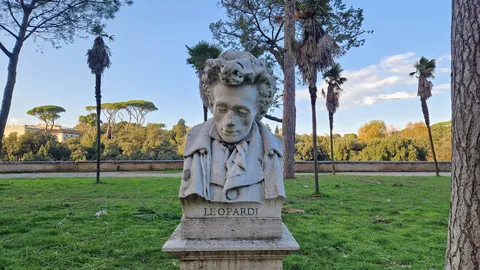
Leopardi’s poetry examines desire and imagination without assuming that the natural world exists for human consolation.
Find on the mapPincio gardens · 35 m away
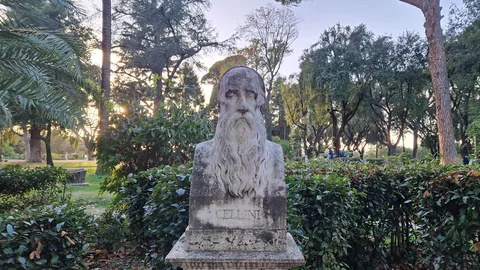
Cellini made goldsmithing and sculpture serve princely display, then cast his own turbulent career as the subject of an autobiography.
Find on the mapPincio gardens · 35 m away
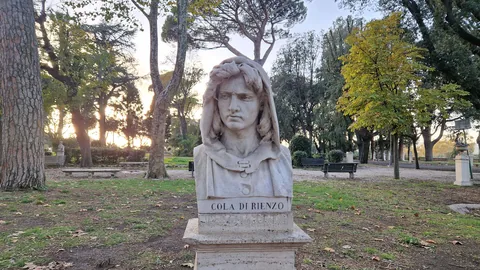
A Roman notary who became tribune in 1347, Cola di Rienzo used the language of ancient Rome to challenge the city’s barons.
Find on the map