Pincio gardens · Nearby
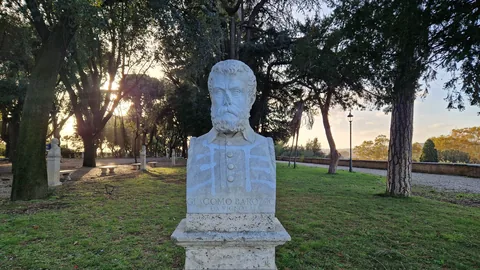
Giacomo Barozzi da Vignola
Vignola made the classical orders easier to apply and designed major buildings for papal and Farnese patrons.
Find on the mapRead aloud with your device’s voice.
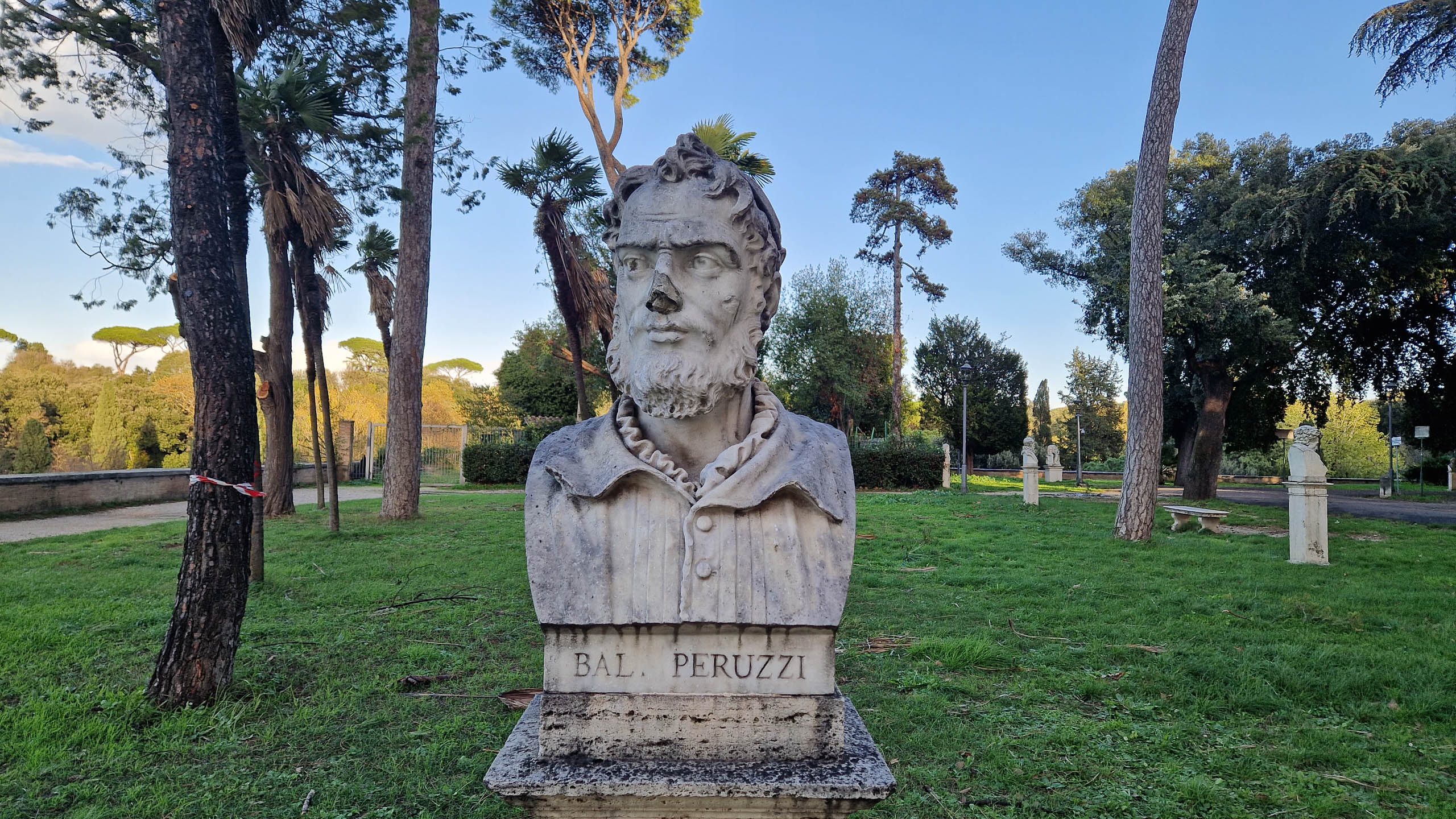
Baldassarre Peruzzi’s Roman work moves between the design of buildings and the illusion of architecture in paint. At the villa now called the Farnesina, the house commissioned by Agostino Chigi provided a setting in which those practices could meet. Painted views and real rooms participate in the same carefully arranged experience of space.
Born near Siena in 1481, Peruzzi developed a career in Rome before the sack of the city in 1527 disrupted its artistic life. He returned to work for Siena and later resumed major Roman commissions. His knowledge included practical building problems as well as the study of ancient forms.
Palazzo Massimo alle Colonne answers an irregular site with a curved street facade and a recessed columned entrance. The curve accommodates the irregular plot and gives the building its distinctive public face.
Peruzzi’s drawings also mattered to other architects, including Sebastiano Serlio. His influence therefore cannot be measured only by a list of completed buildings. Designs transmitted on paper could carry solutions into projects for which he held no direct responsibility.
Pincio gardens · Nearby
Vignola made the classical orders easier to apply and designed major buildings for papal and Farnese patrons.
Find on the mapPincio gardens · Nearby
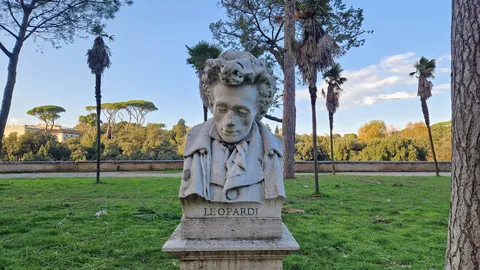
Leopardi’s poetry examines desire and imagination without assuming that the natural world exists for human consolation.
Find on the mapPincio gardens · 35 m away
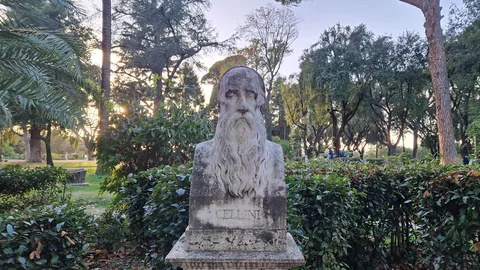
Cellini made goldsmithing and sculpture serve princely display, then cast his own turbulent career as the subject of an autobiography.
Find on the mapPincio gardens · 35 m away
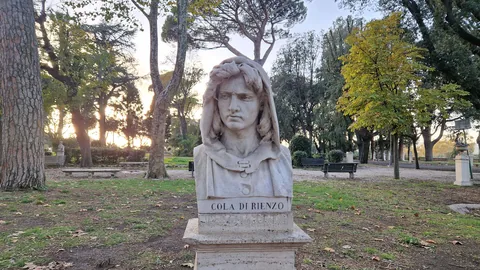
A Roman notary who became tribune in 1347, Cola di Rienzo used the language of ancient Rome to challenge the city’s barons.
Find on the map